Introduction
Welcoming a large breed puppy into your home is an exciting and rewarding experience. These gentle giants grow rapidly during their first year, and their nutritional needs are unique compared to smaller breeds. Feeding your large breed puppy the right food is crucial to support healthy growth,prevent joint issues,and promote overall development.
Choosing the best puppy food for large breeds can be overwhelming given the multitude of options available. This guide is designed to help dog owners understand what to look for in puppy food tailored specifically for large breeds, ensuring your furry friend thrives during this notable stage of life.
Why specialized Puppy Food is Essential for Large Breeds
Large breed puppies have different growth rates and nutritional requirements than small or medium breeds. Feeding them food formulated for smaller breeds can lead to excessive calcium and calorie intake, which may contribute to rapid growth. Rapid growth can put undue stress on developing bones and joints, leading to long-term health problems like hip dysplasia and arthritis.
Specialized large breed puppy foods are carefully balanced to promote steady, healthy growth. They contain controlled levels of calcium, phosphorus, and calories to help prevent skeletal disorders. Furthermore, these formulas often include glucosamine and chondroitin, nutrients known to support joint health during growth.
another factor in large breed puppy food formulas is the incorporation of high-quality proteins and digestible carbohydrates to meet energy needs without excess fat accumulation. This ensures the puppy develops lean muscle mass while avoiding obesity,which can also strain joints. Feeding your puppy large breed-specific food is one of the best ways to lay a solid foundation for a long, healthy life.
Key Nutritional Components to Look For
When selecting the best puppy food for your large breed companion, understanding the essential nutrients can make a significant difference.Protein should be one of the top ingredients, as it supports muscle development and overall tissue repair. Look for sources like chicken, lamb, or fish that are rich in amino acids.
Calcium and phosphorus levels need to be closely monitored, as mentioned before. Excessive amounts may lead to mineral imbalances, affecting bone growth.Ideally, puppy foods designed for large breeds maintain calcium content between 1.0% and 1.3% to ensure healthy skeletal development.
omega-3 fatty acids, particularly DHA, are another critical element to promote brain development and improve coat health. Ingredients like fish oil and flaxseed provide these essential fatty acids to keep your puppy sharp and shiny.
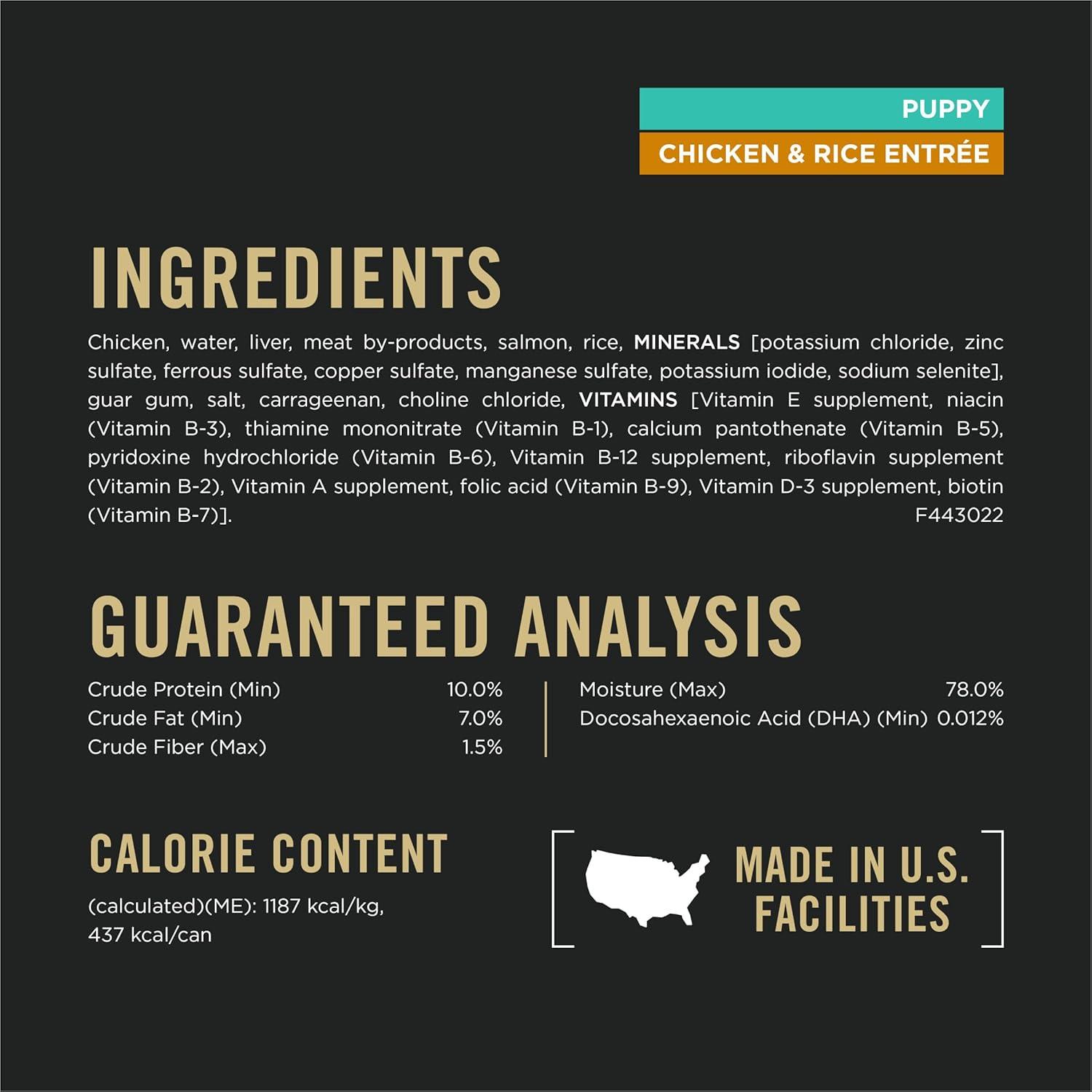
Our Top Product Recommendations

Feeding Tips for Large Breed Puppies
Providing the right portion size and feeding schedule can greatly influence your puppy’s health and growth rate. It’s best to follow feeding guidelines on the dog food package as a starting point, but remember to adjust amounts based on your puppy’s activity level, breed growth patterns, and body condition.
Large breed puppies frequently enough do well with multiple smaller meals per day rather than one or two large meals. This helps with digestion and prevents overeating, which can contribute to rapid weight gain. Typically, feeding 3 to 4 meals daily until about six months of age, then gradually transitioning to two meals per day, works well.
Make sure to provide constant access to fresh water and monitor your puppy’s weight regularly. Maintaining a lean body condition is importent as extra fat places unnecessary stress on growing joints.Consult your veterinarian to tailor a feeding regimen appropriate for your puppy’s specific breed and developmental needs.
frequently Asked Questions
What makes puppy food for large breeds different from regular puppy food?
Puppy food for large breeds contains controlled levels of calcium and calories to prevent rapid growth, includes joint-supporting nutrients like glucosamine, and focuses on balanced protein and fat ratios designed to meet the unique needs of large breed puppies. This helps mitigate risks of skeletal issues and supports healthy development.
Can I feed my large breed puppy adult dog food?
It’s not advisable to feed a large breed puppy adult dog food during their critical growth phase. Puppy formulas have higher protein, fat, and calorie content designed to meet the rapid energy needs and development requirements. Feeding adult dog food too early may result in nutrient deficiencies or improper growth.
How long should I feed my dog large breed puppy food?
Most large breed puppies should stay on a specialized puppy food until they reach about 12 to 18 months of age,depending on the breed. Giant breeds may require puppy formulas for a longer period due to their prolonged growth phases. Always follow your veterinarian’s recommendations based on your puppy’s growth rate and health status.
Conclusion
Feeding the best puppy food for large breeds is an essential investment in your dog’s future health and well-being. Proper nutrition tailored to large breed puppies supports steady growth, strong bones, healthy joints, and overall vitality. By selecting high-quality, well-balanced food and monitoring your puppy’s development, you set the stage for a happy and robust adult dog.
remember that nutrition is just one part of comprehensive care, which includes regular veterinary checkups, exercise, and mental stimulation. Armed with the right knowledge and products, you can confidently nurture your large breed puppy into a thriving and joyful companion for years to come.