Introduction
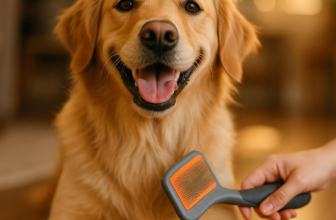
Long-haired dogs are undeniably beautiful, with flowing coats that add charm adn character to their appearance. However, maintaining a healthy, tangle-free coat requires regular grooming and the right tools. Without proper care, their luxurious fur can quickly become matted, uncomfortable, or even lead to skin issues. For every long-haired dog owner, understanding which grooming tools work best is essential to keep their furry friend looking and feeling great.
In this detailed guide,we will explore the top grooming tools specially designed for long-haired dogs. From combs to brushes and dematting tools, these essentials will help you effectively manage shedding, prevent tangles, and maintain a clean, shiny coat. whether you’re a seasoned dog owner or new to caring for long hair,this blog post will provide helpful tips and recommendations to simplify your grooming routine.
essential Grooming Tools for Long-Haired Dogs
Long-haired dogs require specific grooming tools that cater to the unique challenges their coats present.One of the moast important tools is the slicker brush. These brushes feature fine wire bristles designed to remove loose hair, dirt, and debris from the undercoat without damaging the topcoat. Slicker brushes are excellent for daily grooming as they keep tangles from forming and promote healthy circulation in your dog’s skin.
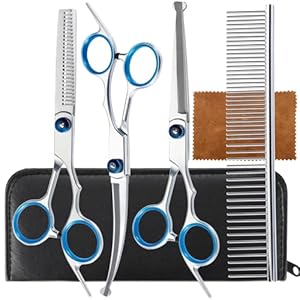
Another must-have is a metal comb with wide and narrow teeth.This versatile tool helps in identifying mats and tangles and gently detangles stubborn knots. Using a comb after brushing ensures that you’ve reached all layers of the coat, helping prevent painful mat formations. It is indeed especially effective in sensitive areas like behind the ears, under the legs, and around the collar.
For dogs prone to heavy shedding, an undercoat rake is indispensable. This tool penetrates deep into the undercoat and removes loose, dead hair without pulling on the top layer. Using an undercoat rake regularly can significantly reduce shedding around the house and keep your dog more comfortable during seasonal changes.
Specialized Tools to Manage Tangles and Mats
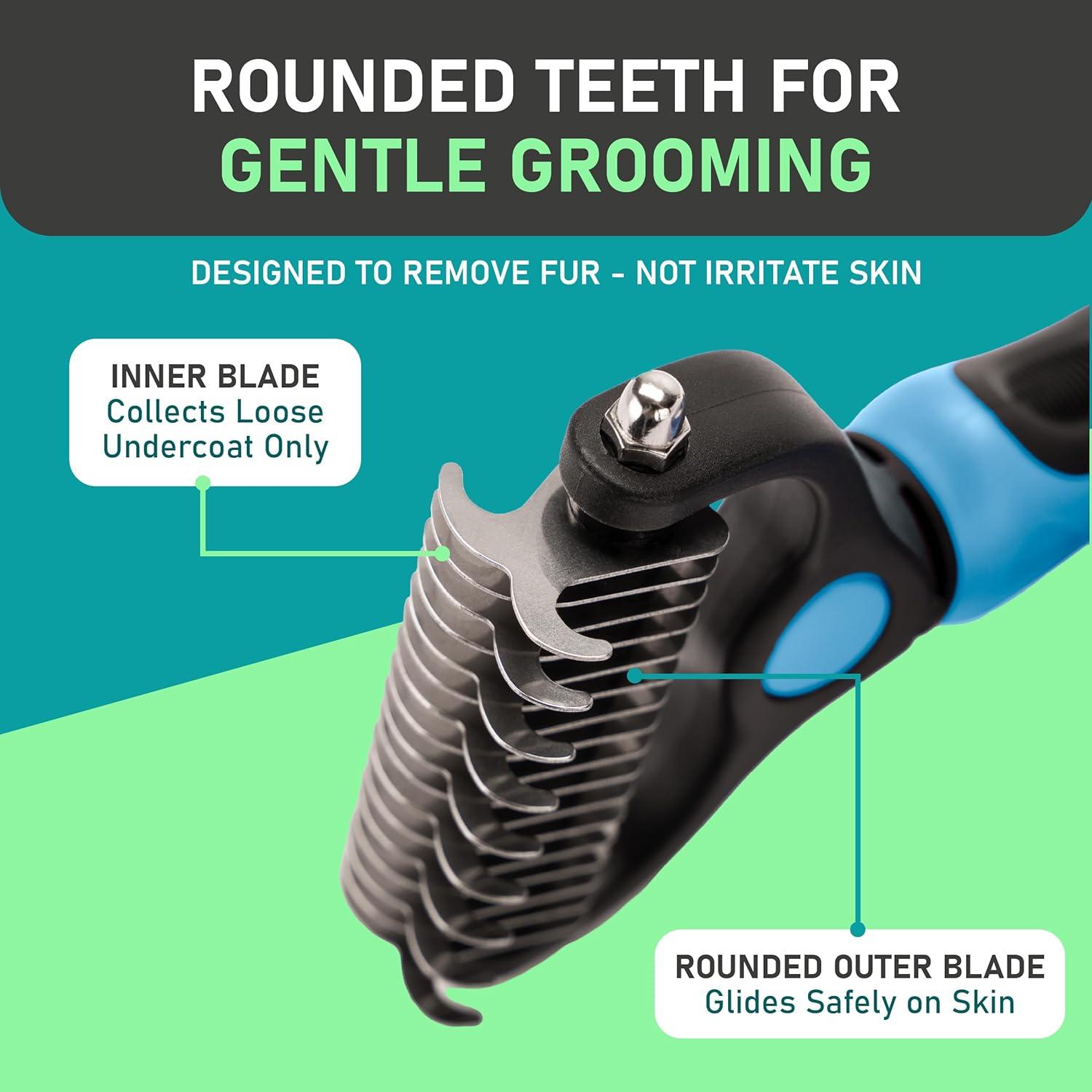
Mats and tangles can cause critically important discomfort and even skin infections for long-haired dogs, so addressing them early is crucial. Dematting tools, such as dematting combs or rakes, are specifically designed to gently break apart stubborn knots without hurting your dog. These tools come with carefully spaced blades or teeth that cut through mats safely when used with slow, gentle strokes.
Another helpful tool is a pair of grooming scissors designed for pets. They usually feature rounded tips to prevent accidental cuts and are perfect for carefully trimming out extreme mats that cannot be brushed out. Always take extreme care when using scissors, and if a mat is very large or close to the skin, consider seeking professional grooming help.
For routine maintenance, a detangling spray or conditioning mist can be used before brushing. These sprays help loosen knots, making the grooming process easier and more comfortable for your dog. These products can also add shine and reduce static, leaving your dog’s coat smooth and manageable.
Our top product Recommendations

How to Maintain Your Dog’s Coat Between Grooming Sessions
Consistency is key when it comes to keeping your dog’s coat healthy and tangle-free. Regular brushing sessions,ideally daily or every other day,prevent the coat from becoming matted and minimize shedding around your home. Besides brushing, it’s important to bathe your dog with gentle shampoos designed for pets, which help maintain coat cleanliness without stripping essential oils.
After bathing, always ensure to thoroughly dry your dog’s coat, as damp fur can quickly develop tangles and become a breeding ground for bacteria. Using a blow dryer on a low, warm setting combined with brushing helps keep the coat fluffy and smooth. Additionally, paying attention to your dog’s diet by providing balanced nutrition contributes significantly to a shiny and healthy coat.
Lastly, regular visits to professional groomers are highly recommended, especially for breeds with very dense or very long coats. Groomers can perform thorough trims, deep cleaning, and professional detangling that might be tough to achieve at home.
Frequently Asked Questions
How often should I groom my long-haired dog?
Long-haired dogs ideally should be brushed daily or at least every other day to prevent mats and tangles. Bathing should be done every 4 to 6 weeks or as needed, depending on your dog’s lifestyle and coat condition.
Can I use human brushes or combs on my dog’s coat?
It’s best to use grooming tools specifically designed for dogs. Their fur has different texture and density compared to human hair,and using human tools can cause discomfort or damage the coat.
What should I do if my dog has severe mats?
If the mats are very tight or close to the skin, it’s safer to consult a professional groomer. Attempting to remove severe mats without expertise can cause pain or injury to your dog.
Conclusion
Caring for a long-haired dog’s coat requires the right grooming tools, patience, and consistent care. By investing in quality brushes, combs, and dematting tools, you can help keep your dog’s coat healthy, shiny, and free from painful tangles. Remember, regular grooming not only enhances your dog’s appearance but also strengthens the bond between you and your beloved pet.
start with the tools and techniques outlined in this blog, and soon grooming your long-haired companion will become a rewarding and enjoyable routine that benefits both of you.