Introduction
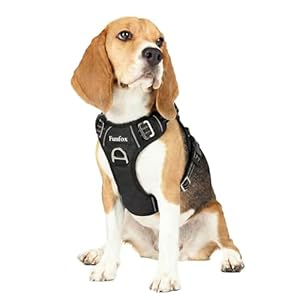
Training your dog to come when called is one of the most vital commands for every pet owner to master. A reliable recall ensures your dog’s safety, reduces stress during outdoor activities, and strengthens the bond between you and your furry freind. Whether you have a playful puppy or an adult dog, teaching this essential skill sets the stage for a lifetime of positive interactions and responsible pet ownership.
In this thorough guide, we’ll walk you through effective techniques to train your dog to come when called consistently. From understanding your dog’s motivation to using positive reinforcement and practicing recall in various environments, you’ll learn everything you need to know for a trustworthy recall every time.
Understanding the Basics of Recall Training
Recall training begins with understanding why some dogs may hesitate or ignore calls. Dogs are naturally curious and can get easily distracted by sights, smells, or other animals outdoors. To encourage a reliable return, the command “come” must be associated with positive experiences and rewards.
Start recall training in a quiet, distraction-free environment where your dog feels safe. Using a happy, keen tone, call your dog by name followed by the command: “Come!” Immediate praise and a tasty treat reinforce the behavior you wont to see. Consistency is critical-rewards every time your dog comes to you will help build a strong, positive association.
Step-by-Step Guide to Training Your Dog to Come When Called
Begin training in short sessions, ideally multiple times a day. Here’s a simple process to get started:
- Get your dog’s attention: Use their name and an excited tone to make your recall more appealing.
- Use clear commands: Stick to one command word like “come” to avoid confusion.
- Reward generously: Promptly reward with treats, toys, or affection when your dog comes to you.
- Practice in controlled settings: Use a long leash or enclosed area to gradually add more distractions.
- gradually increase distance: Slowly increase the space between you and your dog while practicing recall.
training shoudl always end on a positive note to keep your dog excited about future sessions. If your dog fails to come, never punish them; instead, shorten the distance next time or remove distractions.
Our Top Product Recommendations

Advanced Tips for Reliable Recall in Real-World Situations
Once your dog has mastered recall in a controlled environment, the next step is to practice in more challenging settings with varying distractions. This might include parks, around other dogs, or near busy streets. Using a long leash or training lead is recommended at this stage to maintain control while allowing your dog some freedom.
Be patient and adjust your training pace based on your dog’s confidence and focus. Always reward successful recalls, and consider using high-value treats or favourite toys as motivation. Remember that distractions can be overwhelming, so frequent, short recall exercises in realistic environments are key to building reliability.
A common mistake is to call your dog only when you want them to come indoors or when ending playtime. To build trust, randomly call your dog even during fun activities and reward good responses. This creates a positive association with the recall command and encourages your dog to respond promptly every time.
Frequently Asked Questions
How long does it take to train my dog to come when called?
The time it takes varies depending on your dog’s age, breed, temperament, and previous training experience. Puppies may learn recall within a few weeks of consistent, daily practice. Older dogs or dogs with distractions may need longer. Patience, positive reinforcement, and short, frequent training sessions are essential for success.
What if my dog doesn’t come when called in distracting environments?
Distracting environments are challenging for dogs learning recall. Use a long leash to maintain control and gradually increase distractions while practicing. Always reward successful recalls generously. If your dog ignores your call, do not punish them; instead, reduce distractions and practice in easier settings before progressing again.
Can I use a whistle or other sounds instead of the word “come”?
Yes, some trainers use whistles or unique sounds for recall, especially if a dog has trouble hearing voice commands in noisy areas. If you choose this method,remain consistent and pair the sound with positive reinforcement. Though, voice commands are usually easier for pet owners to use consistently.
Conclusion
Training your dog to come when called is one of the most valuable skills you can teach for their safety and your peace of mind.By starting with basic recall principles, using positive reinforcement, and gradually increasing distractions, you can build a reliable recall that works in any situation.remember to keep training sessions fun, short, and rewarding to maintain your dog’s enthusiasm and trust.
With patience and consistency, your dog will learn to come joyfully whenever called, making walks, playtime, and everyday life more enjoyable for both of you. start training today and enjoy the lifelong benefits of a trustworthy recall!