
Introduction
Teaching your dog to speak and be quiet on command is not onyl a fun trick but also an essential skill that helps improve dialogue and control. Whether your dog tends to bark excessively or you wont to encourage them to vocalize in appropriate situations,mastering these commands fosters a better relationship between you and your furry friend.
In this guide,we will walk you through effective,positive training techniques to help your dog learn to bark (“speak”) on command and to quiet down when asked. With patience and consistency, you can transform your dog’s barking habits and enjoy a more peaceful home environment.
Getting Started: How to Teach Your Dog to Speak
Teaching your dog to “speak” is a great way to harness their natural barking behavior and turn it into a reliable response. Start by understanding what motivates your dog-is it a toy, treat, or your eager praise? Use this motivator as a reward for making noise.
Begin the training session in a quiet environment to minimize distractions. Capture your dog’s natural bark by encouraging them to bark, such as by knocking on a door or ringing a bell. When your dog barks, immediately reward them with praise and a treat while saying the command “speak.” Repeat this consistently to help your dog associate the action with the command and reward.
Be patient. Some dogs may learn quickly, while others take more time to understand. Keep training sessions short and positive-about 5 to 10 minutes each day-and never punish your dog for barking during this phase.
Teaching the Quiet Command to Control Barking
Once your dog has grasped the “speak” command, the next step is teaching “quiet” so they learn when to stop barking. Begin by giving the “speak” command and letting the dog bark a few times. Then, hold a treat near their nose and say “quiet” in a calm, firm voice.
Most dogs will stop barking to sniff the treat. When your dog pauses or stops barking, immediately reward them with the treat and praise to reinforce the behavior. If your dog continues to bark, don’t give the treat or attention-wait for the quiet moment and then reward.
Consistency is key here. Practice the “quiet” command frequently enough, reinforcing the idea that barking stops when you say quiet and that calm behavior equals rewards. This command is invaluable for reducing excessive or nuisance barking in everyday situations.
Our Top Product Recommendations
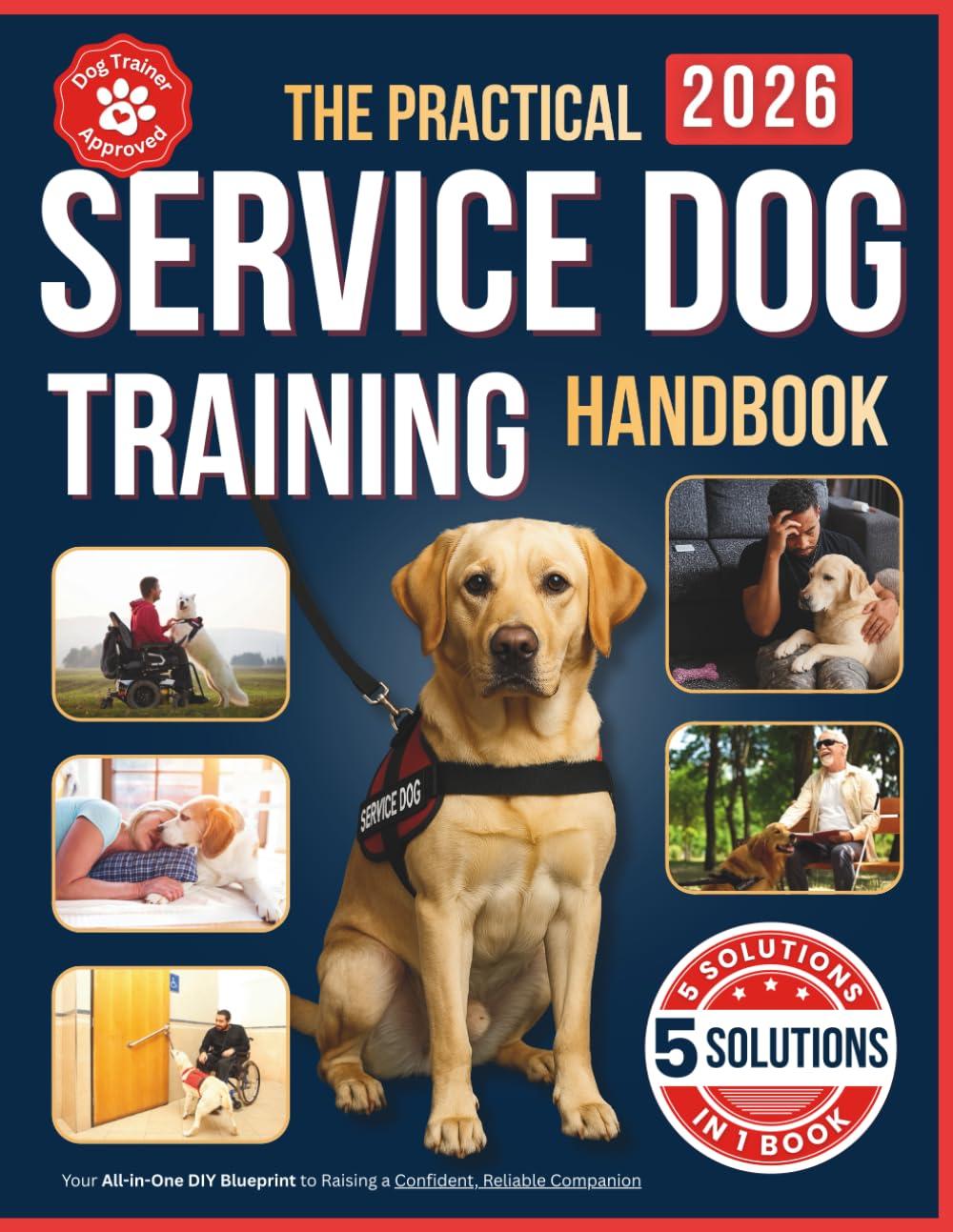


tips for Triumphant Training and Common Challenges
To ensure success, always use positive reinforcement-this means high-value treats, enthusiastic praise, or playtime rewards whenever your dog responds correctly.Never scold or punish your dog for barking, as this can cause confusion and anxiety, making training more arduous.
Keep training sessions short and fun to hold your dog’s attention and maintain motivation. If your dog struggles to bark on command, try changing the stimulus or use a hand gesture alongside the verbal cue to reinforce the behavior.
be patient and consistent.Every dog learns at their own pace, and you may need multiple short sessions spread over days or weeks.Celebrate small successes and stay calm-your positive attitude encourages your dog to learn faster.
Frequently Asked Questions
How long does it typically take to teach a dog to speak and quiet?
Most dogs can learn the basics of “speak” and “quiet” within a few weeks with regular, consistent training sessions. However, the timeline varies based on breed, age, and individual temperament. Some dogs may pick it up quickly,while others require more practice.
What if my dog barks too much when learning the speak command?
Excessive barking can be managed by keeping training sessions focused and ending on a positive note. Use the “quiet” command to balance the training and reward calm behavior. Avoid reinforcing barking outside of training by not giving attention to unwanted barking.
Can I teach these commands to puppies and also adult dogs?
Absolutely! Puppies are often very receptive to training and can learn simple commands early on. Just keep sessions very short and use gentle encouragement to avoid overwhelming young dogs. Adult dogs can also learn effectively with patience and consistency.
Conclusion
Teaching your dog to speak and quiet on command is a rewarding experience that builds a strong communication bond between you and your pet.By using positive reinforcement and consistent training techniques, you can transform your dog’s barking from a nuisance into a useful and controlled behavior.
Remember, the key to success is patience, practice, and plenty of encouragement. Soon, you’ll enjoy a well-mannered dog that responds reliably to your commands, making everyday life more enjoyable for everyone involved.