
Introduction
When your furry friend experiences an upset stomach,it can be distressing for both you and your pet. Digestive troubles in dogs can lead to symptoms such as vomiting, diarrhea, gas, and lethargy. Fortunately, adjusting your dog’s diet to include foods specifically formulated to soothe an upset stomach can make a critically important difference in their recovery and comfort.
In this comprehensive guide, we’ll explore the best dog food options to help calm your dog’s digestive system naturally. Whether your dog has a minor tummy ache or ongoing digestive sensitivity, understanding the right foods and ingredients can restore their health and happiness quickly.
Understanding Digestive Issues in Dogs and Their Causes
Dogs can suffer from upset stomachs for many reasons, including dietary indiscretion (eating something inappropriate), food intolerance, infections, or underlying health conditions. Identifying the root cause of digestive upset is essential to choosing the best food to support recovery and prevent future flare-ups.
Common symptoms include diarrhea, vomiting, constipation, and signs of abdominal discomfort such as bloating or excessive licking of the lips. While some cases may resolve on their own, persistent digestive issues require dietary adjustments and sometimes veterinary intervention to ensure your dog’s wellbeing.
Providing a diet that is gentle on the stomach,rich in easily digestible ingredients,and supplemented with probiotics can help restore a balanced gut flora and speed up recovery time.
Key Ingredients to Look for in Dog Food for Upset stomachs
Choosing the right dog food is crucial for managing an upset stomach. Foods designed for sensitive digestion typically contain specific components that help soothe and repair the gut lining. Here are some key ingredients to keep in mind:
- Highly Digestible Proteins: Ingredients such as boiled chicken, turkey, or fish are easier to digest and less likely to irritate your dog’s stomach.
- Fiber: Soluble fiber from sources like pumpkin or sweet potatoes can regulate bowel movements and improve stool consistency.
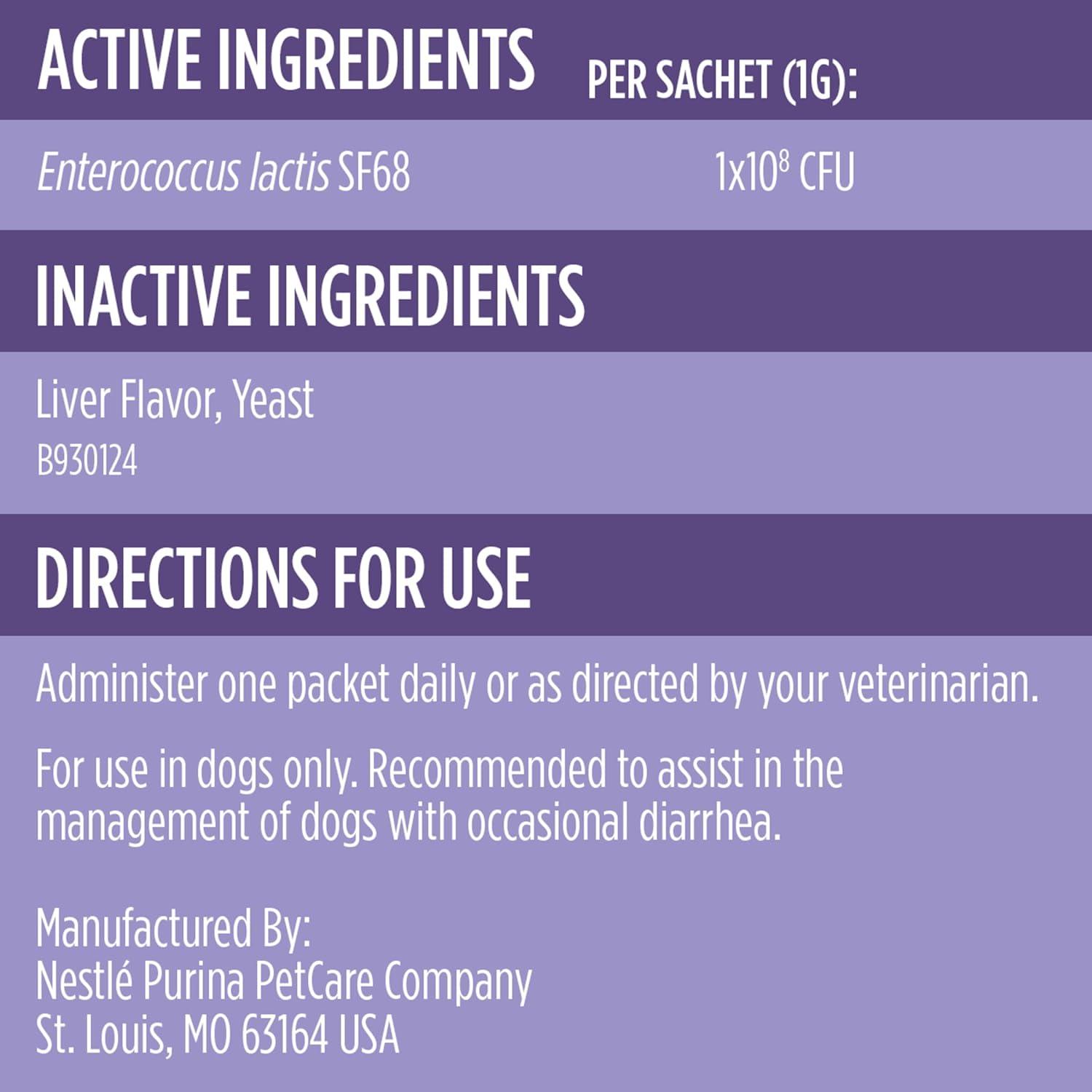
- Probiotics and Prebiotics: These support beneficial gut bacteria, enhancing digestion and immune function.
- Limited Ingredients: Formulas with minimal components reduce the risk of triggering food sensitivities or allergies.
- Low Fat Content: Fatty foods can worsen diarrhea, so low-fat options are recommended for upset digestion.
By focusing on these elements, you can nourish your dog with food that supports healing and soothes discomfort naturally, minimizing the risk of further digestive upset.
Our Top Product Recommendations
Tips for Transitioning Your Dog to Sensitive Stomach Food
Switching your dog’s diet too quickly can sometimes worsen an upset stomach. To help your pet adjust comfortably, it’s important to introduce new food gradually over a period of 7-10 days. Start by mixing a small amount of the new food with your dog’s current food, then slowly increase the proportion of the new formula while decreasing the old.
Along with gradual feeding change, keep an eye on your dog’s hydration and monitor stool quality daily. If symptoms persist or worsen, consult your veterinarian to explore other potential causes or treatments. Avoid feeding table scraps or treats during this time, as they can exacerbate digestive issues and hinder recovery.
Consistency and patience are key during this transition phase. By maintaining a controlled, gentle diet, your dog’s digestive tract can heal more efficiently.
Frequently Asked Questions
What causes an upset stomach in dogs?
Upset stomachs in dogs can be caused by eating spoiled food, sudden diet changes, food allergies, infections, parasites, or underlying medical conditions like pancreatitis or inflammatory bowel disease. Environmental stress and ingestion of toxic substances can also trigger digestive upset.
How long does it take for a dog’s stomach to settle after dietary changes?
Typically, it takes about 3 to 5 days for a dog’s stomach to settle after switching to a bland or sensitive-stomach diet. A full transition to a new diet should be done gradually over 7-10 days to minimize digestive disturbance and allow the gut to adjust.
Can I give my dog human food to soothe an upset stomach?
Some human foods like plain boiled chicken and white rice can help soothe your dog’s stomach temporarily, but long-term feeding should be avoided as human foods often lack balanced nutrition for dogs. Always consult your vet before giving human food and avoid toxic ingredients such as onions, garlic, and grapes.
Conclusion
Helping your dog recover from an upset stomach naturally is achievable through the right nutrition and care. Selecting dog foods that emphasize digestibility, gentle ingredients, and added probiotics can provide much-needed relief and support gut health. Remember to transition foods gradually and monitor your dog’s symptoms closely to ensure a smooth recovery.
With the tips and product recommendations shared in this guide, you can confidently nurture your pet back to health, ensuring they enjoy happier, healthier days ahead with a calm and agreeable digestive system.