Introduction
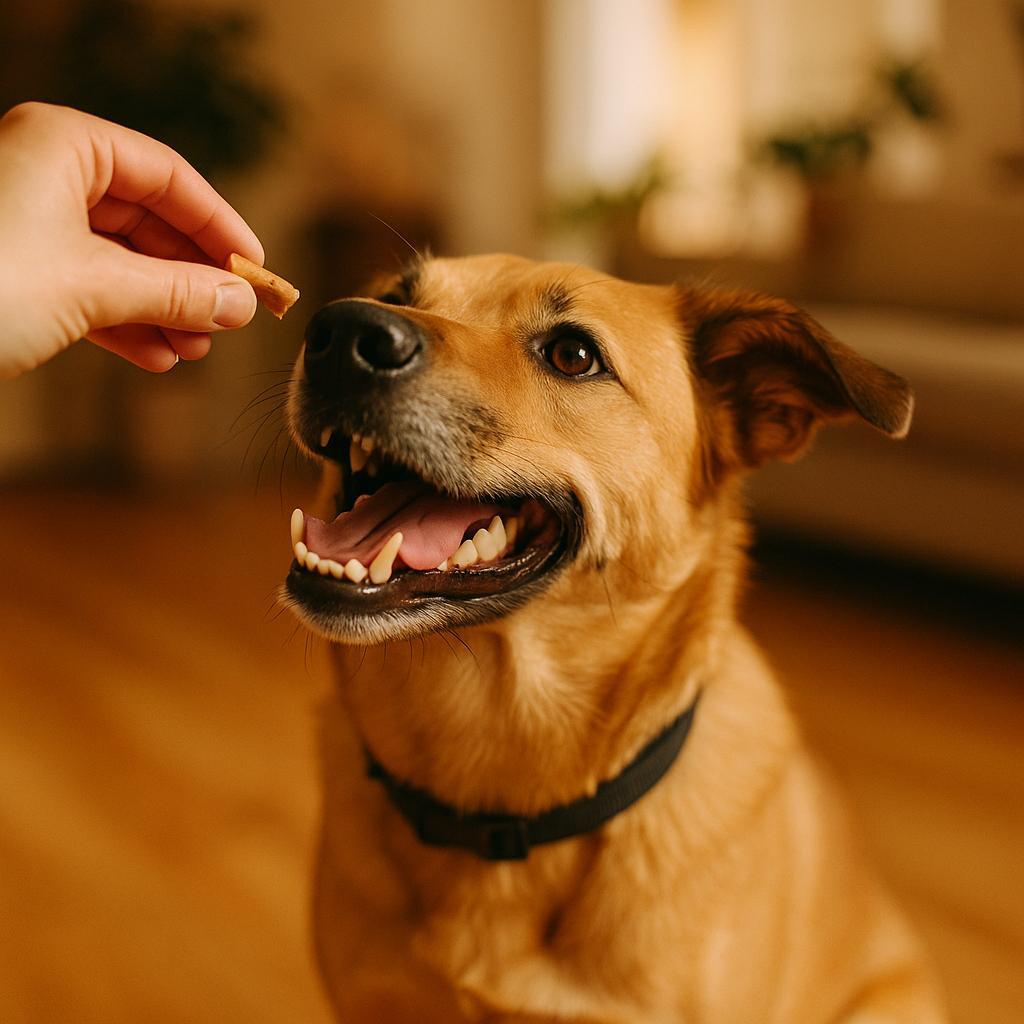
Training your dog effectively with treats is one of teh most rewarding experiences for any dog owner. Treats serve as powerful motivators that encourage your furry friend to learn new commands, improve behaviors, and strengthen your bond. When used correctly, treats can accelerate the training process and make it more enjoyable for both you and your dog.
This complete guide will walk you through proven strategies and best practices for training your dog with treats effectively. Whether you’re teaching basic obedience or advanced tricks, you’ll learn how to get faster results with positive reinforcement methods tailored to your dog’s unique personality and needs.
Understanding the Basics of Treat-Based Dog Training
Before you dive into treat-based training, it’s important to grasp the fundamental principles of how dogs learn. Dogs primarily learn through repetition and positive reinforcement. Treats act as a reward that reinforces good behavior, making your dog more likely to repeat those actions in the future. Consistency is key-offering a treat promptly after the desired behavior helps your dog connect the action with the reward.
Choosing the right type of treats is another critical element.High-value treats that your dog loves but doesn’t get regularly are ideal, as they increase motivation. small, soft treats work best as they can be eaten quickly, minimizing distractions. Additionally, breaks between training sessions allow your dog to absorb new skills without feeling overwhelmed or bored.
Step-by-Step Guide to Training Your Dog with treats
Start by selecting one simple command such as “sit” or “come.” Hold a treat close to your dog’s nose to grab their attention, then slowly move the treat up and back over their head. Most dogs will naturally sit as they follow the treat.The moment their bottom hits the floor, say “sit” clearly and immediately reward them with the treat and verbal praise.
Practice this process several times in short sessions, gradually reducing your use of the treat as your dog starts responding reliably. Eventually, you can replace treats with other rewards like petting or playtime. Patience is essential during this phase-repetition and positive reinforcement help solidify the behavior and reinforce the bond you share with your dog.
Remember to keep training sessions fun and engaging to prevent frustration, and always end on a positive note. This approach helps your dog stay motivated and eager to learn new commands with treats as an effective tool.
Our Top Product Recommendations


Tips for Maintaining Consistency and Motivation
Consistency is essential in any training approach,especially when using treats. make sure all family members use the same commands and reward system to avoid confusing your dog. Establishing a routine, such as training simultaneously occurring and place, helps your dog no what to expect and builds a habit faster.
It’s also critically important to keep your dog motivated by using a variety of treats and positive interactions. Mixing up the rewards can prevent your dog from losing interest. Incorporating praise, playtime, or petting alongside treats enhances the training experience and strengthens your relationship.
be patient and adaptable to your dog’s learning pace. Some dogs may pick up commands quickly, while others require more repetition and encouragement.Celebrate small victories and adjust your method as needed to maintain a positive and rewarding training environment.
Frequently Asked Questions
What type of treats work best for dog training?
The best treats for dog training are small, soft, and highly palatable. Avoid large or hard treats as they can distract your dog,slow down training,and even cause choking hazards. High-value treats such as small pieces of cheese, cooked chicken, or specially formulated training treats frequently enough work best as your dog finds them irresistible.
How often should I give treats during training?
When starting training, give a treat every time your dog successfully completes the desired behavior to build a strong association. As your dog becomes more proficient, gradually reduce the frequency of treats and replace them with praise or play. This fading process helps maintain obedience without dependency on treats.
Can treats be used to stop bad behavior?
Treats are mainly effective for encouraging good behavior rather than stopping bad behavior. To discourage unwanted actions,it’s better to redirect your dog to positive behaviors that you reinforce with treats. Consistent training,patience,and positive reinforcement are the keys to modifying behavior successfully.
Conclusion
Training your dog with treats effectively can transform the learning process into a fun, rewarding experience that strengthens your bond. by understanding the basics of positive reinforcement,choosing the right treats,and maintaining consistency,you can achieve faster and more reliable training results. Remember to keep sessions short, engaging, and tailored to your dog’s unique needs to maximize success.
With patience, practice, and the right approach, treat-based training not only teaches your dog new skills but also builds trust and lifelong companionship.Start today and enjoy watching your dog grow into a well-behaved, happy member of your family.