Introduction
Trimming your dog’s nails at home is an essential part of maintaining their overall health and comfort. Regular nail care prevents painful overgrowth, reduces the risk of injury, and helps keep your dog’s paws strong and healthy. While it may seem intimidating at first, with the right tools and techniques, it’s a simple and stress-free process that any dog owner can master.
This step-by-step guide will walk you through everything you need to know to safely trim your dog’s nails at home. Whether you’re a first-time groomer or looking to improve your technique, this blog post will provide you with friendly, helpful instructions to ensure your furry friend’s nail care routine is smooth and effective.
Preparing to Trim Dog Nails safely at Home
Before diving into the actual nail trimming, readiness is key to a prosperous and safe experience. Having the right tools on hand, such as sharp clippers intended for pet nails, a nail grinder, and styptic powder for emergencies, can make a notable difference. Choosing a quiet,pleasant space where your dog feels calm will help reduce anxiety for both of you.
Assess your dog’s nails and paws carefully to ensure they are clean and free of debris. If your dog is new to nail trims, take time to gently handle their paws daily, rewarding them with treats to create a positive association. This preparation not only makes the trimming process easier but also strengthens your bond and trust with your pet.
Step-by-Step Guide to Trimming Dog nails
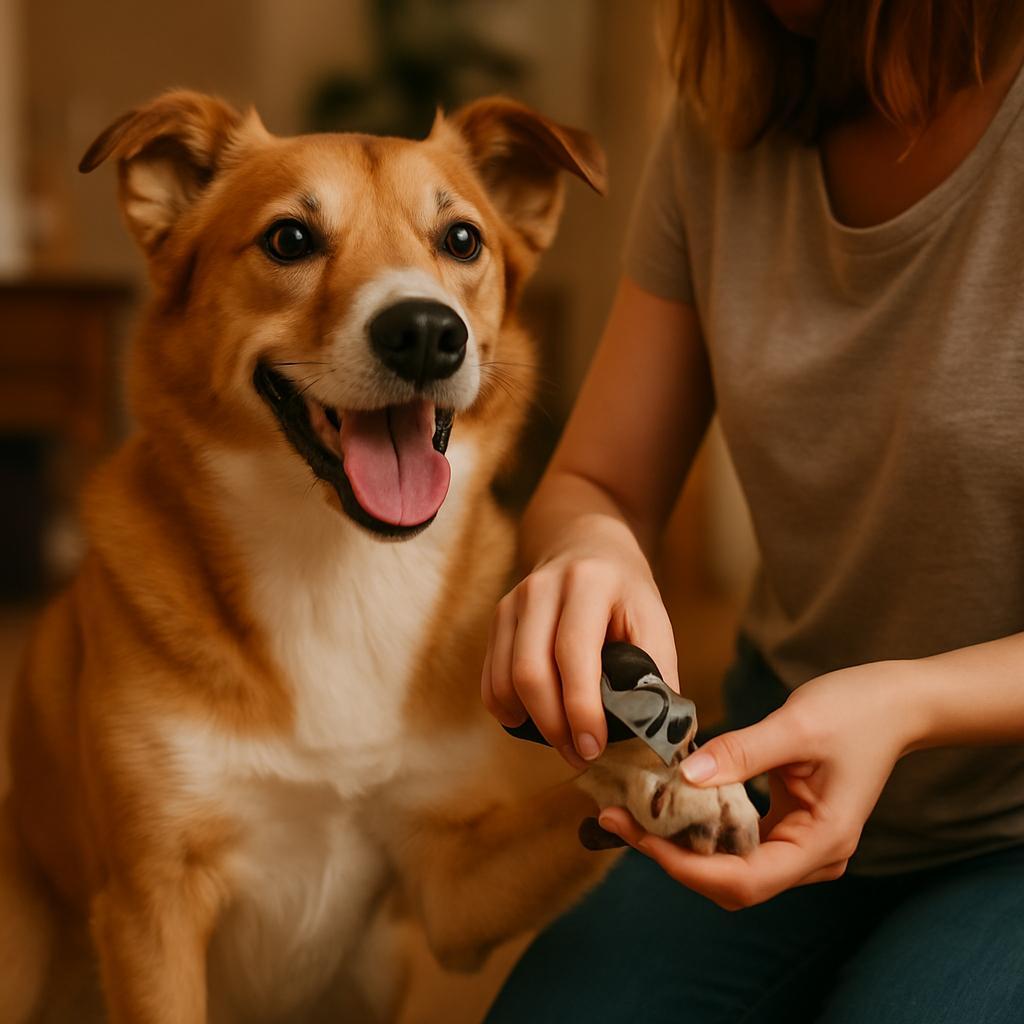
Start by positioning your dog comfortably, either sitting beside you or resting on a secure surface like a grooming table or non-slip mat. Hold one paw gently but firmly, exposing the nail clearly.If your dog has light-colored nails, look closely to identify the quick-the pink area inside the nail which contains blood vessels and nerves. Avoid cutting into this sensitive part to prevent pain and bleeding.
Using appropriate dog nail clippers,trim only the tip of each nail,cutting in small increments if necessary. If your dog has dark nails, trim a little at a time and watch the nail’s cross-section carefully to avoid the quick. Smooth any rough edges with a nail file or grinder if available. Throughout the process, speak soothingly and reward your dog with treats and praise to keep the experience positive.
Our Top Product Recommendations



Common Mistakes to Avoid When Trimming Dog Nails
One of the most common mistakes is cutting the nails too short,which can cause bleeding and discomfort by cutting into the quick. It’s vital to trim small amounts gradually, especially if your dog has dark nails where the quick is not visible.Another frequent error is rushing the process or trying to trim all nails in one sitting if your dog is anxious or restless-this can increase stress for both you and your pet.
Avoid using human nail clippers or dull tools, as they can crack or crush your dog’s nails and lead to painful splits or infections. Additionally, never ignore signs of discomfort or resistance; instead, pause and try to make future sessions more positive through training and treats. Patience and a calm atmosphere are vital to safe nail trimming at home.
Frequently asked Questions
How frequently enough should I trim my dog’s nails?
Generally, dog nails should be trimmed every 3-4 weeks, but this depends on your dog’s breed, activity level, and nail growth speed. Regularly check your dog’s nails and trim them when you hear clicking sounds on hard floors or when the nails extend past the paw pad.
What should I do if I accidentally cut the quick?
If you accidentally cut into the quick, don’t panic. Use styptic powder or cornstarch to stop the bleeding by gently applying it to the nail tip.Keep your dog calm and give plenty of praise and comfort. If bleeding doesn’t stop or your dog shows signs of pain, consult your veterinarian.
Can I use a nail grinder rather of clippers?
Yes, nail grinders are a great alternative to clippers, especially for dogs nervous about clipping sounds. Grinders file the nails down gradually and reduce the risk of cutting the quick. Though, they require patience as the process can take longer, and desensitization to the grinder’s vibration and noise is critically important for a positive experience.
Conclusion
Trimming your dog’s nails at home is a manageable and rewarding task that promotes your pet’s health and comfort. By preparing properly, following step-by-step techniques, and using the right tools, you can safely trim your dog’s nails while minimizing stress for both you and your furry friend. Remember, patience and positive reinforcement are your best allies in building a smooth nail trimming routine.
With consistent care and attention, nail trims will soon become a simple part of your regular pet grooming, keeping your dog’s paws healthy and happy for years to come.