Introduction
Grooming your dog at home can be a rewarding experience that strengthens the bond between you and your furry friend. It not only keeps your pet looking clean and fresh but also helps in detecting health issues early. For beginners, grooming might seem challenging at first, but with the right approach and tools, it can become a simple and enjoyable routine.
This complete step-by-step guide is designed specifically for dog owners who want to learn how to groom their pets at home. From basic brushing techniques to nail trimming and bathing, we will walk you through each stage with easy-to-follow instructions and helpful tips to ensure a pleasant grooming session every time.
Getting Prepared: Essential Tips for Grooming Dogs at Home
Before you begin grooming your dog at home, preparation is key. Gathering all the necessary tools and setting up a comfortable grooming space will make the process smoother and safer for both you and your pet. Depending on your dog’s breed and coat type, your grooming kit will vary, but some basic essentials include a slicker brush, comb, nail clippers, dog-amiable shampoo, towels, and treats.
Choose a quiet, well-lit area where your dog feels relaxed. Using a non-slip mat on the floor or grooming table can help your dog stay steady. Remember to have plenty of patience and give your dog frequent breaks if needed. Starting grooming sessions at a young age or at the beginning of your ownership will help your dog get accustomed to being handled.
Step-by-Step Guide to Grooming Your Dog at Home
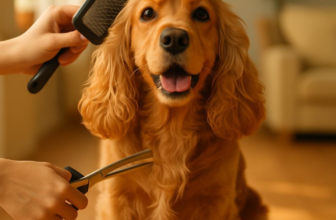
Begin by brushing your dog’s coat thoroughly to remove tangles, mats, and loose fur. Use a slicker brush for medium to long-haired breeds and a bristle brush or grooming glove for short-haired ones. Brushing not only improves circulation but also distributes natural oils evenly throughout the coat, keeping it healthy and shiny.
Next, check your dog’s ears for dirt, wax buildup, or signs of infection like redness and odor. Use a vet-approved ear cleaner and cotton balls to gently clean the ear canal entrance. Avoid inserting anything deep inside the ear to prevent injury.Regular ear checks help prevent common ear infections, especially in floppy-eared breeds.
Bathing your dog should be done every 4 to 6 weeks or as recommended by your veterinarian.Use lukewarm water and a gentle, dog-specific shampoo to avoid irritating their sensitive skin. Thoroughly rinse all shampoo residue and dry your dog with towels or a pet-safe blow dryer on a low setting. Proper drying prevents mold and bacterial growth in the coat.

Our Top Product Recommendations


Trimming Nails, Fur, and Final Touches
Once the bath and brush are done, it’s time to trim your dog’s nails and fur. Use quality nail clippers designed specifically for dogs to avoid splintering or crushing the nails. Only snip the white part of the nail, avoiding the speedy (a sensitive vein inside the nail). If you’re unsure, consult your vet or a professional groomer. Reward your dog with treats to create positive associations with nail trimming.
For fur trimming, select scissors or clippers appropriate for your dog’s coat type. Trim the hair around the paws, ears, and sanitary areas carefully. be patient and gentle to avoid accidental cuts.If your dog has a thick or matted coat, consider seeking professional help for a full haircut.
Lastly, give your dog a final comb-through, wipe their eyes and face with a damp cloth, and check the teeth and gums.Regular teeth brushing, dental treats, and checkups keep your dog’s oral health in excellent condition. Grooming is an entire care package for your dog’s hygiene,appearance,and well-being.
Frequently Asked Questions
how often should I groom my dog at home?
The frequency of grooming depends on your dog’s breed, coat type, and lifestyle. Generally, brushing should be done at least 2-3 times a week, while baths can be given every 4-6 weeks. Nail trimming is typically required every 3-4 weeks. Long-haired breeds may need more frequent grooming and trimming to prevent mats and tangles.
What if my dog hates grooming sessions?
If your dog is resistant to grooming, start gradually by introducing tools and touches slowly while offering treats and praise. Keep sessions short and positive. Creating a comfortable environment and remaining calm helps. For persistent anxiety or fear, consult a professional groomer or a dog behaviorist for assistance.
Can I use human shampoo on my dog?
No, it is not recommended to use human shampoos on dogs as their skin pH is different and more sensitive. Human shampoos can cause irritation, dryness, or allergic reactions. Always use shampoos formulated specifically for dogs to maintain healthy skin and coat.
Conclusion
grooming your dog at home is a marvelous way to care for your pet while saving money and building trust. With patience, the right tools, and a step-by-step approach, even beginners can groom their dogs confidently and safely. Remember, every dog is unique, so tailor your grooming routine to your dog’s specific needs and personality.
By making grooming a regular and positive experience, you contribute considerably to your pet’s comfort, health, and happiness. Happy grooming!