How to Help Your Dog Recover From Surgery: A Complete Guide
Surgery can be a stressful experience for both you and your furry freind, but with the right care and attention, you can greatly enhance your dog’s recovery process.Helping your dog recover from surgery involves understanding their needs, providing proper post-operative care, and closely monitoring their progress. In this comprehensive guide,we’ll walk you thru everything you need to know about how to help your dog recover from surgery effectively and safely. Whether your pet had a minor procedure or a major operation, this article is packed with practical tips, expert advice, and essential facts designed to promote healing and comfort.
Why Proper Post-Surgery Care Is crucial for Dogs
Surgical recovery in dogs is a delicate period that requires keen focus.
Proper care can:
- Prevent infections at the surgical site
- Reduce pain and discomfort
- Speed up the healing process
- Minimize complications and re-injury risks
- Ensure your pet’s emotional well-being
Essential Steps to Help Your Dog Recover After Surgery
1. Follow Your Veterinarian’s Instructions Strictly
Your vet knows best. always adhere to the prescribed medications,wound care protocols,and activity restrictions. If anything is unclear, don’t hesitate to ask your veterinarian.
2. Create a Cozy, Quiet Recovery Space
Choose a calm area free from noise, children, and other pets where your dog can rest undisturbed.
- Provide a soft, clean bed
- Maintain a comfortable room temperature
- Limit access to stairs and slippery floors
3. Monitor the Surgical Incision regularly
Inspect the incision site daily to spot any signs of infection or complications. symptoms to watch for include:
- Redness or swelling
- Discharge or foul odor
- Excessive bleeding
- Increased warmth or hardness around the incision
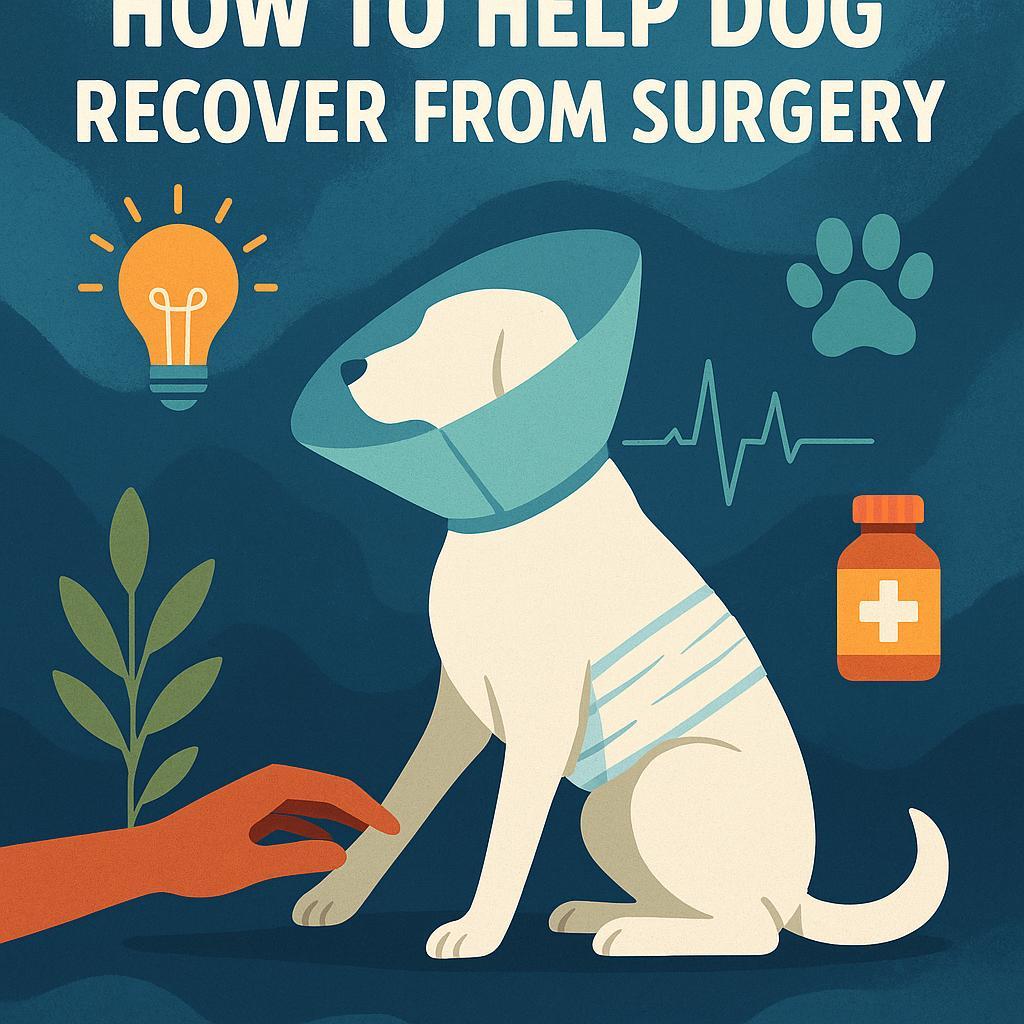
4. Use an Elizabethan collar (E-Collar) or Recovery Suit
Prevent your dog from licking or biting the surgical site, which can cause infections or open wounds. An E-collar or recovery suit is essential in many cases.
5. Manage Pain Effectively
administer pain medications exactly as prescribed. Never give human pain medication without consulting your vet, as many are toxic to dogs.
6. Control Your Dog’s activity
Restrict your pet’s movement to prevent stress on the surgery area.Avoid running, jumping, or rough play until your vet clears your dog for activity.
7. Maintain a Healthy Diet and Hydration
Nutrition plays a vital role in healing.Offer easily digestible, nutritious food and fresh water to keep your dog hydrated and boost recovery.
8. Keep Follow-Up Appointments
Regular vet check-ups ensure your dog’s healing is on track and allow the vet to address any concerns promptly.
Common Post-Surgery Signs to Watch For
Knowing when to call your vet can save your dog from complications. Watch for these symptoms:
| Symptom | Possible Cause | Action to Take |
|---|---|---|
| Lethargy or weakness | Infection, anemia, or pain | Contact your veterinarian promptly |
| Loss of appetite | Post-op nausea or infection | Monitor closely, if persists >24 hours, call vet |
| Repeated vomiting or diarrhea | Medication side effects, infection | Seek vet advice promptly |
| Persistent bleeding from incision | Wound disruption | Seek emergency vet care |
| Difficulty breathing | Anesthesia side effects or complications | Emergency veterinary visit required |
Practical Tips for a smooth Recovery
- Use a Leash for Bathroom Breaks: Prevent running by always taking your dog out on a leash.
- Provide Gentle Massage: Only if approved by your vet, gentle massages can improve circulation and comfort.
- Keep Your Dog Company: being close can reduce anxiety and promote quicker healing.
- keep Other Pets Calm: Avoid interactions that may cause excitement or stress.
The Benefits of Proper Post-Surgery Care
Investing time and effort in proper post-operative care offers lasting benefits:
- Enhanced long-term health and quality of life
- Reduced risk of secondary complications
- Stronger bond between you and your dog due to attentive care
Case Study: Bella’s Journey to Recovery
Bella, a 5-year-old golden retriever, underwent cruciate ligament surgery. Her owner diligently followed the recovery protocol:
- Restricted activity for 8 weeks
- Daily incision checks and cleaning
- Administered pain meds twice daily
- Used an E-collar to prevent licking
As a result,Bella’s incision healed without infection,and she regained full mobility within months. This success highlights the importance of disciplined post-surgical care.
Conclusion
Helping your dog recover from surgery is a journey that demands patience, care, and attention to detail. By following your veterinarian’s instructions,creating a safe recovery surroundings,monitoring your dog’s condition closely,and managing pain and activity levels properly,you can support your dog’s healing and help them get back to their happy,healthy self quickly. Remember, the key to a successful recovery lies in understanding your dog’s needs and responding promptly to any signs of trouble.
For more tips on dog health and care, subscribe to our blog or consult your veterinarian to tailor recovery plans suited to your dog’s specific surgery.