
Introduction
Kidney disease in dogs is a serious health condition that requires diligent care and management. one of the most critically importent factors in supporting your petS health and longevity when dealing with kidney disease is providing the right nutrition. Choosing the best dog food for kidney disease can definitely help slow the progression of the illness, reduce symptoms, and improve your dog’s quality of life.
This guide is designed to help dog owners understand what makes a dog food suitable for kidney disease, what ingredients and nutrient profiles to look for, and to share some top product recommendations that can make a real difference for your furry friend.
Understanding Kidney Disease in Dogs and Dietary Needs
Kidney disease, also known as chronic renal failure, occurs when your dog’s kidneys gradually lose their ability to filter toxins and waste from the bloodstream effectively. This condition requires specific dietary adjustments to reduce stress on the kidneys and maintain overall health.
A key dietary need for dogs with kidney disease is lower protein content.While protein is essential, excess protein can create a strain on damaged kidneys by increasing waste products that the kidneys must filter. Specialized kidney-supportive diets focus on high-quality, limited protein sources to reduce this burden. Additionally, controlling phosphorus and sodium intake is critical because high levels can worsen kidney function and lead to further complications.
Ultimately, the goal is to provide a diet that supports kidney function, maintains muscle mass and energy, and helps reduce symptoms like vomiting, dehydration, and loss of appetite.
Key Ingredients to Look for in Dog Food for Kidney Disease
When selecting the best dog food for kidney disease, understanding ingredient labels and nutritional content is crucial. Here are important components you should consider:
- reduced Protein Levels: Opt for foods with moderate to low protein content derived from high-quality animal sources such as chicken, fish, or egg, which supply essential amino acids without overburdening the kidneys.
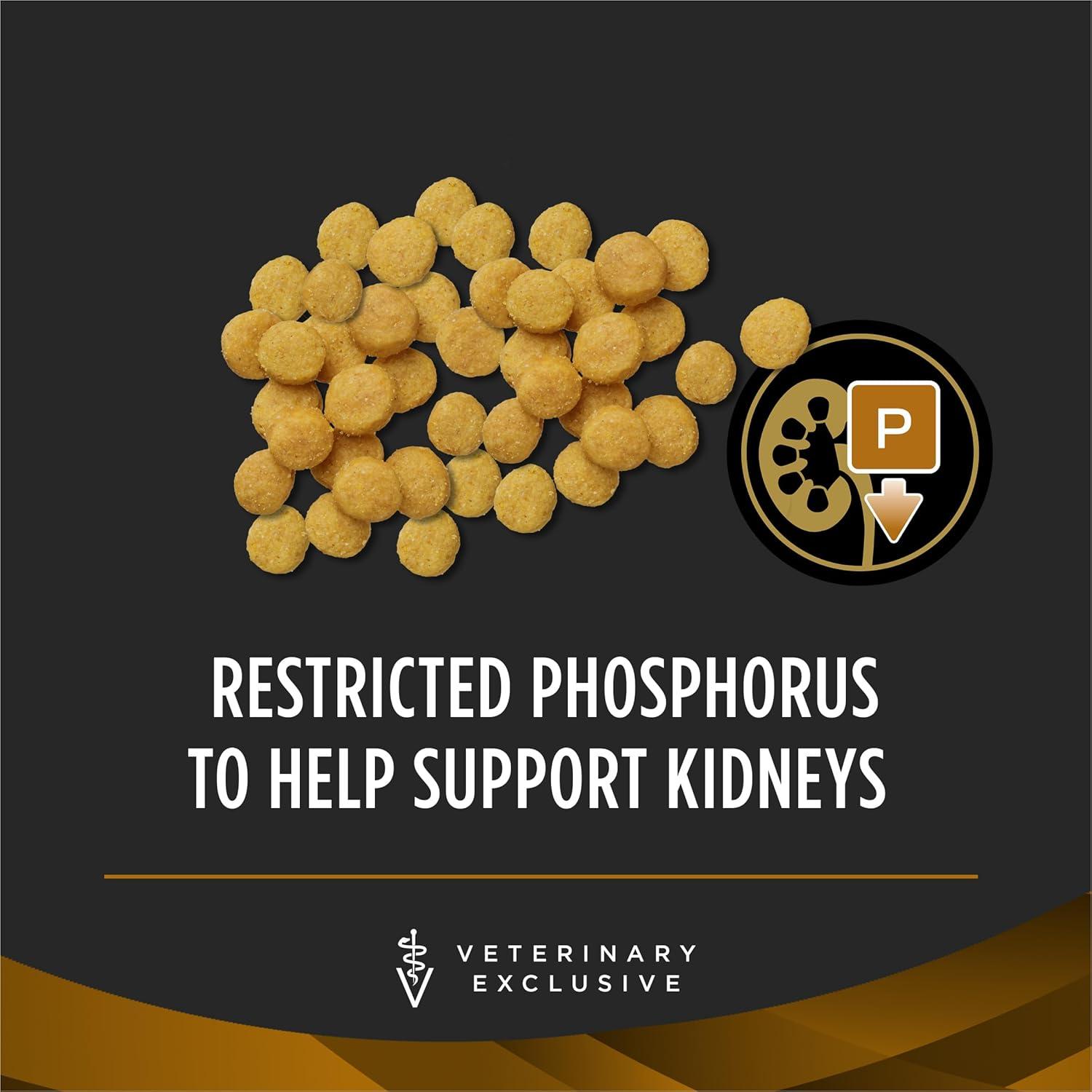
- Controlled Phosphorus: Excess phosphorus leads to kidney mineral imbalances. foods with phosphorus restrictions help slow the progression of renal decline.
- Low Sodium: Controlling salt intake aids in managing blood pressure and prevents fluid retention, which can aggravate kidney disease symptoms.
- Omega-3 Fatty Acids: Fatty acids from fish oil like DHA and EPA have anti-inflammatory properties that help reduce kidney inflammation and support overall kidney health.
- Additional Nutrients: Ingredients rich in antioxidants such as vitamins C and E help minimize cellular damage caused by toxins that build up due to diminished kidney function.
Always consult your veterinarian before making dietary changes, as they can recommend dog foods tailored specifically for your pet’s disease stage and overall health.

Our Top Product Recommendations

Additional Tips for Managing Kidney Disease with Diet
Besides selecting a kidney-supportive diet, there are other dietary practices that help manage your dog’s kidney disease effectively. Encouraging hydration is key since water helps flush out toxins and supports kidney function. Providing fresh, clean water at all times and considering wet dog food options can assist with increased fluid intake.
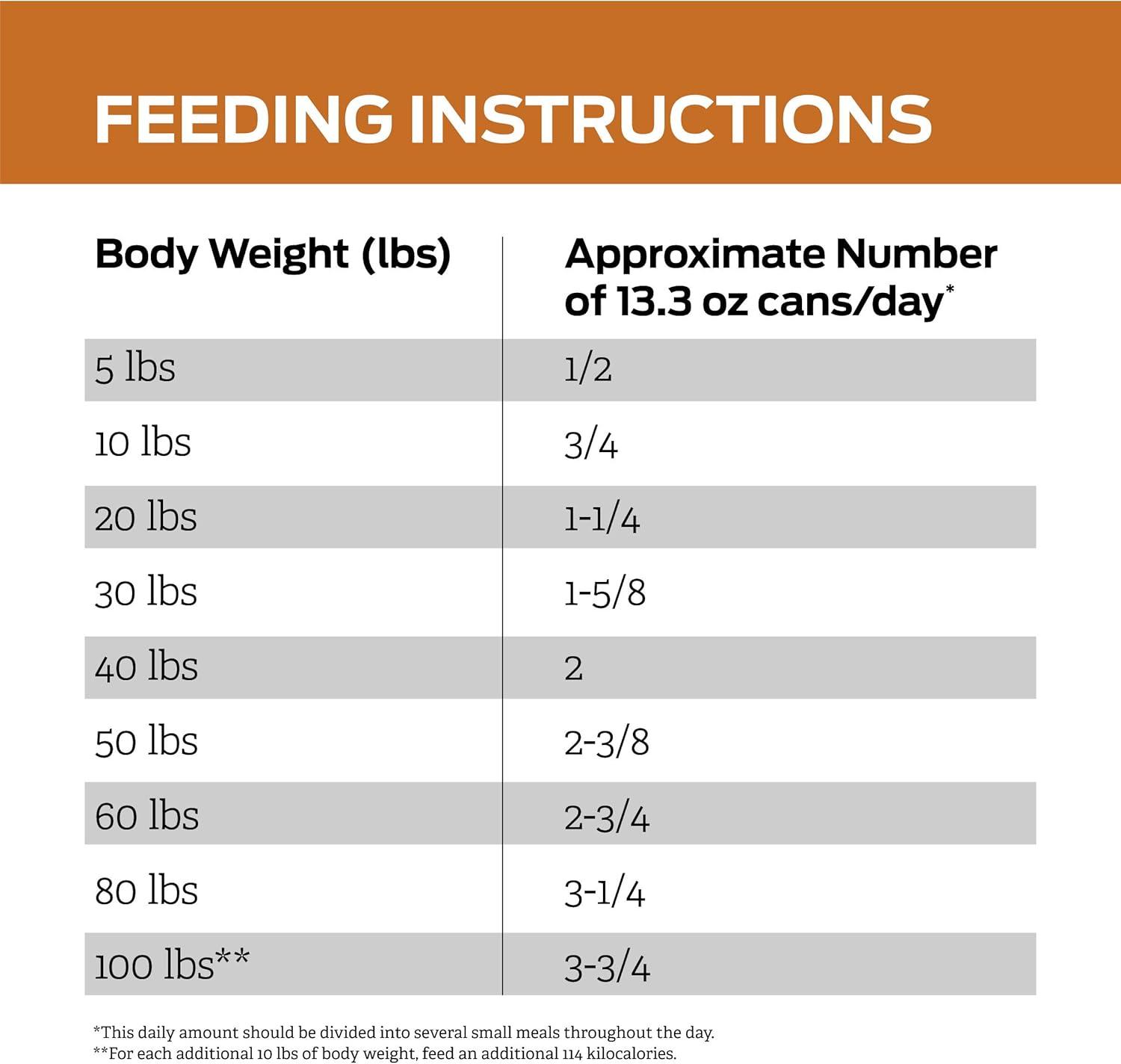
You may also want to feed smaller, more frequent meals throughout the day rather than large meals. This helps improve nutrient absorption and eases digestive strain. Avoid giving your dog any table scraps or treats that are high in phosphorus, salt, or protein outside of their prescribed meal plan.
Monitoring your dog’s weight and appetite closely and consulting your veterinarian regularly will help you catch any nutritional issues or disease progression early for timely intervention.
Frequently Asked Questions
Can I feed my dog homemade food if they have kidney disease?
While homemade diets can be customized, they require careful balancing by a veterinary nutritionist to ensure appropriate protein, phosphorus, and sodium levels. It’s best to work closely with your vet to create a homemade plan that supports kidney health without risking nutritional imbalances.
How long can a dog with kidney disease live on a special diet?
The lifespan of a dog with kidney disease varies depending on factors like disease severity, overall health, and treatment adherence. A kidney-supportive diet can slow disease progression and improve quality of life, sometimes extending survival by months to years compared to an untreated diet.
Are there any treats safe for dogs with kidney disease?
many commercial treats are too high in phosphorus, protein, or sodium for dogs with kidney disease. Look for treats specifically labeled for renal health or offer small amounts of safe fruits and vegetables like blueberries or peeled cucumbers after vet approval.
Conclusion
Supporting your dog’s health with the best dog food for kidney disease is one of the most impactful steps you can take to manage this challenging condition. By choosing diets formulated with reduced protein,controlled phosphorus,and added beneficial nutrients,you provide your furry friend with a better chance to live comfortably and happily.
Remember to work closely with your veterinarian for regular monitoring and dietary guidance tailored to your dog’s specific needs. With the right care and nutrition, you can help your dog face kidney disease with strength and vitality for as long as possible.