
Introduction
Dog anxiety is a common concern that many pet owners face, and it can affect dogs of all breeds and ages. Whether your furry friend becomes anxious during thunderstorms, fireworks, separation, or unfamiliar environments, finding natural ways to soothe their nerves is crucial for their overall well-being.Anxiety can manifest through excessive barking, destructive behavior, pacing, or even physical symptoms like trembling.
Fortunately, there are several effective and natural remedies that can help calm your pet without the need for harsh medications. In this blog post, we’ll explore practical and gentle approaches to managing dog anxiety, empowering you to create a more peaceful and stress-free life for your beloved companion.
Understanding Natural Remedies for Dog anxiety
Natural remedies for dog anxiety generally focus on creating calm environments and promoting relaxation through holistic methods. Many pet owners prefer these options to avoid side effects often associated with pharmaceutical drugs. These remedies include herbal supplements, essential oils, calming music, and behavioral techniques.
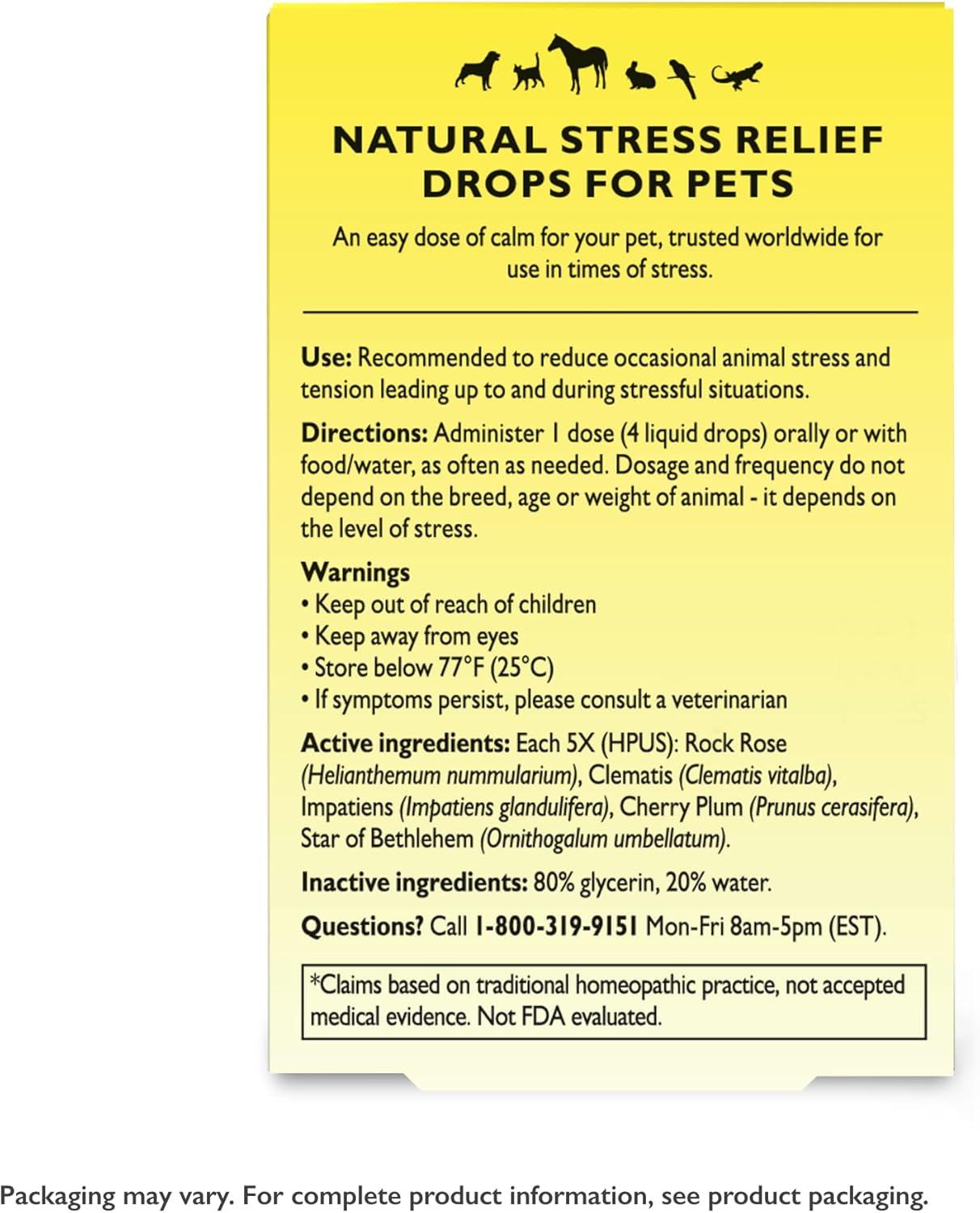
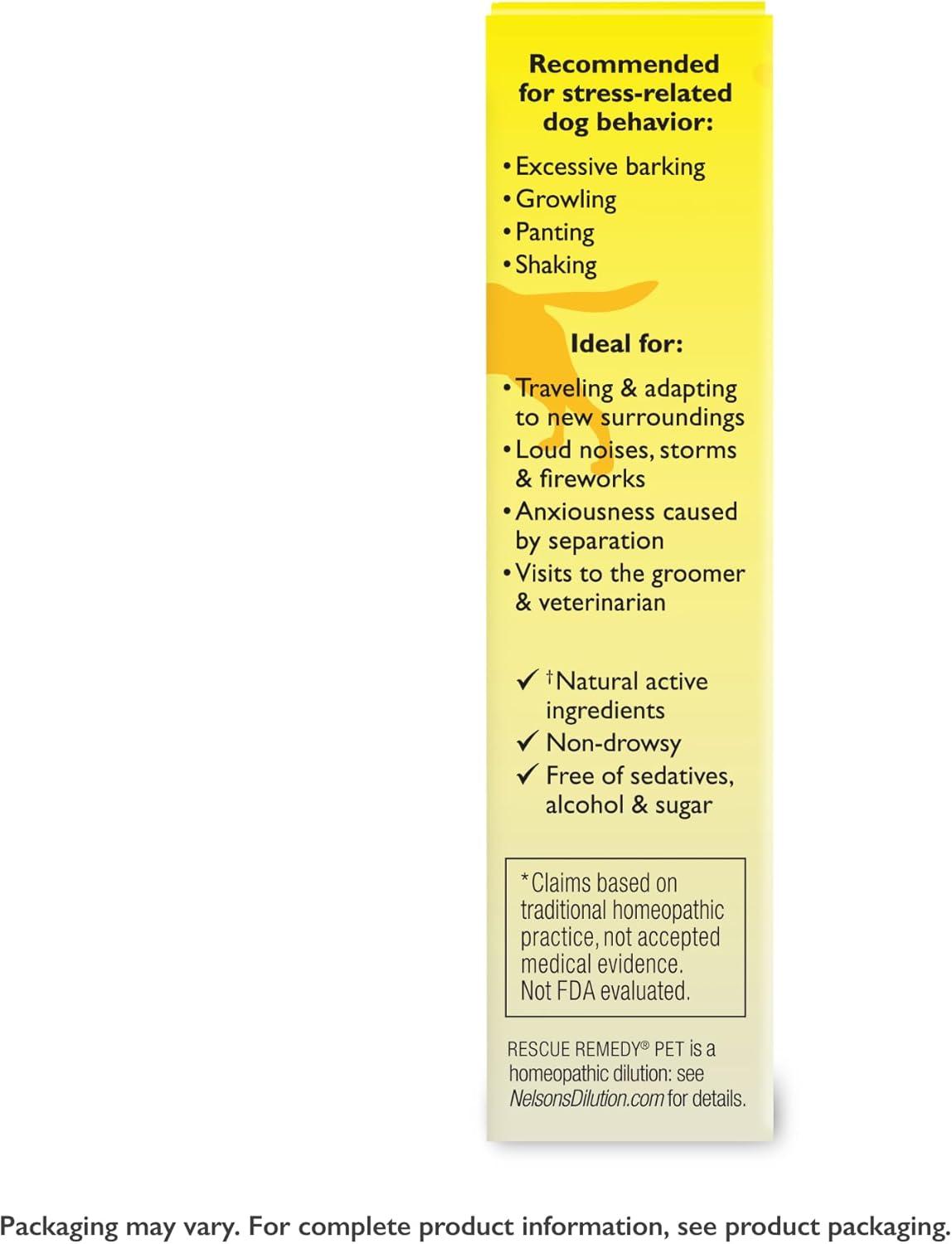
Herbal supplements such as chamomile, valerian root, and passionflower can definitely help soothe nervous dogs when administered in safe doses. Additionally, natural flower essences like Bach Rescue Remedy offer targeted stress relief without sedation, which many dogs tolerate well. These remedies often support emotional balance and stress reduction rather than merely suppressing symptoms.
Using natural remedies also supports your dog’s health in the long term by encouraging better sleep, reducing cortisol levels, and improving their overall mood. Coupled with proper training and consistency, these treatments can make a meaningful difference for anxious pets.
Behavioral techniques to Reduce Anxiety
Along with natural supplements, behavioral interventions are essential in managing dog anxiety effectively. Training, routine, and environmental enrichment all play a key role in reducing your dog’s stress triggers and helping them feel more secure.
one highly effective method is desensitization,where you gradually expose your dog to the source of their anxiety in a controlled way,pairing the experience with positive reinforcement and treats. This approach helps dogs learn that what scared them isn’t harmful and reduces their fear response over time.
Moreover, maintaining a consistent daily routine can provide comfort, as dogs thrive on predictability. Providing a quiet, safe space-such as a crate or designated calming zone with familiar blankets and toys-allows your pet to retreat and relax when anxiety strikes. Enrichment activities like puzzle toys and increased exercise also help burn off excess nervous energy, resulting in a calmer demeanor.

Our Top Product Recommendations
Environmental Adjustments to Support Calmness
Creating a calming surroundings for your dog is another powerful strategy in reducing anxiety naturally. Simple adjustments at home can have a profound effect on how secure and relaxed your dog feels during stressful situations.
For example, white noise machines or soft, calming music designed specifically for pets can mask disturbing sounds such as loud traffic or fireworks. This ambient noise provides comfort by creating a soothing background that helps your dog relax.
Additionally, using pheromone diffusers like Adaptil can mimic the scents that mother dogs emit to calm their puppies. These synthetic pheromones help reduce anxiety for many dogs by promoting feelings of safety and security. Complement these changes with gentle massages or tellington TTouch techniques to encourage relaxation and reduce stress hormones.
Frequently asked Questions
What are common signs of anxiety in dogs?
Common signs include excessive barking or whining, destructive chewing, trembling, pacing, hiding, panting, and loss of appetite. Some dogs may also exhibit aggressive behavior or have accidents indoors despite being house-trained.
Can natural remedies replace vet-prescribed medication for dog anxiety?
Natural remedies can be very effective for mild to moderate anxiety and are frequently enough used alongside behavioral training. However, severe anxiety or specific medical conditions may require veterinary intervention. Always consult your vet before starting any new treatment.
How can I help my dog during thunderstorms or fireworks?
Provide a safe, quiet space indoors and use calming aids such as pheromone diffusers, rescue Remedy drops, and soothing music. Staying calm yourself and distracting your dog with toys or gentle petting can also help. Gradual desensitization techniques are useful to reduce fear over time.
Conclusion
Managing dog anxiety naturally is both achievable and rewarding, helping your pet live a happier, more balanced life. By combining natural remedies, behavioral training, and environmental modifications, you can effectively soothe your dog’s fears and promote lasting calmness. Remember, patience and consistency are key when helping your furry friend overcome anxiety.
With the right tools and a loving approach, you’ll not only calm your dog’s nerves but also strengthen the special bond you share. start incorporating these gentle remedies today and watch your pet become a more confident and relaxed companion.