Introduction
For owners of large dogs,finding the right harness is crucial for both comfort and control. Large breeds require specially designed harnesses that can handle their strength while ensuring they are safe and cozy during walks or outdoor activities. Using the wrong harness can lead to discomfort, skin irritation, or lack of control, which can make outings stressful for both you and your furry friend.
This complete guide will explore the best harness options tailored specifically for large dogs. Whether you’re considering a no-pull harness or something with maximum durability, understanding key features and benefits will help you make an informed decision. keep reading to discover how to choose the perfect harness to keep your big dog happy and under control.
Why Choosing the Right Harness for Large Dogs Matters
Large dogs naturally exert more force when they pull or move suddenly, which means their harness needs to be highly durable and secure. Unlike collars, harnesses distribute pressure evenly across your dog’s body, preventing strain on the neck-a common concern with big breeds. This reduces the likelihood of injury, especially for dogs that are still training or have respiratory issues.
Moreover,a well-designed harness can enhance control,which is essential for large dogs who can sometimes be unpredictable or energetic.It can help reduce pulling behavior by engaging your dog’s body in a gentle but firm way. Choosing a harness that fits well and suits your dog’s activity level will improve your walking experience,making outings more enjoyable for both of you.
Key Features to Look for in a Large Dog Harness
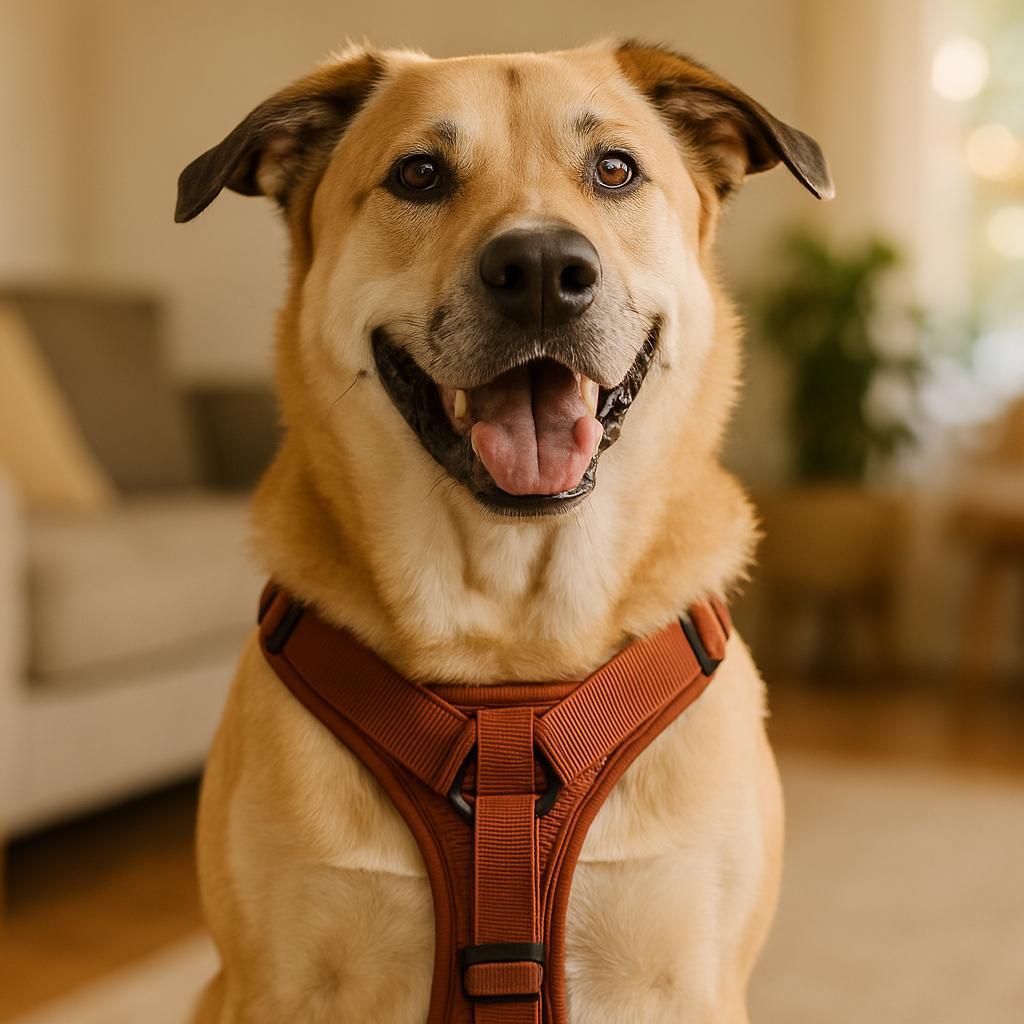
When selecting a harness for a large dog,there are certain features to prioritize to ensure optimum comfort and control. First, look for harnesses made from heavy-duty materials such as reinforced nylon or high-quality polyester. These fabrics offer the strength needed to withstand pulling and rough use without tearing or fraying.
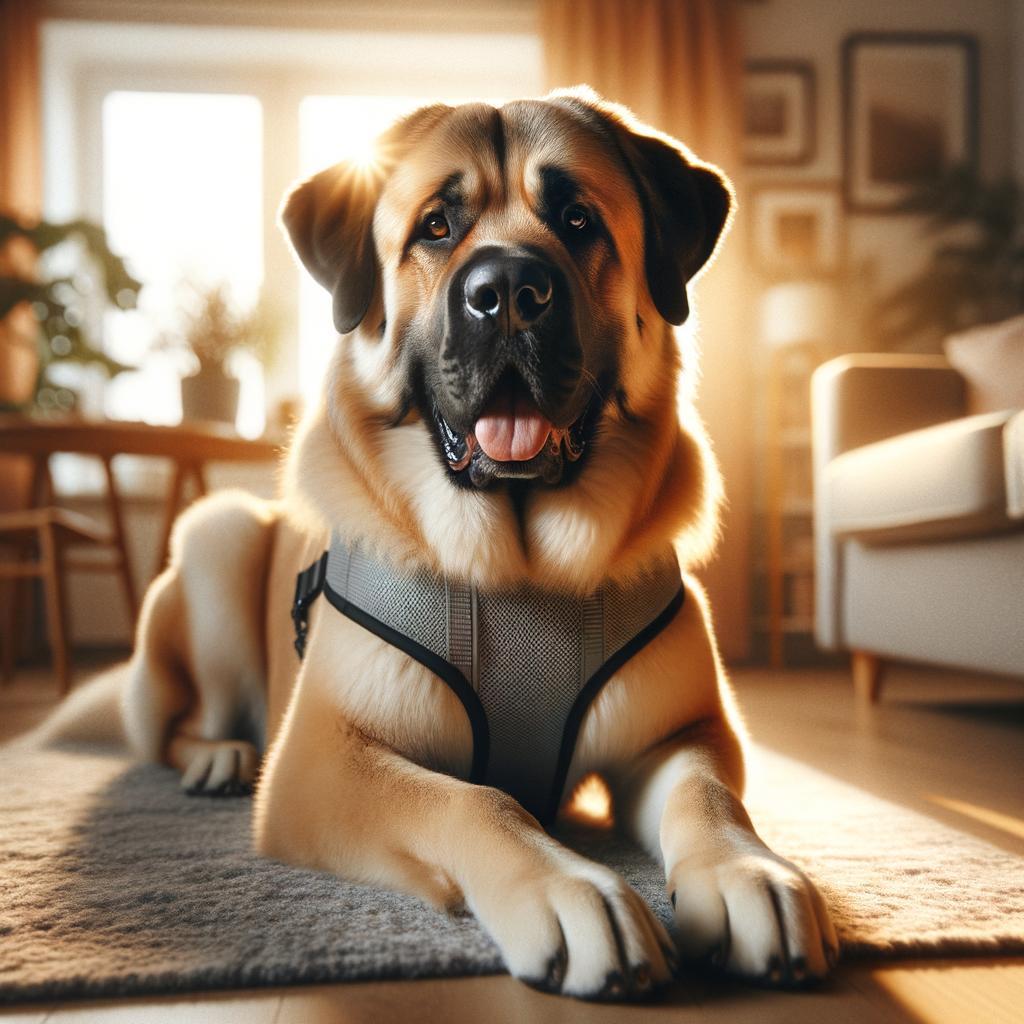
Adjustability is another crucial factor. Large dogs come in various shapes and sizes, so a harness with multiple adjustment points allows for a custom fit that avoids chafing and discomfort. Additionally, breathable mesh padding will help keep your dog cool, especially during long walks or hot weather. Lastly, safety features like reflective strips can improve visibility during nighttime strolls, boosting your dog’s protection.
Our Top Product Recommendations
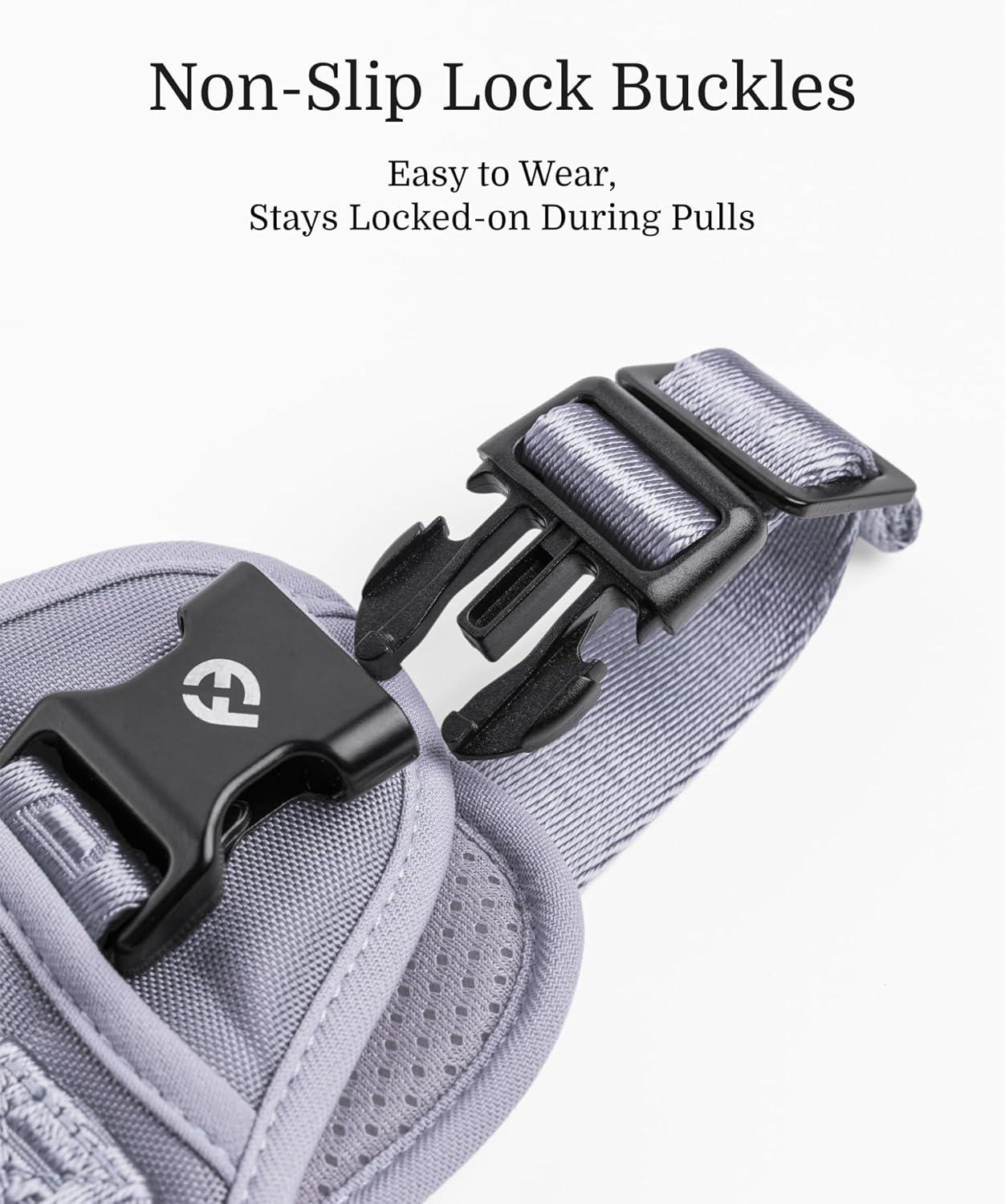

Types of Harnesses Suitable for Large Dogs
There are several types of harnesses designed for large dogs, each offering different benefits depending on your dog’s behavior and needs. No-pull harnesses are especially popular for strong dogs that tend to pull during walks. These models typically have a front clip that discourages pulling by redirecting your dog’s motion towards you.
Another popular choice is padded harnesses that provide extra comfort by cushioning the pressure points and reducing chafing, which is especially important for large breeds with thick fur or sensitive skin. For active or working dogs, tactical harnesses with multiple attachment points and handles offer superior control and durability.
When choosing the type, consider your dog’s temperament, activity level, and specific health needs. Such as, dogs with respiratory issues may benefit from a harness that limits pressure on the neck while providing strong control elsewhere.
How to Measure and Fit a Harness for Your Large Dog
Proper fit is one of the most important factors for harness comfort and effectiveness. to get an accurate measurement, use a flexible tape measure around your dog’s chest, just behind the front legs, which is where the harness’s main strap will sit. Also measure around the neck circumference to ensure the harness doesn’t rub too tightly there.
Most harnesses come with adjustable straps, but it’s best to start with measurements and choose a harness size accordingly. When fitting your dog,make sure the harness is snug but not tight-you should be able to fit two fingers between the harness and your dog’s body. Check for any signs of irritation after the first few uses and adjust as necessary.
Many brands also offer detailed size charts and fitting guides online to help you select the right model for your dog’s specific dimensions. Remember, a harness that is too loose may lead to slipping out, while one that’s too tight can cause discomfort and restrict movement.
Frequently Asked Questions
Can harnesses prevent large dogs from pulling on the leash?
Yes, specially designed no-pull harnesses can help reduce pulling behavior by redirecting the dog’s movement and applying gentle pressure in a way that discourages pulling. Though, combining a no-pull harness with consistent training is the most effective approach.
Are harnesses better than collars for large dogs?
In many cases, harnesses are better for large dogs because they distribute pressure evenly across the chest and shoulders rather than concentrating it on the neck. This prevents strain and reduces the risk of injury, especially for dogs that pull or have delicate tracheas.
How ofen should I check my dog’s harness for wear and tear?
it’s a good idea to inspect your dog’s harness regularly, especially if your dog is very active.Look for signs of fraying, stretched components, or weak buckles to ensure the harness remains safe and effective. Replace the harness if any damage compromises its integrity.
Conclusion
Choosing the best harness for large dogs involves balancing comfort, durability, and control.Finding a harness made from high-quality materials with adjustable features and appropriate padding will ensure your dog stays comfortable and safe while giving you the control you need during walks or outdoor adventures.
By considering your dog’s size, behavior, and specific needs, you can select a harness that enhances your bond and provides a more enjoyable walking experience. Remember to periodically check the fit and condition of the harness to keep your large dog comfortable and secure at all times.