
Introduction
Barking is a natural form of communication for dogs, but excessive barking can become a challenge for dog owners and neighbors alike. Whether your dog barks out of boredom, anxiety, or excitement, it’s vital to address teh behavior in a way that is both effective and respectful of your furry friend’s needs.
In this blog post, we will explore practical, humane strategies to help you stop your dog from barking excessively. From understanding the reasons behind the barking to using positive reinforcement and appropriate training tools,you’ll gain valuable insights to cultivate a quieter,happier home.
Understanding Why Your Dog Barks
Before tackling the barking issue, it’s essential to understand why your dog is vocalizing. Dogs bark for many reasons including alerting to perceived threats, seeking attention, expressing boredom, or reacting to other animals or noises. By identifying the underlying cause, you can tailor your approach to managing the behavior effectively.
For instance, if your dog is barking due to separation anxiety, strategies that provide comfort and gradual desensitization to being alone will differ substantially from techniques used for dogs that bark at passing strangers. Observing when and why your dog barks helps you intervene in the most appropriate way.
keep a log of barking episodes including the time, duration, and what triggered the behavior. This data can be invaluable when working with trainers or veterinarians to develop a behavior modification plan that suits your specific situation.
Effective Training Techniques to reduce barking
Training is one of the most effective ways to manage and reduce excessive barking.Positive reinforcement works best-reward your dog with treats, praise, or playtime when they remain calm and quiet in situations where they would normally bark.Over time, this encourages them to associate silence with positive outcomes.
Another useful technique is teaching the “quiet” command. When your dog starts barking, calmly say “quiet” and wait for them to stop. The moment they pause, even for a few seconds, reward them. Consistency and patience are key with this training method.
Redirecting your dog’s attention with toys, games, or obedience tasks can also reduce barking triggered by boredom or anxiety. Providing sufficient physical and mental stimulation throughout the day will help prevent excessive barking caused by pent-up energy.

Our Top Product Recommendations

Humane Ways to Discourage Barking
While it might potentially be tempting to use harsh methods to stop barking, humane approaches build trust and promote a healthy relationship between you and your dog. Tools such as shaker cans, which create a gentle noise when shaken, can interrupt barking without causing distress.
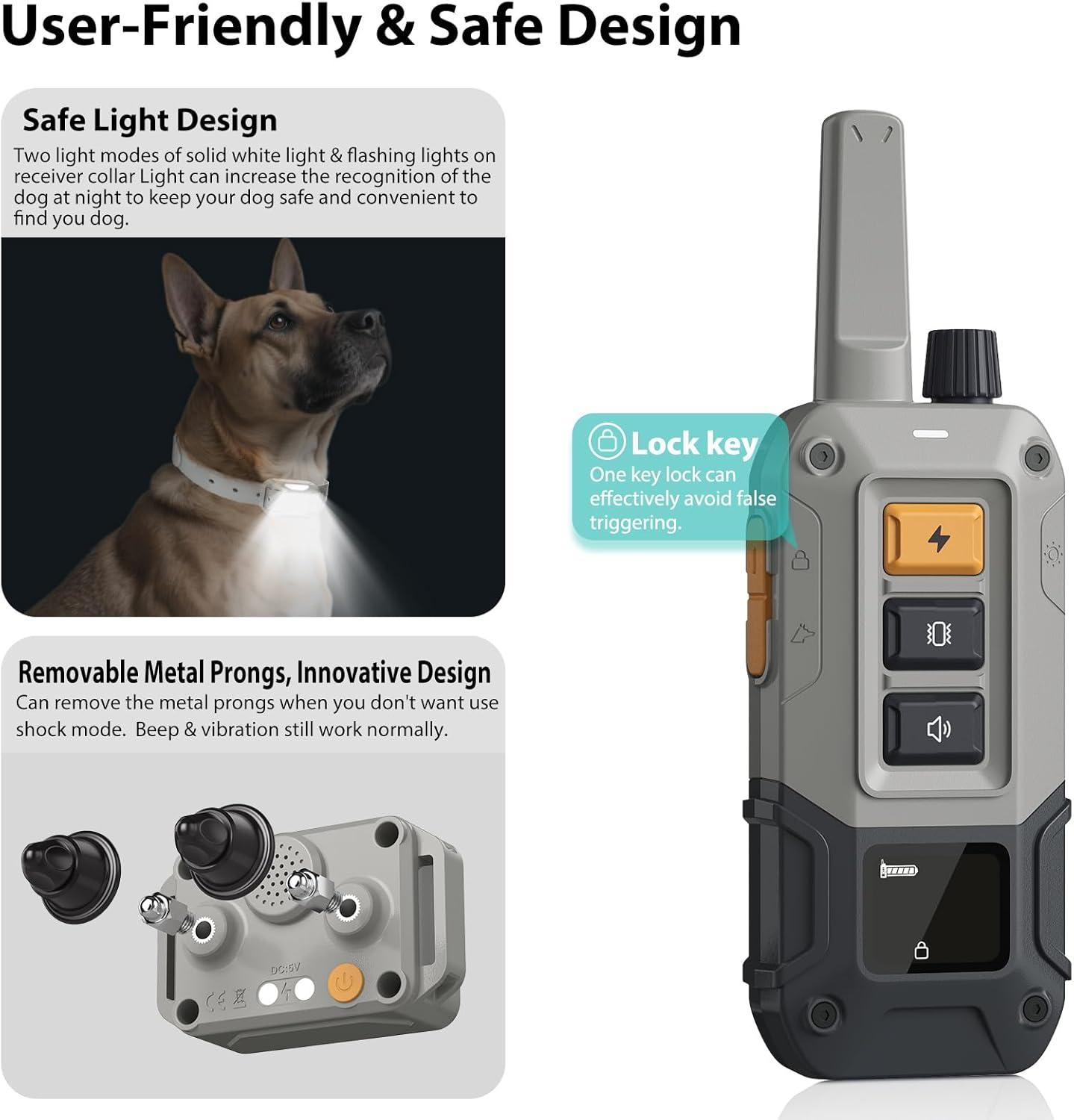
Remote collars with vibration or sound modes can also serve as gentle distractions, but they should be used carefully and according to manufacturer guidelines. avoid shock collars or any tools that cause pain, as they can lead to fear and anxiety in dogs, worsening barking issues in the long term.
Additionally, environmental modifications like using white noise machines, closing blinds to block visual triggers, or increasing exercise and mental stimulation can significantly help reduce barking respectfully.
Frequently Asked Questions
Why does my dog bark at nothing?
Sometimes dogs bark at stimuli that humans cannot perceive, such as high-frequency sounds or faint movements. It may also be a sign of boredom or anxiety. Observing your dog and ruling out medical issues can help, and increasing interaction and stimulation often reduces this behavior.
Is barking at strangers normal behavior?
Yes,many dogs bark out of instinct to alert their owners of unfamiliar people or animals. However, excessive barking at strangers can be managed through socialization and training techniques like desensitization and positive reinforcement to encourage calm behavior.
Can puppies be trained not to bark excessively?
Absolutely. Early training is key to establishing good habits. Teaching commands such as “quiet” and rewarding calm behavior helps puppies learn appropriate ways to express themselves without excessive barking as they grow.
Conclusion
stopping a dog from barking excessively doesn’t have to involve punishment or harsh methods.Understanding the reasons behind the barking and employing patient,consistent training techniques can help you manage your dog’s vocal behavior humanely and effectively.
By combining positive reinforcement, appropriate training tools, and environmental adjustments, you can create a peaceful environment where both you and your dog feel comfortable and happy. Remember, every dog is unique-so tailor your approach with kindness and patience for the best results.