
Introduction
Maintaining your dog’s dental health is an essential part of ensuring they live a happy, pleasant, and long life.Just like humans, dogs can suffer from dental diseases that may lead to pain, tooth loss, or even more severe health issues if left untreated. A consistent dog dental care routine not only keeps your furry friend’s smile bright but also supports their overall wellbeing.
In this extensive guide, we’ll walk you through practical and easy-to-follow tips to establish an effective dental care routine for your dog. From daily brushing basics to professional care and product recommendations, these steps will help safeguard your dog’s oral health and boost their happiness.
Building a Basic Dog Dental Care Routine

Establishing a basic dental care routine for your dog is easier than you might think and requires only a few simple habits. The foundation of any routine is regular teeth brushing using a dog-specific toothbrush and toothpaste. Human toothpaste is not safe for dogs, so always choose a toothpaste designed with their health in mind, frequently enough flavored to appeal to your pet.
Begin by getting your dog comfortable with having their mouth touched, slowly introducing the toothbrush with gentle motions. Set a goal to brush your dog’s teeth at least 2-3 times per week, though daily brushing is ideal for optimal results. Consistency is key to reducing plaque buildup and preventing the formation of tartar, which can cause gum disease and bad breath.
Alongside brushing, incorporate routine dental checks at home. Watch for signs like yellowing teeth, red or swollen gums, bad breath, or difficulty eating. Early detection can prevent more serious dental problems and the need for costly procedures.
Additional Dental Care Practices to Support Your Dog’s Oral Health
Beyond brushing, several additional practices can enhance your dog’s dental health. Dental chews and toys designed to clean teeth help reduce plaque buildup while keeping your dog entertained. These products often contain ingredients like enzymes or antimicrobial agents that contribute to oral cleanliness.
regular professional dental cleanings by your veterinarian are also vital. Dogs generally require a professional cleaning once a year, during which tartar is removed, and any emerging issues are treated. This procedure usually requires sedation, so it’s essential to maintain regular veterinarian visits and discuss your dog’s dental care needs.
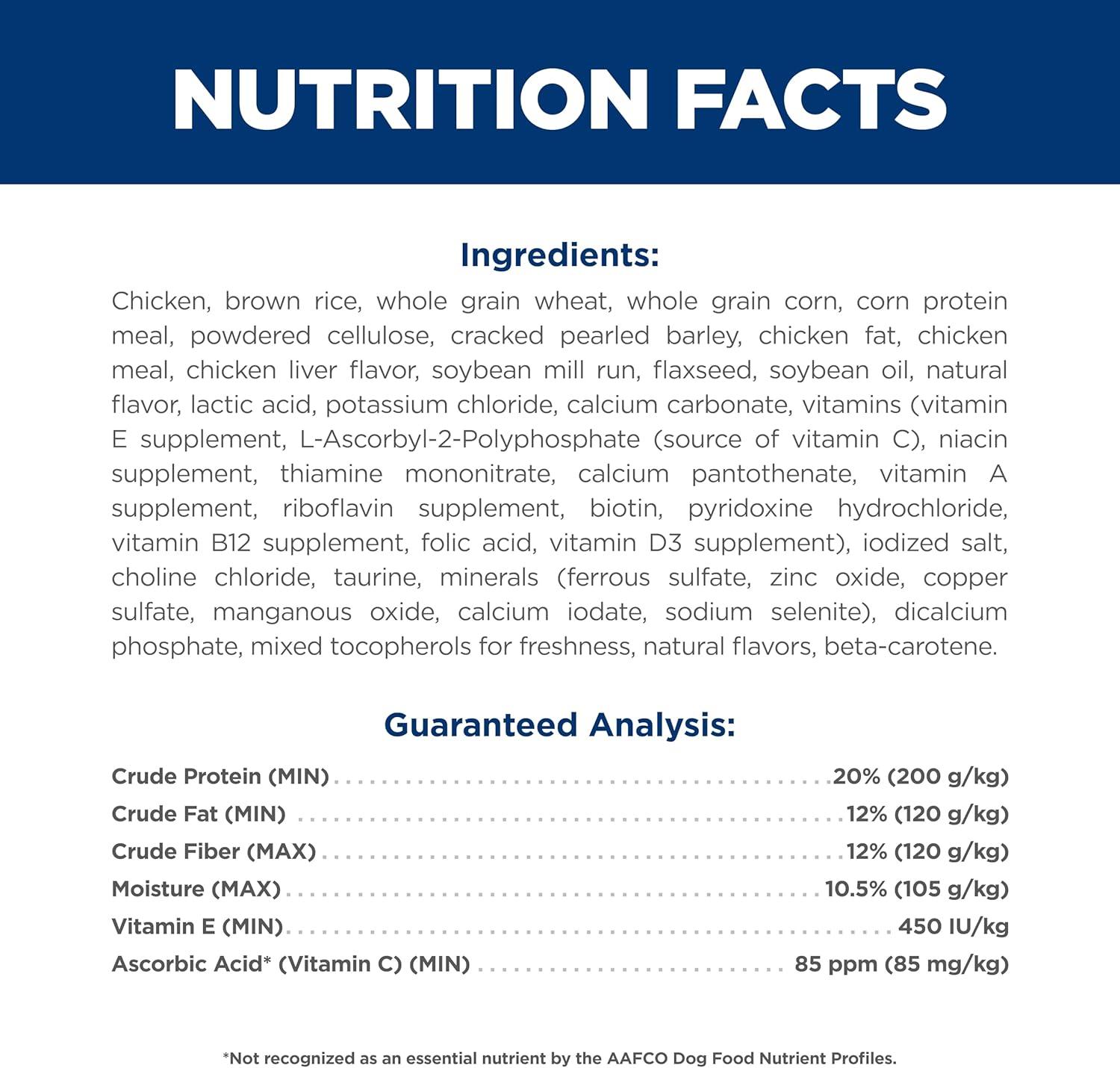
Diet plays a significant role in your dog’s dental health as well. Certain dry kibble formulas are specially designed to reduce plaque buildup. Feeding your dog dental-focused food can complement your brushing and chew strategies to keep their teeth in excellent condition.
Our Top Product Recommendations
Common Challenges and How to Overcome Them
Many dog owners encounter challenges when starting a dental care routine, such as resistance from their pets or difficulty in access to certain teeth. The key to overcoming these is patience and gradual familiarization. Start by gently massaging your dog’s gums with your finger to get them used to oral contact,and then slowly introduce the toothbrush.
Choose the right time for brushing, such as after exercise or when your dog is calm. Using flavored toothpaste and positive reinforcement with treats or praise can turn brushing into an enjoyable routine for both you and your dog.
Additionally, some dogs may be prone to stubborn plaque or tartar despite daily care. In these cases, professional cleanings and guidance from your veterinarian become even more critically important. Your vet can recommend specific products or treatments tailored to your dog’s unique needs.
Frequently Asked Questions
How frequently enough should I brush my dog’s teeth?
Ideally, you should brush your dog’s teeth daily. If that is not possible, aim for at least 2-3 times a week. Regular brushing helps prevent plaque buildup and maintains healthy gums.
Can I use human toothpaste for my dog?
No, human toothpaste contains ingredients that are harmful to dogs if swallowed. Always use toothpaste specifically formulated for dogs, which are safe and frequently enough flavored to encourage acceptance.
What signs indicate my dog needs professional dental care?
Signs include persistent bad breath, yellow or brown tartar on teeth, red or swollen gums, bleeding while eating or chewing, and reluctance to eat. if you notice any of these, consult your veterinarian promptly.
Conclusion
Implementing a thorough dog dental care routine is one of the best ways you can support your pet’s health and happiness. By combining regular brushing, a healthy diet, proper dental products, and professional cleanings, you ensure a bright smile and reduce the risk of painful oral diseases for your furry friend.
Start small, stay consistent, and celebrate your dog’s progress toward excellent dental health – a happier pet is just a smile away!