Introduction
Taking your dog for a walk is one of the best ways to keep them happy and healthy. However, after a fun stroll, your dog’s paws can collect dirt, debris, and even harmful substances like salt, pesticides, or bacteria. Cleaning your dog’s paws after every walk doesn’t just help keep your home clean-it’s also vital for your pet’s health and comfort.
Learning how to properly clean your dog’s paws is an easy routine that prevents infections, irritations, and paw pad injuries. In this post,we will guide you through simple yet effective steps to clean your dog’s paws after each walk and share some trusted tips to maintain paw hygiene for a happy furry friend.
Why It’s Crucial to Clean Your Dog’s Paws After Every Walk
Your dog’s paws are their connection to the world-they walk through mud, grass, gravel, and sometimes hazardous areas. These environments can leave residues such as dirt, sand, chemicals, and allergens that might cause discomfort or worsen existing paw conditions. Moreover, tiny cuts or cracks in their paw pads can become infected if not kept clean and protected.
Seasonal factors also make paw cleaning crucial. In winter,walking on salted sidewalks can dry out and irritate your dog’s pads,causing painful cracks. during warmer months, hot pavement can cause burns or blistering. Regularly cleaning and inspecting your dog’s paws after each outing helps you catch any issues early and promotes overall paw health.
Additionally,removing pollen,mold,or other allergens from their paws helps reduce itching and allergic reactions,especially in sensitive pets. So, cleaning your dog’s paws is a simple preventive measure that supports their comfort and wellbeing daily.
Step-by-Step Guide: How to Clean Dog Paws After Walk
Cleaning your dog’s paws is straightforward and can be done using items you likely have at home. Here are the essential steps to keep in mind for effective paw cleaning:
- Prepare the cleaning area: Before you start,gather warm water,a pet-safe paw cleaner or mild soap,clean towels,and a soft brush if necessary.
- Check for injuries: Take a moment to examine your dog’s paws for cuts, splinters, or swelling.If you notice something unusual,consult your veterinarian.
- Rinse the paws: Rinse each paw gently with warm water to loosen dirt and debris.You can use a shallow basin or damp cloth for this.
- Clean with a paw cleaner or gentle soap: Apply a small amount of pet-safe paw cleanser or mild soap and massage the paws, focusing on the pads and between the toes where dirt tends to accumulate.
- Use a soft brush if needed: For stubborn dirt or mud, a soft toothbrush or nail brush can definitely help dislodge debris without hurting your dog.
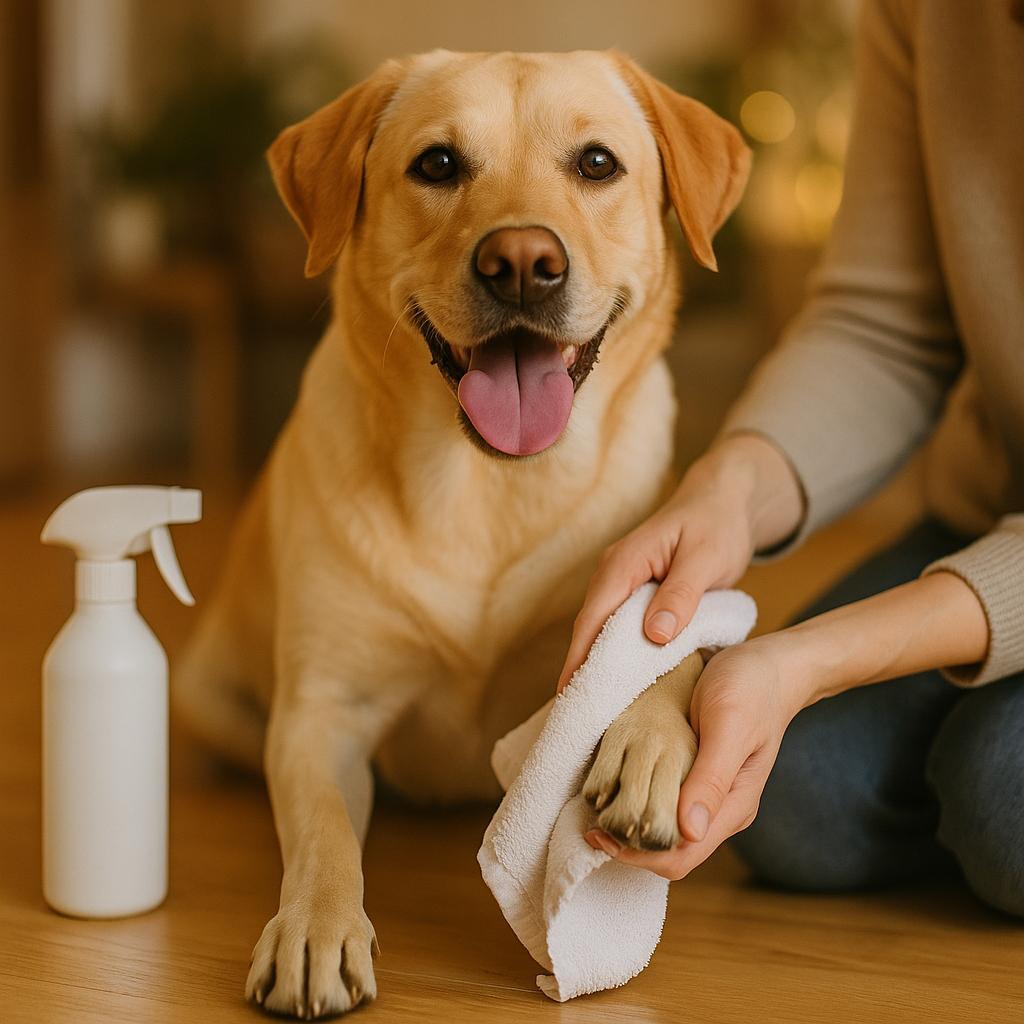
- Rinse thoroughly and dry: Make sure all soap is rinsed away, then dry the paws completely with a clean towel.Drying is crucial to prevent fungal infections.
- Apply balm or moisturizer: If your dog’s paw pads are dry or cracked, applying a paw balm specially designed for dogs can soothe and protect their skin.
By following these steps after each walk, you ensure your dog’s paws stay clean, healthy, and free from irritating substances.
Seasonal Tips for Paw Care
Different seasons pose unique challenges to your dog’s paw health. In winter, salt and ice-melting compounds can cause your dog’s paws to become dry, cracked, and sore. To protect your pup,rinse their paws with warm water after walks and consider using booties or a protective balm to create a barrier against irritants.
Hot weather presents a different set of risks. Pavement, asphalt, and sand can become extremely hot and burn your dog’s paw pads. Try to walk your dog during cooler parts of the day and test surfaces with your hand before venturing out. After the walk, check and clean their paws to remove any stuck debris such as thorns or seeds that can embed and cause injury.
Allergy season requires extra vigilance as pollen and allergens often hitch a ride on your dog’s paws. Washing paws promptly helps minimize allergic reactions, itching, and licking behavior. Maintaining a regular paw cleaning routine year-round supports your dog’s comfort and overall health.
Our Top Product Recommendations


Additional Tips to Maintain Healthy Paws
beyond cleaning, maintaining your dog’s paws includes regular nail trimming and fur care. Overgrown nails can affect your dog’s gait and cause discomfort, while excessive fur between toes can trap unwanted debris.Trim nails every 3-4 weeks and keep fur between paw pads trimmed with grooming scissors or clippers.
Inspect your dog’s paws regularly for foreign objects such as burrs, splinters, or seeds. Early removal can prevent infections or chronic irritation. If your dog frequently licks or chews their paws, it might be a sign of allergies, irritation, or injury. In such cases, consulting your veterinarian is advisable.
consider creating a designated spot near your home’s entrance, such as a mat with towels and cleaning supplies, to make it easy to clean paws immediately after walks. This habit saves time and ensures your dog’s paws stay healthy and dirt-free regularly.
Frequently Asked Questions
How frequently enough should I clean my dog’s paws?
It’s best to clean your dog’s paws after every walk, especially if they have been walking through mud, salt, snow, or areas where chemicals might be present.Even if the paws look clean, pollen and other allergens can stick around and cause irritation.
What if my dog hates having their paws touched or cleaned?
Many dogs feel uncomfortable with paw handling initially. Try to make paw cleaning a positive experience by offering treats, praise, and gentle handling. Start slowly, touching one paw at a time while rewarding your dog, and gradually introduce cleaning over time.Patience and consistency are key.
Can I use human soap or wipes to clean my dog’s paws?
It’s not recommended to use human soaps or disinfectant wipes on your dog’s paws, as these can cause irritation or allergic reactions. Instead, use pet-specific paw cleaners or mild, fragrance-free soaps safe for dogs. Always rinse thoroughly to avoid residue buildup.
Conclusion
Cleaning your dog’s paws after every walk is a simple but essential part of responsible pet care. Not only does it keep your home free from dirt and allergens, but it also protects your dog from potential infections, irritations, and injuries. By establishing a regular paw cleaning routine, using gentle products, and paying attention to seasonal concerns, you help your furry friend stay comfortable, healthy, and happy.
Remember, a little time and care with paw cleaning will go a long way in ensuring your dog enjoys their outdoor adventures safely while maintaining healthy paws all year-round.