Introduction
Preparing homemade dog food is a marvelous way to ensure your furry friend enjoys nutritious and flavorful meals tailored to their specific needs. with the rise in awareness around pet health, many dog owners are turning to homemade recipes to provide their pets with wholesome ingredients free from fillers and artificial additives.
This blog post will guide you through easy homemade dog food recipes that require simple ingredients you probably already have in your kitchen. Whether you’re a seasoned dog owner or new to pet care,these recipes will help you create tasty meals your dog will love while supporting their overall well-being.
why Choose Homemade Dog food?
Homemade dog food provides complete control over what goes into your pet’s diet.Unlike commercial dog foods, which can sometimes contain preservatives, low-quality fillers, or allergens, homemade meals can be tailored specifically to your dog’s dietary requirements and preferences.
Additionally, many dogs with allergies or digestive sensitivities benefit greatly from homemade food. This personalized approach to dog nutrition not only promotes better health but also strengthens the bond between you and your pet, as you actively participate in their nourishment and happiness.
Another advantage to homemade dog food is that it offers variety. By rotating different recipes and ingredients, you can ensure your dog receives a balanced diet with essential nutrients that appeal to their taste buds, keeping mealtime exciting every day.
Easy homemade Dog Food Recipes Any Owner Can Make
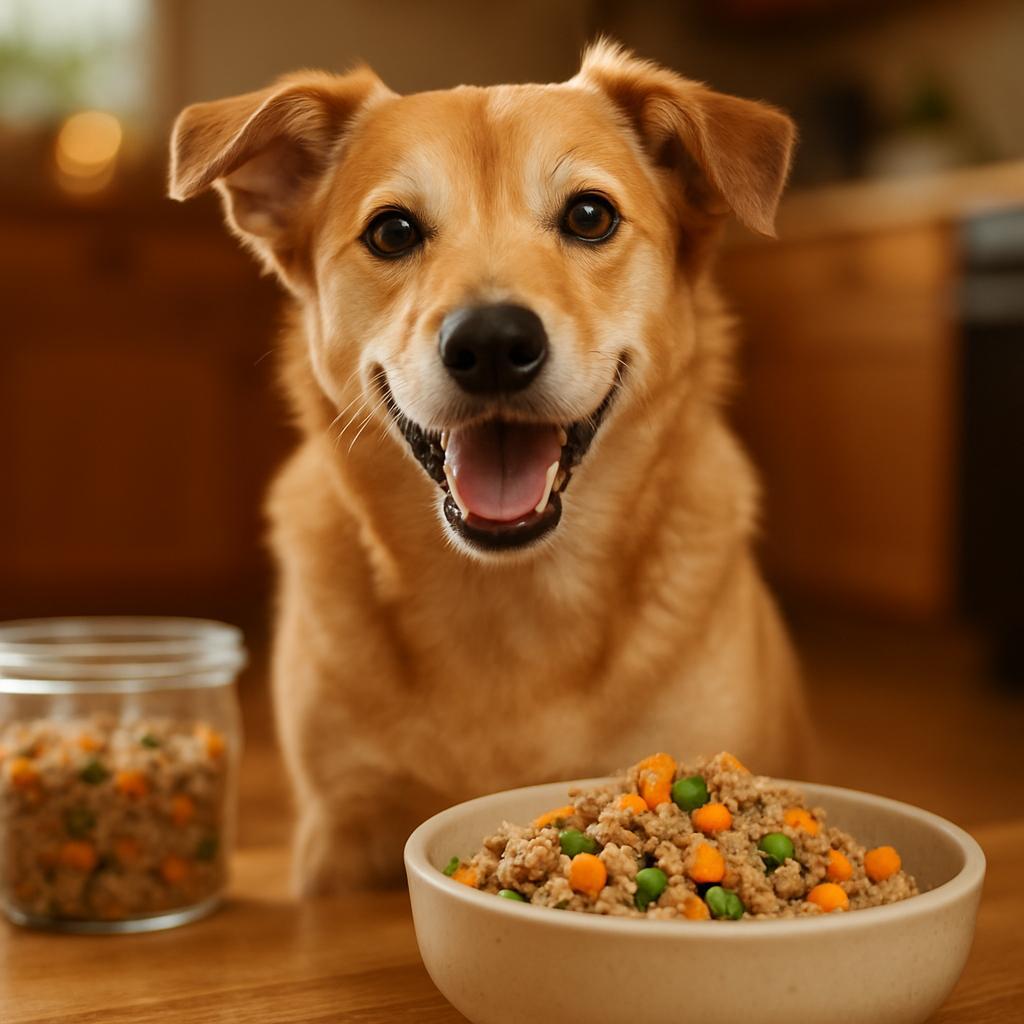
Creating homemade food for your dog doesn’t have to be intricate or time-consuming. Here are some simple recipes packed with nutritious ingredients that your dog is sure to enjoy:
- Chicken and Rice Delight: combine boiled chicken breast, cooked brown rice, and steamed carrots. Add a sprinkle of parsley for extra flavor and digestive support.
- Beef and Sweet Potato Mix: Use lean ground beef cooked through, mashed sweet potatoes, and a handful of green beans. This combo offers high protein and essential vitamins.
- Turkey and Quinoa Bowl: Mix cooked ground turkey with quinoa and chopped spinach. Quinoa is a great grain alternative rich in amino acids and fiber.
These recipes are easy to prepare and customizable depending on what you have on hand.Always make sure any meat or vegetables used are cooked thoroughly to aid digestion and safety.
Key Nutrients to Include in Your Dog’s Meals
Dogs require a balanced mix of proteins, carbohydrates, fats, vitamins, and minerals to maintain their health. When preparing homemade meals, it’s significant to include ingredients that provide these vital nutrients:
- Proteins: Lean meats like chicken, turkey, beef, and fish form the foundation of a healthy dog meal, supporting muscle growth and repair.
- Carbohydrates: Whole grains such as brown rice, oats, and quinoa, or vegetables like sweet potatoes and peas, provide energy and fiber.
- Fats: Healthy fats are essential for a shiny coat and brain function. Consider adding small amounts of fish oil or flaxseed oil.
- Vegetables and Fruits: Ingredients like carrots, spinach, blueberries, and apples offer antioxidants and vitamins.
It’s also advisable to consult your veterinarian about any supplements to meet your dog’s unique nutritional needs,especially if making homemade food a regular choice.
Our Top Product Recommendations
Tips for Transitioning Your Dog to Homemade Food
Switching your dog to homemade food should be done gradually to prevent digestive upset. Start by mixing a small amount of homemade food with your dog’s current diet and gradually increase the portion over 7 to 10 days.
Observe your dog closely during this transition for any signs of allergies, such as itching, digestive issues, or changes in behavior.If you notice any adverse reactions, consult your veterinarian instantly to adjust the diet as needed.
Maintaining variety in your dog’s meals while keeping nutritional balance is key. Keep track of which meals your dog enjoys and how they respond to different ingredients to optimize their health and happiness.
Frequently Asked Questions
Can I feed my dog only homemade food?
Yes, you can feed your dog exclusively homemade food, provided the meals are nutritionally balanced and meet all your dog’s dietary needs. Consulting a veterinarian or a pet nutritionist is essential to ensure you’re providing a complete and balanced diet.
Are there any ingredients to avoid in homemade dog food?
Absolutely. Ingredients such as chocolate, onions, garlic, grapes, raisins, and certain artificial sweeteners like xylitol are toxic to dogs and must be avoided. Always research ingredients carefully and stick to dog-safe foods.
How do I know the right portion size for my homemade dog food?
Portion sizes depend on factors such as your dog’s weight, age, activity level, and health status. A general rule of thumb is about 2-3% of your dog’s body weight per day, split into two meals. Though, it’s best to consult your vet for precise feeding guidelines.
Conclusion
Making homemade dog food is a rewarding way to provide your pet with fresh, wholesome meals that contribute to their health and happiness. With simple recipes and carefully chosen ingredients, any dog owner can prepare nourishing meals that their furry friends will eagerly devour.
Remember, a balanced diet is key, so always consider your dog’s unique needs and seek professional advice when necessary. Start experimenting with these quick and easy recipes today, and watch your dog thrive on homemade goodness!