Introduction
Bulldogs are a beloved breed known for their distinctive appearance and charming personalities. However, their unique physiology means they require special dietary considerations to stay healthy and happy. Choosing the best dog food specifically formulated for bulldogs can make a significant difference in their overall well-being, from maintaining a healthy weight to supporting joint health and sensitive skin.
In this blog post, we’ll explore everything you need to know about the best dog food for bulldogs. Whether you are a new bulldog owner or looking to improve your pet’s nutrition,this guide will provide helpful tips and recommendations to ensure your furry friend thrives.
Why Choosing the Best Dog Food for Bulldogs matters
Bulldogs have unique dietary needs compared to other dog breeds. Their short muzzles and brachycephalic facial structure can lead to breathing difficulties and a slower metabolism.This means they can gain weight easily if their diet isn’t carefully managed. Overweight bulldogs are at risk for serious health issues including joint problems, heart disease, and decreased quality of life.
Moreover, bulldogs tend to have sensitive skin and digestive systems. Many bulldogs suffer from allergies and food intolerances, so selecting a dog food with high-quality ingredients and limited fillers is essential. A nutritious diet that contains balanced levels of protein, fat, carbohydrates, vitamins, and minerals tailored to bulldog needs will support their muscle tone, energy levels, and coat health.
Key Nutritional Requirements for Bulldogs
When shopping for the best dog food for bulldogs, look for formulas designed to address their specific physical and health characteristics. Protein is vital for muscle maintainance and energy. High-quality animal proteins such as chicken, beef, or fish should be the primary ingredient. Avoid foods that list vague sources of protein like “meat meal” or “by-products.”
Fat content is also crucial as it provides energy and promotes skin and coat health. Essential fatty acids like omega-3 and omega-6 are critically important for reducing inflammation and improving the skin barrier function, which is especially beneficial for bulldogs prone to skin conditions.
Carbohydrates should come from easily digestible sources like sweet potatoes or brown rice,providing sustained energy without unnecessary fillers. Also, consider foods with added glucosamine and chondroitin to help support your bulldog’s joints, which are prone to stress due to their body structure.
Our Top Product Recommendations
How to Transition Your Bulldog to New Food
Transitioning your bulldog to a new dog food requires patience and careful steps to avoid digestive upset.Bulldogs are prone to sensitive stomachs, so it’s important to make gradual changes over at least 7 to 10 days. Start by mixing a small amount of the new food with their current diet, and slowly increase the ratio of new food while decreasing the old.
Monitor your bulldog’s stool consistency, appetite, and energy levels during this period. If you notice any adverse reactions such as vomiting, diarrhea, or excessive itching, pause the transition and consult your veterinarian. A slow and steady approach will help your bulldog adjust comfortably to the new nutritional profile and ingredients.
Additionally, maintaining a consistent feeding schedule and providing fresh water alongside meals supports good digestion and overall health.
Frequently Asked Questions
What ingredients should I avoid in bulldog dog food?
Avoid dog foods that contain artificial preservatives, colors, and flavors, as they can cause allergies or digestive issues. Also, steer clear of foods with excessive fillers like corn, wheat, and soy, which provide little nutritional value and may trigger sensitivities. Low-quality meat by-products should also be avoided in favor of whole meat sources.
How much should I feed my bulldog daily?
The amount your bulldog needs depends on their age, weight, activity level, and metabolism.Typically,an adult bulldog requires between 1.5 to 2.5 cups of high-quality dry dog food daily, split into two meals. Always follow the feeding guidelines on the dog food packaging and consult your vet for personalized advice.
Is wet food better than dry food for bulldogs?
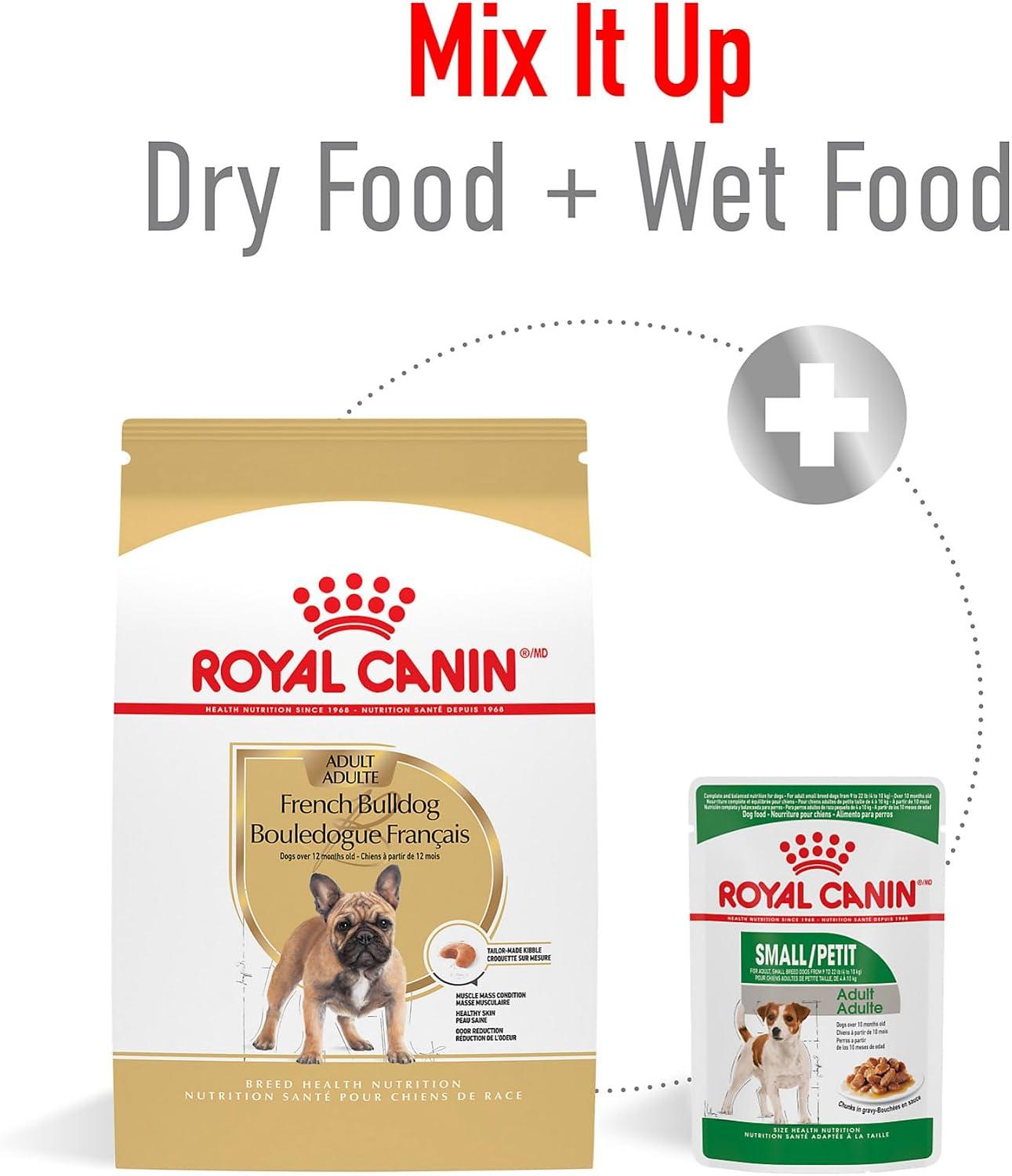
Both wet and dry food have benefits. Dry food helps keep teeth cleaner and is generally more affordable and convenient, while wet food tends to be more palatable and hydrating. Many bulldog owners find a combination of both works best to meet their pet’s preferences and nutritional needs. Ultimately, choose a dog food that is balanced, high-quality, and suitable for bulldogs’ health requirements.
Conclusion
Feeding your bulldog the best dog food is key to ensuring they live a healthy, happy, and active life. By focusing on high-quality ingredients tailored to the breed’s unique dietary needs, you can support their skin, joints, digestion, and energy levels effectively. Always pay attention to your bulldog’s individual responses to their diet and consult your veterinarian when choosing or transitioning dog foods.
With the right nutrition and care, your bulldog will enjoy many joyful years by your side.