Introduction
Training your dog effectively requires the right tools, and one of the most essential accessories is a high-quality dog collar designed for training purposes. Whether you’re dealing with a stubborn puppy or an adult dog that needs some extra guidance, using the best dog collar for training can make a notable difference in improving obedience and overall behavior.
From teaching basic commands like “sit” and “stay” to curbing unwanted behaviors such as excessive barking or pulling, the right training collar offers a balance of control and comfort. In this post, we’ll explore the best dog collars for training, their types, and how to select one that best suits your dog’s unique needs.
Types of Dog Collars for Effective Training
When it comes to training your dog, there are several types of collars available, each designed with specific training techniques in mind. The most popular options include flat buckle collars, martingale collars, prong collars, and electronic (e-collars). Understanding the differences between them helps you choose the best collar for your dog’s temperament and training goals.
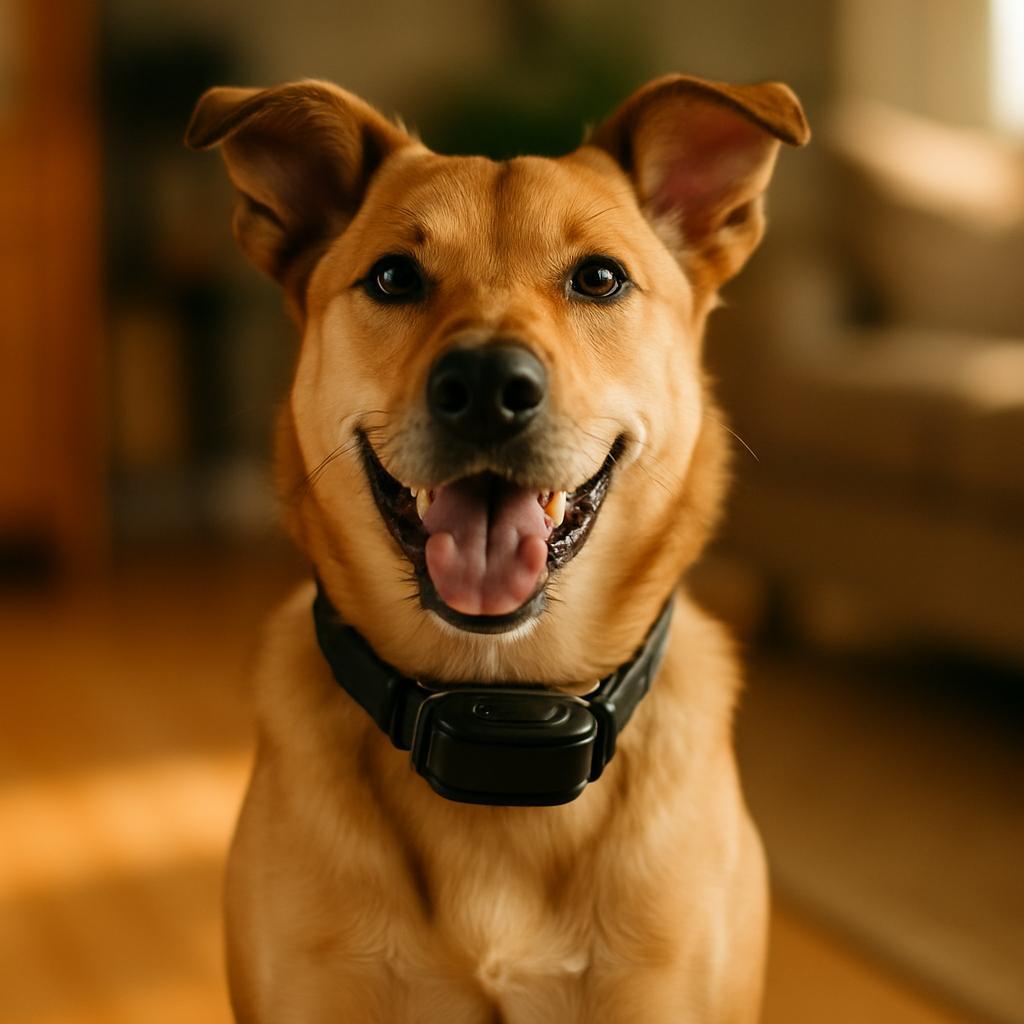
Flat buckle collars are standard collars useful for daily wear but are limited when it comes to training aid. Martingale collars are designed to provide gentle control without choking, ideal for dogs with narrower heads like greyhounds. Prong collars apply pressure around the neck evenly and are used for dogs that need firmer corrections under professional supervision. Meanwhile,electronic collars provide remote control with tone,vibration,or small static pulses that can improve training efficiency when used responsibly.
How to Choose the Best Training Collar for Your Dog
Choosing the best dog collar for training depends largely on your dog’s size, breed, temperament, and the type of training you intend to carry out.Safety and comfort should always be the priority alongside effectiveness.
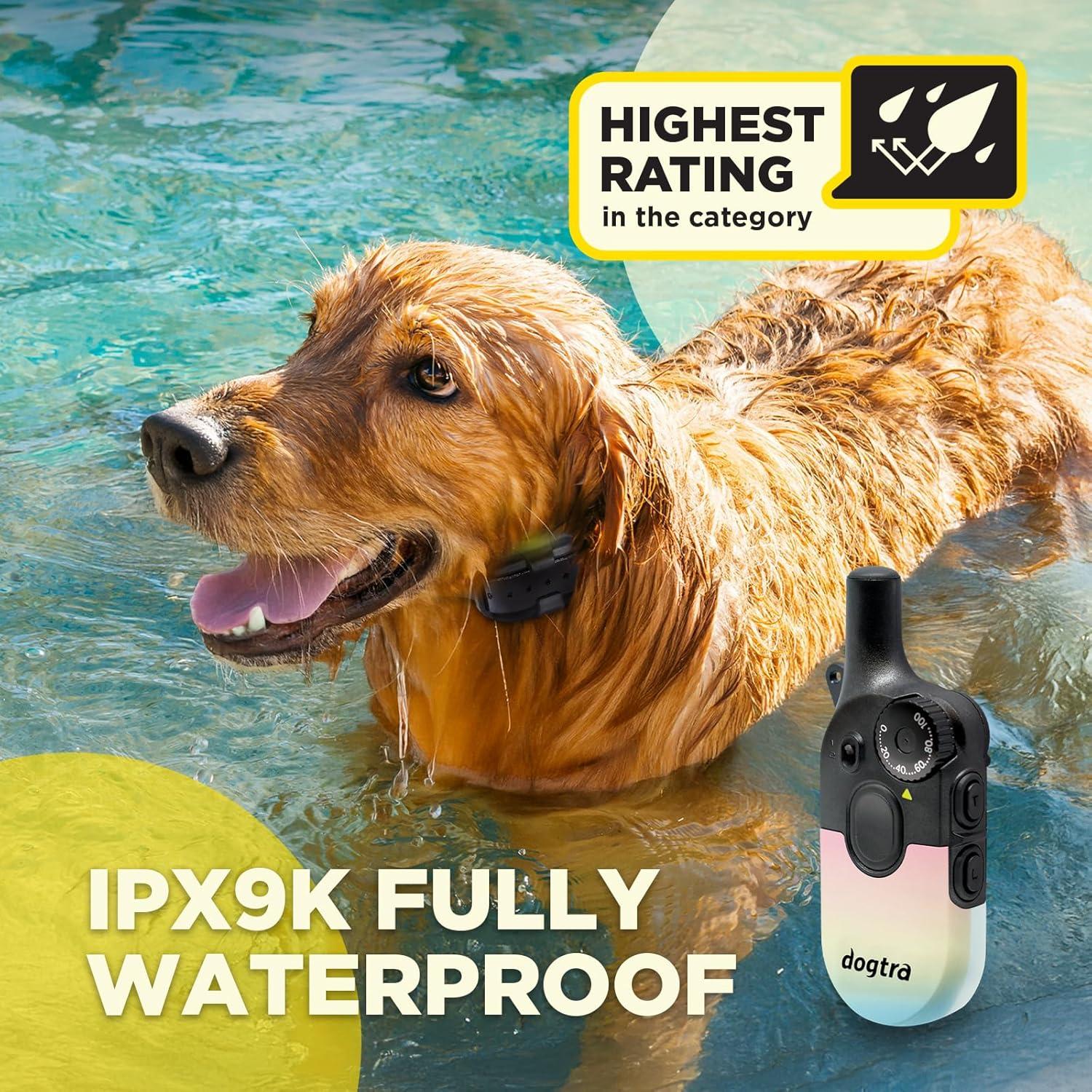
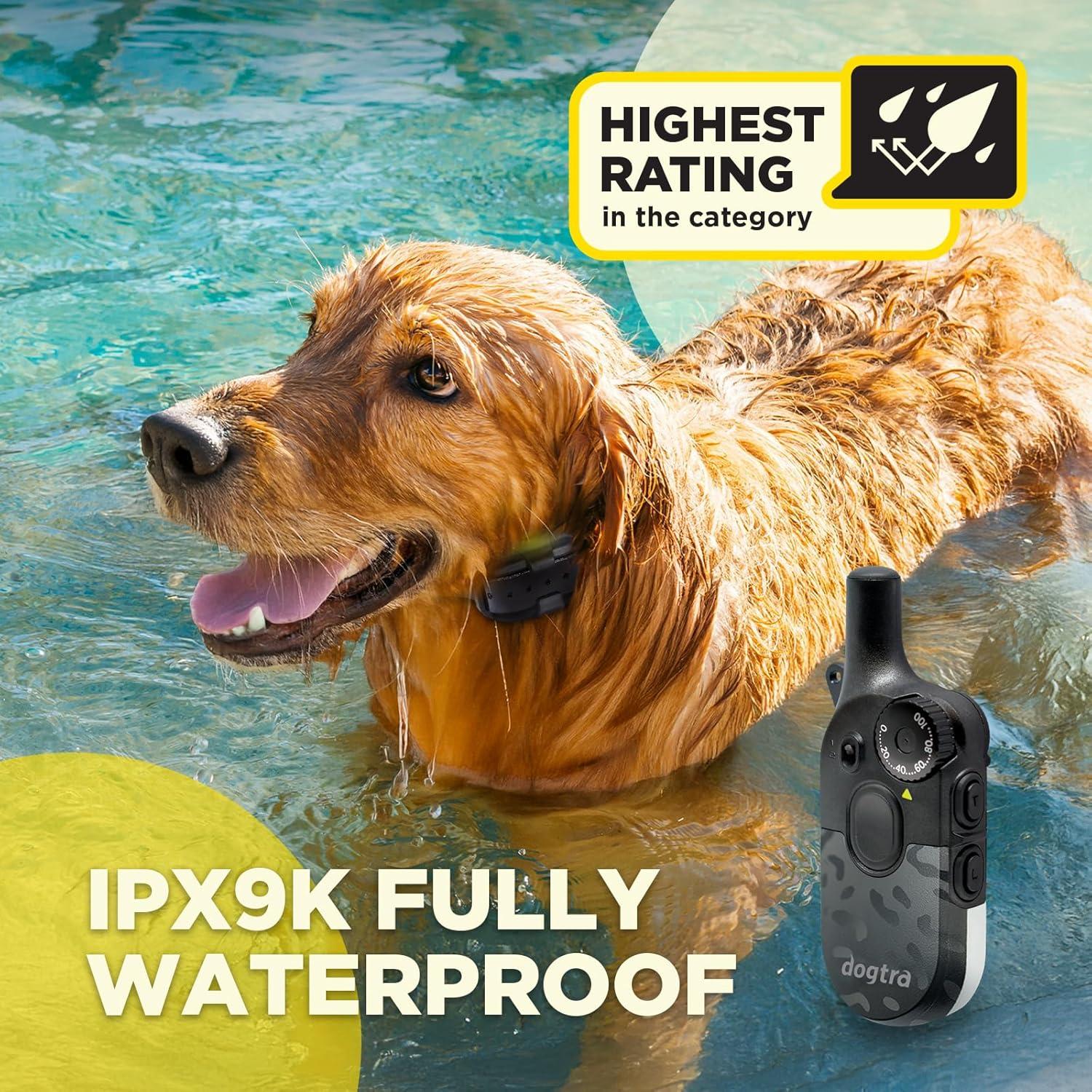
Look for collars made of durable, pleasant materials that won’t irritate your dog’s skin. Adjustable collars ensure a proper fit and prevent slipping or choking. If opting for an electronic collar, consider one with multiple stimulation levels and waterproof features to handle all weather conditions and training intensities.Additionally, training collars that offer tone and vibration options provide safer alternatives to static shocks.
Always pair collar training with positive reinforcement methods. The collar should be a tool for communication, not punishment, promoting an obedient, well-behaved dog while maintaining trust and a strong bond.
Our Top Product Recommendations

Tips for Using Training Collars Safely and Effectively
Training collars are powerful tools that require responsible use to ensure your dog’s safety and positive training results. Always start at the lowest stimulation setting and observe your dog’s response before increasing intensity.Overuse or misuse can lead to fear or distrust, so consistency and patience are key.
Pair collar use with positive reinforcement techniques such as treats, praise, and playtime rewards. A well-rounded training approach promotes better obedience and strengthens your bond with your dog.Additionally, avoid leaving training collars on your dog for extended periods to prevent skin irritation or discomfort.
Consult a professional dog trainer if you’re unsure about wich collar to use or how to apply corrections appropriately. Professional guidance ensures your dog benefits from training in a safe, supportive manner.
Frequently Asked Questions
Are electronic collars safe for dogs?
When used correctly and responsibly, electronic collars can be safe and effective training tools. Choose collars with adjustable stimulation levels and use the lowest effective settings. Avoid harsh corrections and combine collar use with positive reinforcement methods to ensure your dog’s well-being.
How do I know which training collar fits my dog?
Measure your dog’s neck circumference accurately and choose adjustable collars that fit snugly but comfortably. For electronic collars, check the manufacturer’s recommendations based on your dog’s weight and size. Always test the fit to prevent slipping or choking during training.
Can training collars be used on puppies?
Training collars, especially electronic ones, are generally recommended for dogs over 6 months old. Puppies have more sensitive skin and nervous systems, so using collars designed for young dogs and focusing on gentle positive reinforcement is better. Always consult a vet or trainer before starting collar training with a puppy.
Conclusion
The best dog collar for training is one that suits your dog’s individual needs,temperament,and your training goals while emphasizing safety and comfort. Whether you choose a prong, martingale, or electronic collar, responsible use and positive reinforcement are essential for successful behavior improvement and obedience.
By investing in the right training collar and educating yourself on proper training techniques, you can develop a stronger relationship with your dog, helping them become a well-mannered and happy companion for life.