Introduction
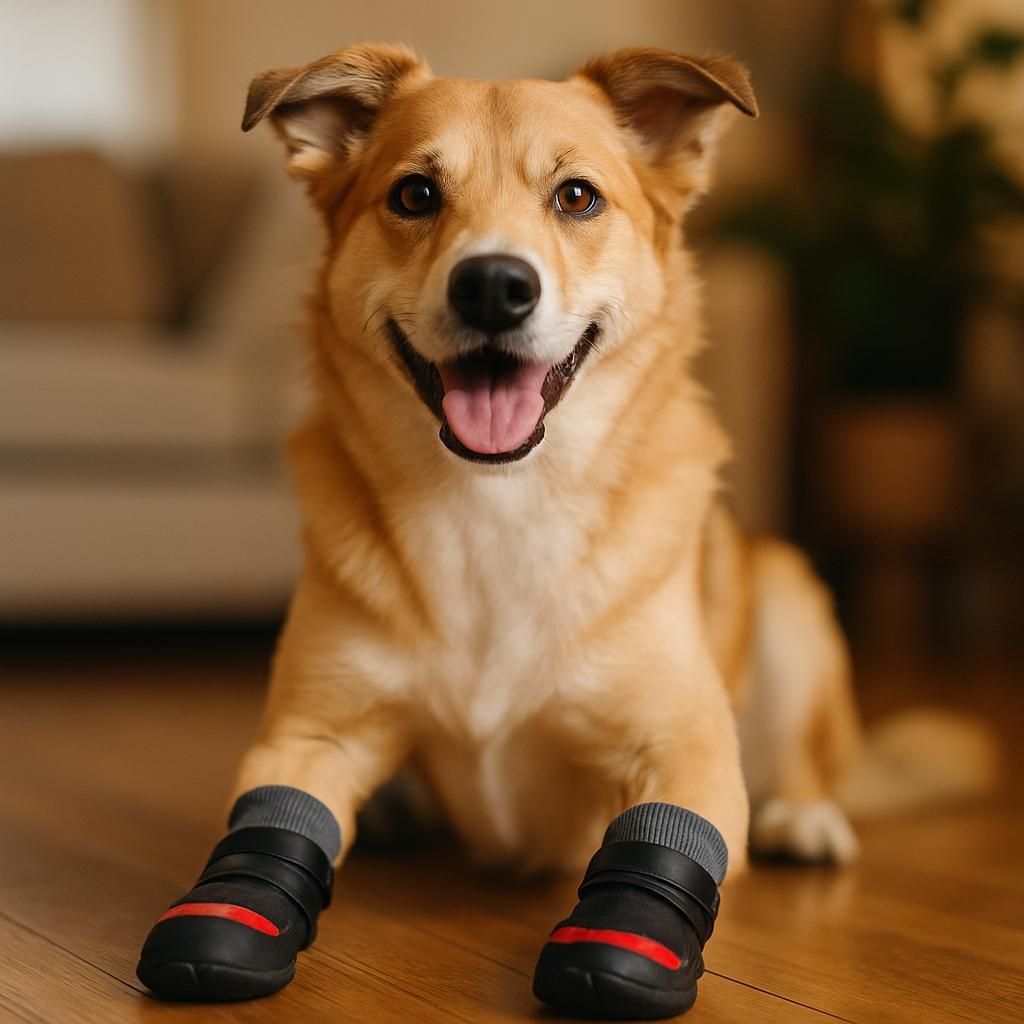
Winter can be a challenging season for both dog owners and their furry companions. Harsh temperatures, icy sidewalks, and salted roads pose serious risks to your dog’s paws. To keep your pet cozy and protected during the cold months, investing in a reliable pair of winter dog boots can make all the difference. Thes boots shield your dog’s paws from cold, moisture, and abrasive surfaces, allowing for more pleasant and safer outdoor adventures.
In this extensive guide, we will review some of the best dog boots for winter available today. Our goal is to help you find the perfect fit and style that suits your dog’s needs-whether it’s for snowy hikes, neighborhood walks, or just protecting their paws from extreme cold. Let’s explore how the right boots can enhance your pet’s winter experience and safeguard their health.
Why Dog Boots Are Essential for Winter Protection
Many dog owners underestimate the importance of protecting their pet’s paws during the winter. Ice, snow, salt, and chemical de-icers can cause irritation, cracking, and discomfort to your dog’s pads. Moreover, prolonged exposure to cold surfaces may lead to frostbite or other paw injuries. dog boots act as a barrier that keeps paws dry, warm, and safe from harmful substances often found on sidewalks and in parks during winter.
Besides health benefits, boots improve traction on slippery surfaces, preventing slips and injuries for dogs who love to be active outdoors. They can also enhance hygiene by stopping packed snow and ice balls from forming between the paw pads. Properly fitted dog boots encourage your pet to stay more comfortable and willing to explore,even on the coldest days.
Key Features to Look for in the Best Dog Boots for Winter
When shopping for winter dog boots, there are several notable features to keep in mind to ensure you select effective and comfortable footwear. First, look for boots with a durable, waterproof exterior that can withstand snow, slush, and muddy conditions. A breathable yet insulated lining is ideal to maintain warmth without causing overheating.
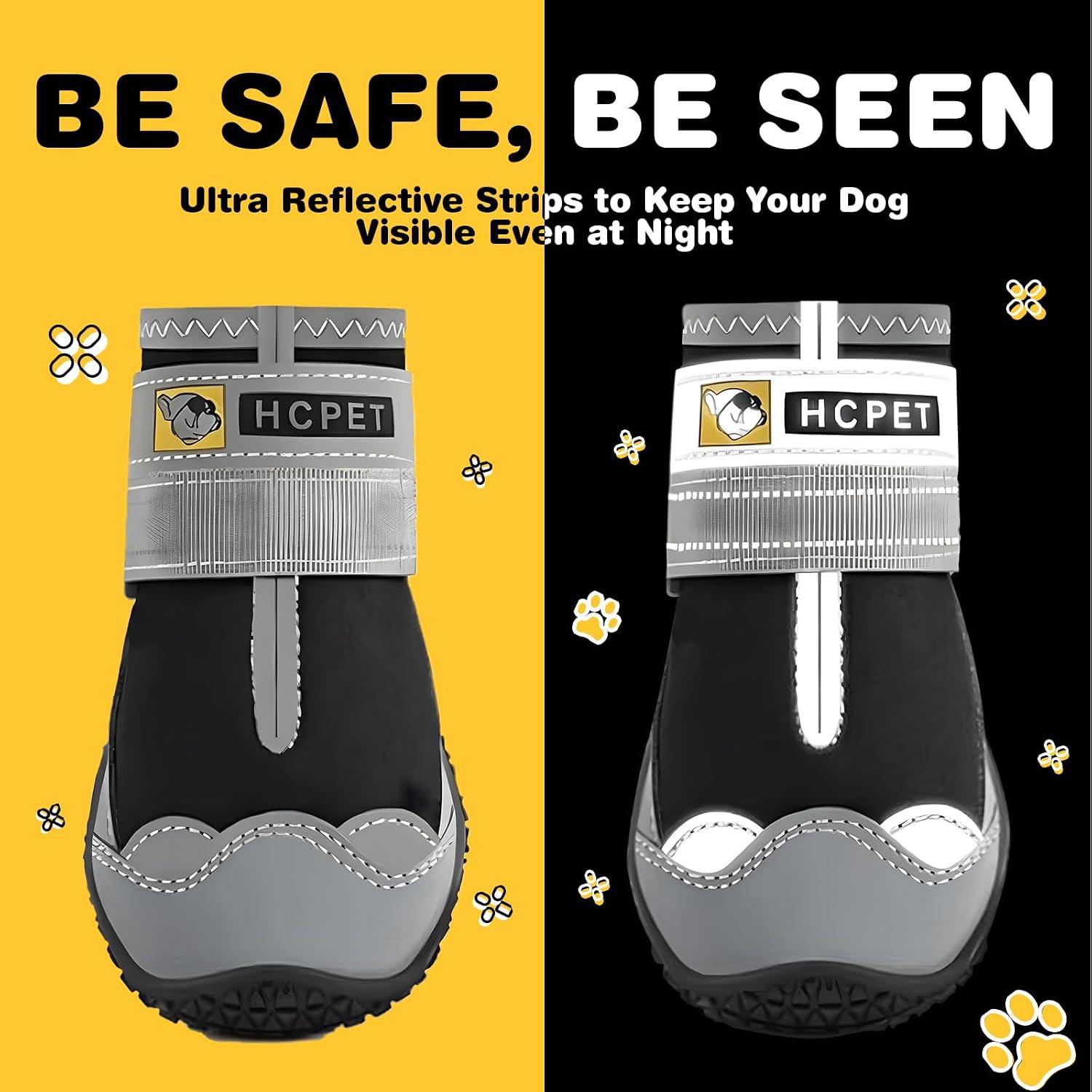
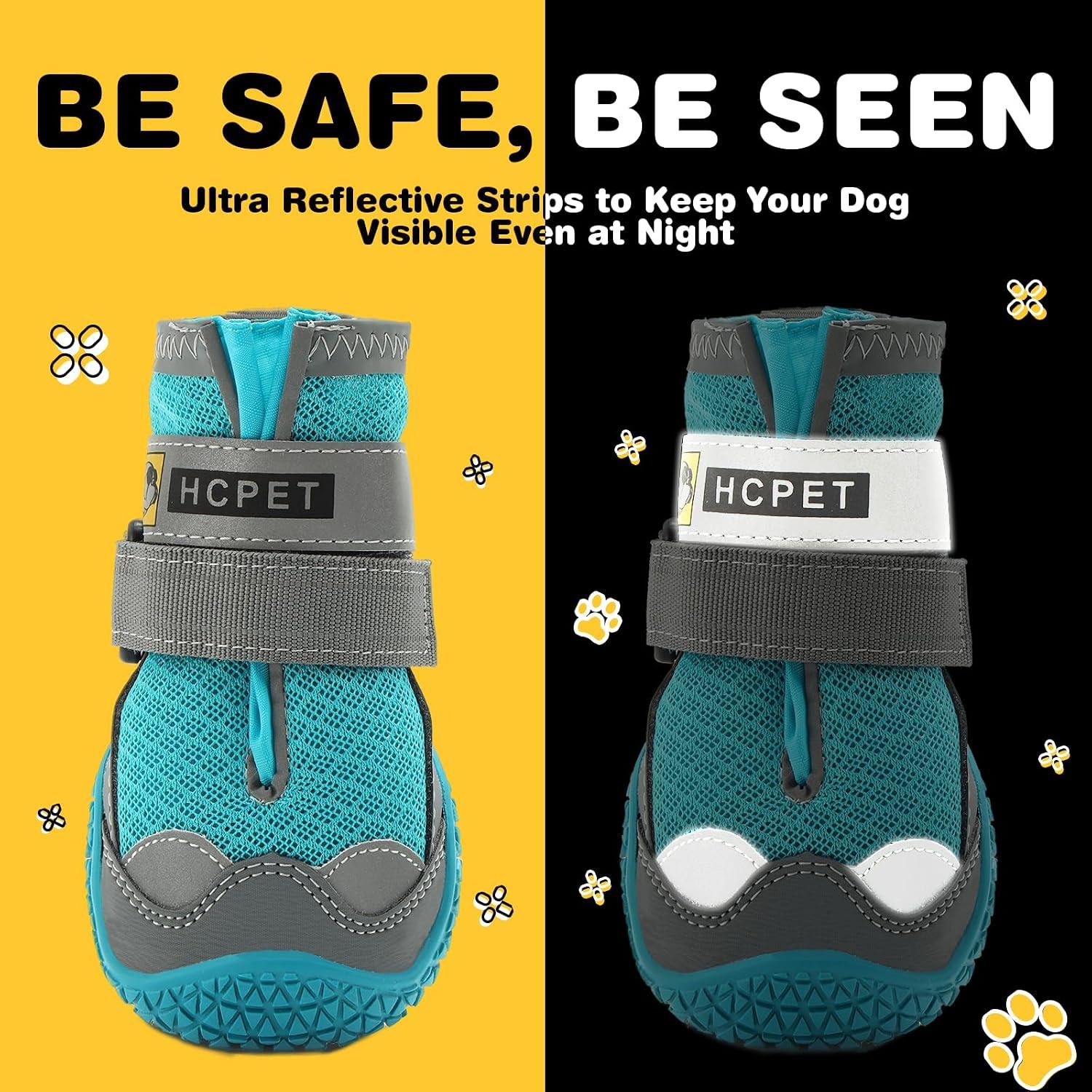
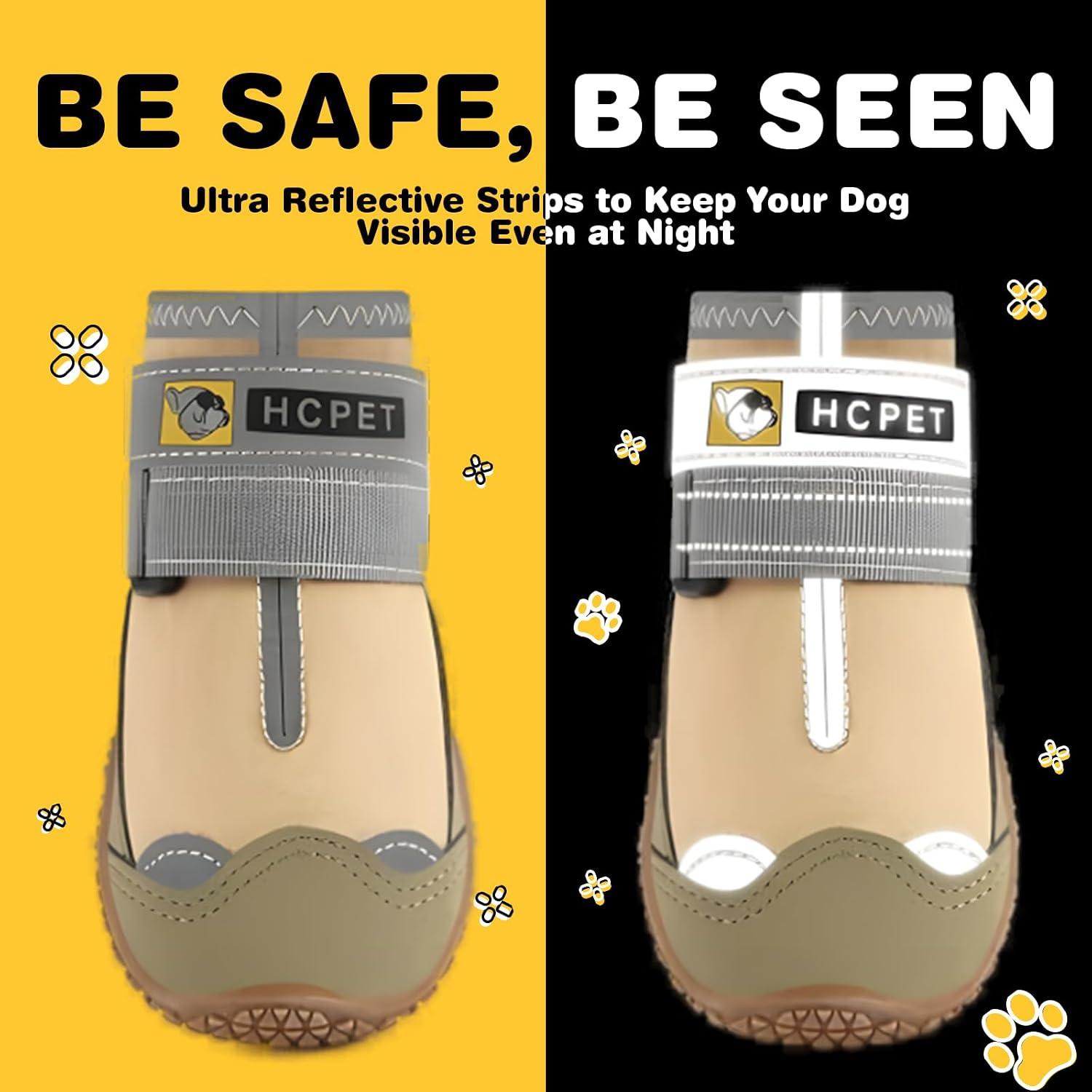
Next, the sole should provide excellent grip and durability. Look for non-slip,rubberized soles that provide traction on icy or slick surfaces,preventing your dog from slipping.Adjustable fastenings like Velcro straps help secure the boots firmly without causing discomfort or being too tight. Reflective elements are also a great safety feature for early morning or evening walks during darker winter months.
fit is another critical consideration. Boots that are too tight can restrict movement and circulation, while ones that are too loose may fall off easily. Measure your dog’s paws carefully before purchasing and look for brands that offer a range of sizes and shapes to find the best match. Introducing boots gradually can definitely help your dog get accustomed to wearing them.
Our top Product Recommendations
How to Get Your Dog Comfortable With Boots
Introducing your dog to boots can require patience and positive reinforcement since it’s something new and different for them. Start by allowing your dog to sniff and explore the boots while rewarding them with treats and praise.Once your pet seems comfortable,gently put the boots on one paw at a time and let them walk indoors for short periods to adjust.
It’s critically importent to supervise your dog during initial use to ensure they don’t chew the boots or try to remove them. Gradually increase the time they wear the boots on walks outside, and continue to reward good behavior.make sure the boots fit well and do not restrict movement or cause discomfort. With consistent practice, most dogs quickly learn to enjoy wearing their protective footwear.
Remember, comfort and fit trump style alone. A happy dog wearing comfortable, functional boots will be more willing to wear them regularly throughout the winter months, keeping their paws safe and healthy.
Frequently Asked Questions
How do I measure my dog’s paws for boots?
To measure your dog’s paws accurately, place their paw on a piece of paper and press down to spread the toes naturally. Mark the width at the widest point of the paw and measure length from the back of the heel pad to the tip of the longest toe. Measure all four paws as there can be variation.Use these measurements to compare with the brand’s sizing chart for the best fit.
Can my dog wear boots all day?
While dog boots are excellent for protection, it is generally not recommended for dogs to wear them all day, especially indoors. Boots can sometimes cause overheating or discomfort if worn for prolonged periods without breaks.Use boots primarily for outdoor walks and remove them once back inside to let your dog’s paws breathe.
What should I do if my dog tries to chew their boots?
If your dog tries to chew their boots, try distracting them with toys or treats when putting boots on. Ensure boots fit properly and do not cause irritation. Gradually introduce boots with short wearing periods and provide positive reinforcement. Many dogs grow out of this behavior as they get used to the new sensation.
Conclusion
Choosing the best dog boots for winter is an essential step in protecting your pet’s paws from harsh weather and harmful ground conditions. With the right boots, your dog can enjoy outdoor winter activities comfortably and safely. Remember to prioritize features such as waterproofing, insulation, traction, and fit to get the most out of your investment.
Our top product picks combine durability, style, and functionality to suit different dog breeds and sizes. By gradually introducing boots and rewarding your pet, you can help them overcome any hesitation and ensure their paws stay cozy and protected all winter long. Stay proactive this season and give your beloved companion the paw protection they deserve.