Introduction
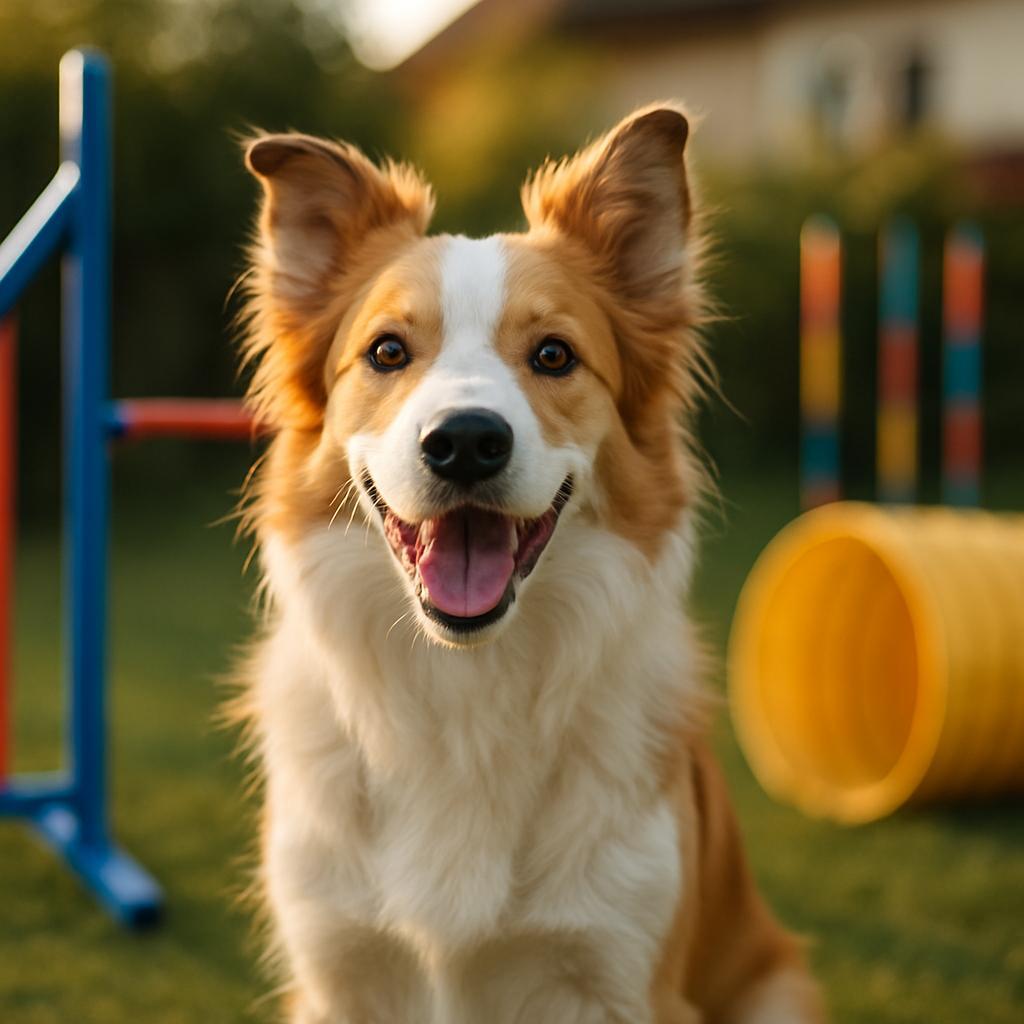
Dog agility is a fantastic way to provide your furry friend with physical exercise, mental stimulation, and a strengthened bond between you both. Training agility skills in your own backyard offers convenience and teh chance to tailor the course to your dog’s abilities, making it a fun and rewarding experiance for both pets and owners.
Whether you have a high-energy pup or just want to introduce your dog to light activity,investing in the best dog agility equipment for backyard use is key. From hurdles to tunnels and weave poles, the right gear can transform your outdoor space into a playful training ground that keeps your dog engaged and healthy.
essential Dog Agility Equipment for Backyard Training
When setting up an agility course in your backyard, the type of equipment you choose matters a lot. Essential items like agility tunnels, weave poles, and adjustable hurdles help introduce your dog to various movements and challenges. These pieces encourage agility, speed, balance, and coordination, all important facets of canine fitness.
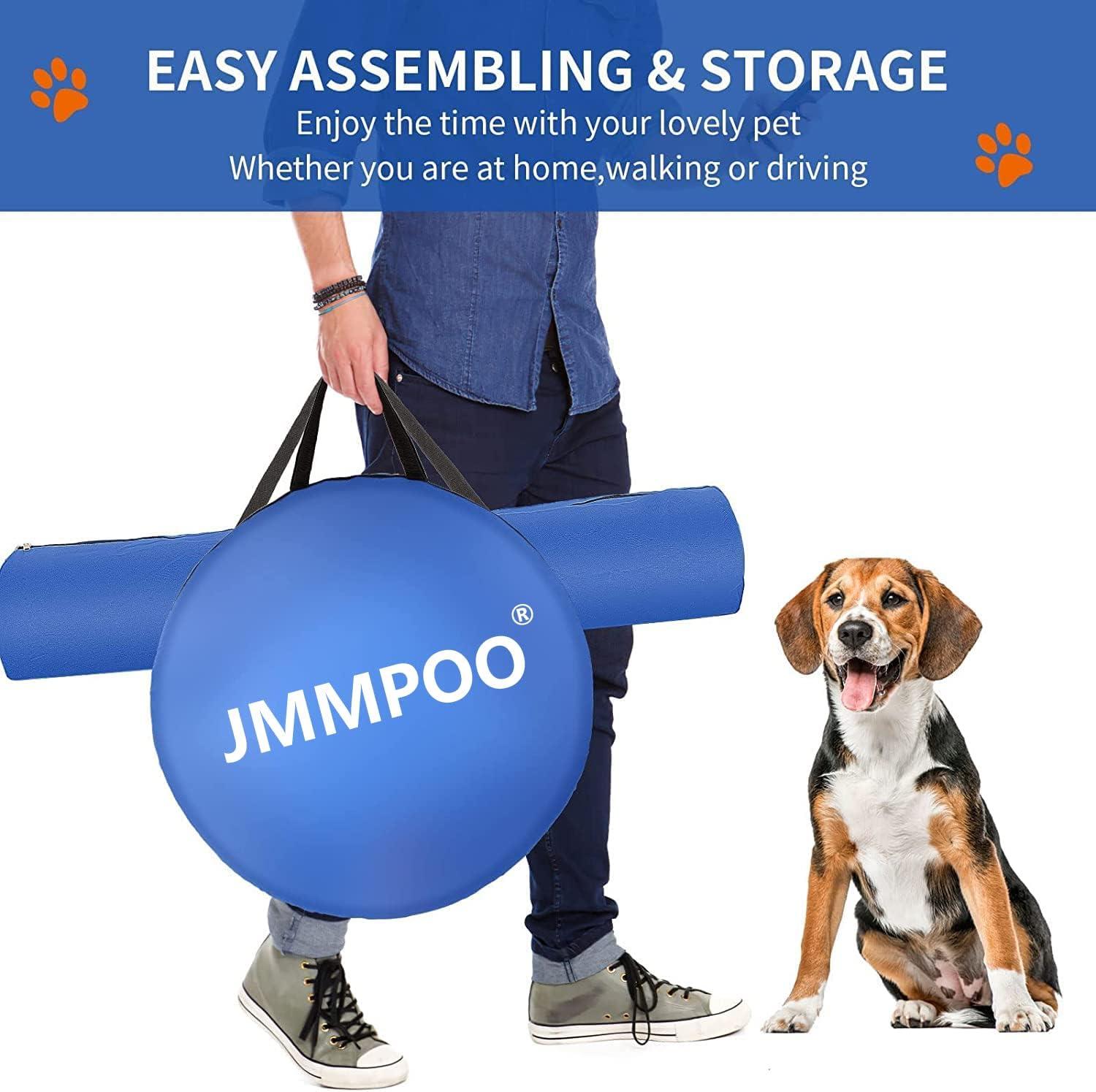
Backyard agility kits typically feature lightweight, portable materials that can be easily assembled and rearranged. This adaptability allows you to create multiple exercise routines and progressively increase the difficulty as your dog’s skills improve. Additionally, considering the size and breed of your dog will help you pick equipment that suits their physical build and training level.
Durability and safety are top priorities-look for equipment with stable bases, non-slip surfaces, and no sharp edges to reduce injury risks.Materials like high-quality plastic or reinforced nylon offer both sturdiness and weather resistance so your setup lasts through different seasons.
Benefits of Backyard Dog Agility Training
Training your dog with agility equipment right at home comes with many advantages. Regular practice improves your dog’s cardiovascular fitness and helps manage weight, especially for breeds prone to obesity. Mental enrichment is another critical benefit because agility courses require your dog to think quickly, follow commands, and problem-solve obstacles.
Home-based agility training strengthens the relationship between you and your dog through cooperative play and positive reinforcement. Dogs thrive on structured activity that channels their energy constructively, reducing boredom and unwanted behaviors like excessive barking or digging in the yard.
furthermore, a backyard agility course is easily accessible, allowing frequent and consistent sessions that reinforce training progress. You can also adapt your course layout as needed, catering to your dog’s learning pace and maintaining their interest over time.
Our Top Product Recommendations
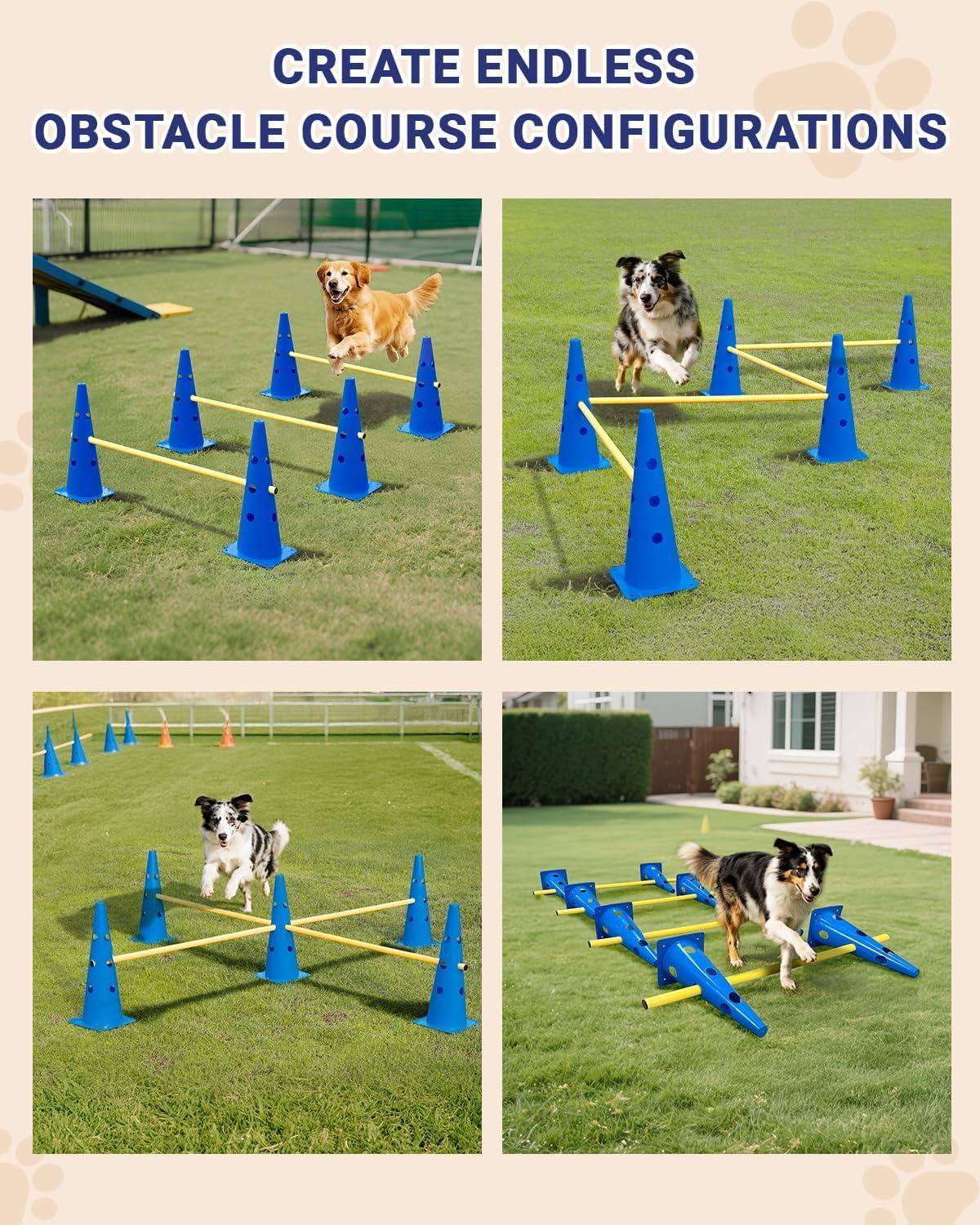
How to Choose the Right Agility Equipment for Your Dog
choosing the correct agility equipment depends on several factors including your dog’s size, breed, and agility training goals. For small breeds or beginners, lightweight and adjustable equipment like low hurdle bars and easy tunnels are perfect.Larger or more advanced dogs may require sturdier materials and taller obstacles to provide sufficient challenge.
Consider your backyard’s size and terrain when selecting equipment. Some items require flat surfaces, whereas others might potentially be more versatile across different types of ground. Portability is also important if you anticipate moving or storing equipment regularly.
Always ensure that any agility gear has safety features such as smooth edges, stable construction, and non-slip footing. Additionally,a kit that includes multiple obstacle types provides variety and keeps your dog mentally engaged.Investing time to test different setups will help you find the perfect combination suited to your dog’s unique athleticism.
Frequently Asked Questions
What is the best age to start dog agility training?
Most dogs can begin basic agility training from around 12 to 18 months old, once their bones and joints have developed properly. Puppies under six months should avoid high-impact jumping but can still engage with low-impact activities like tunnels and weaving games to build confidence and coordination.
How often should I train my dog on agility equipment?
Consistency is key with agility training. Aim for short sessions of 10-20 minutes, 3 to 4 times a week. This frequency helps maintain your dog’s enthusiasm while preventing fatigue or overexertion. As your dog progresses, you can gradually increase the session duration and the difficulty of obstacles.
Can all dog breeds do agility training?
Almost all dog breeds can participate in some form of agility training, though the type and intensity of obstacles may vary. Smaller and less athletic breeds might focus on low-impact activities, while high-energy breeds often excel at fast-paced courses. Always tailor the training to your dog’s physical condition and consult your vet if you have any concerns.
Conclusion
Setting up the best dog agility equipment in your backyard is a fantastic way to keep your dog physically fit,mentally sharp,and happy. With a variety of beginner to advanced training tools available, you can create a customized course that suits your dog’s needs and your outdoor space.
By integrating agility training into your routine, you not only improve your dog’s health and skills but also deepen the bond between you. Remember to prioritize safety, choose durable equipment, and keep training sessions fun. Your dog will thank you with wagging tails and joyful leaps!