
Introduction
Managing diabetes in dogs can be a challenging journey for pet owners, but with the right nutritional support, you can help maintain your furry friend’s blood sugar levels effectively. Diet plays a crucial role in controlling diabetes, and choosing the best dog food formulated specifically for diabetic dogs is essential for their overall health and well-being.
In this blog post, we will explore the top best dog food options that are specially designed to support diabetic dogs. From understanding what ingredients to look for to our top product recommendations, this guide will help you make informed decisions to keep your diabetic dog healthy and happy.
Understanding the Nutritional Needs of Diabetic Dogs
Diabetic dogs require a balanced diet that helps regulate blood glucose levels without causing spikes or drops. A primary focus is on the right balance of protein, fat, and carbohydrates, especially complex carbohydrates that digest slowly, preventing sudden increases in blood sugar. Unlike regular dog food, diabetic diets often emphasize low glycemic index ingredients to support steady energy levels throughout the day.
Additionally, fiber content is a key factor as it helps slow glucose absorption in the bloodstream and supports digestive health. Many veterinary professionals also recommend moderate to high protein levels to aid in maintaining lean body mass, crucial for diabetic dogs, which often struggle with weight issues. carefully formulated dog foods that address these needs can make diabetes management smoother and more effective.
Key Ingredients to Look for in Diabetic Dog Food
When selecting the best dog food for diabetic dogs, it’s significant to pay close attention to the ingredient list and nutritional breakdown.Look for foods that are rich in high-quality protein sources such as chicken, turkey, or fish, which help promote muscle maintainance without excess carbohydrates.
Complex carbohydrates like sweet potatoes, barley, and brown rice should be prioritized over simple sugars and fillers such as corn or wheat, which can cause blood sugar spikes. Additionally, a significant amount of soluble and insoluble fiber supports slow digestion and improved blood sugar control.
Omega-3 fatty acids from fish oils or flaxseed are often included in diabetic dog formulas to reduce inflammation and support overall cardiovascular health. vitamins and minerals must also be balanced, particularly those involved in metabolism such as chromium and zinc, to help your dog make the most out of their diet.
Our Top Product Recommendations
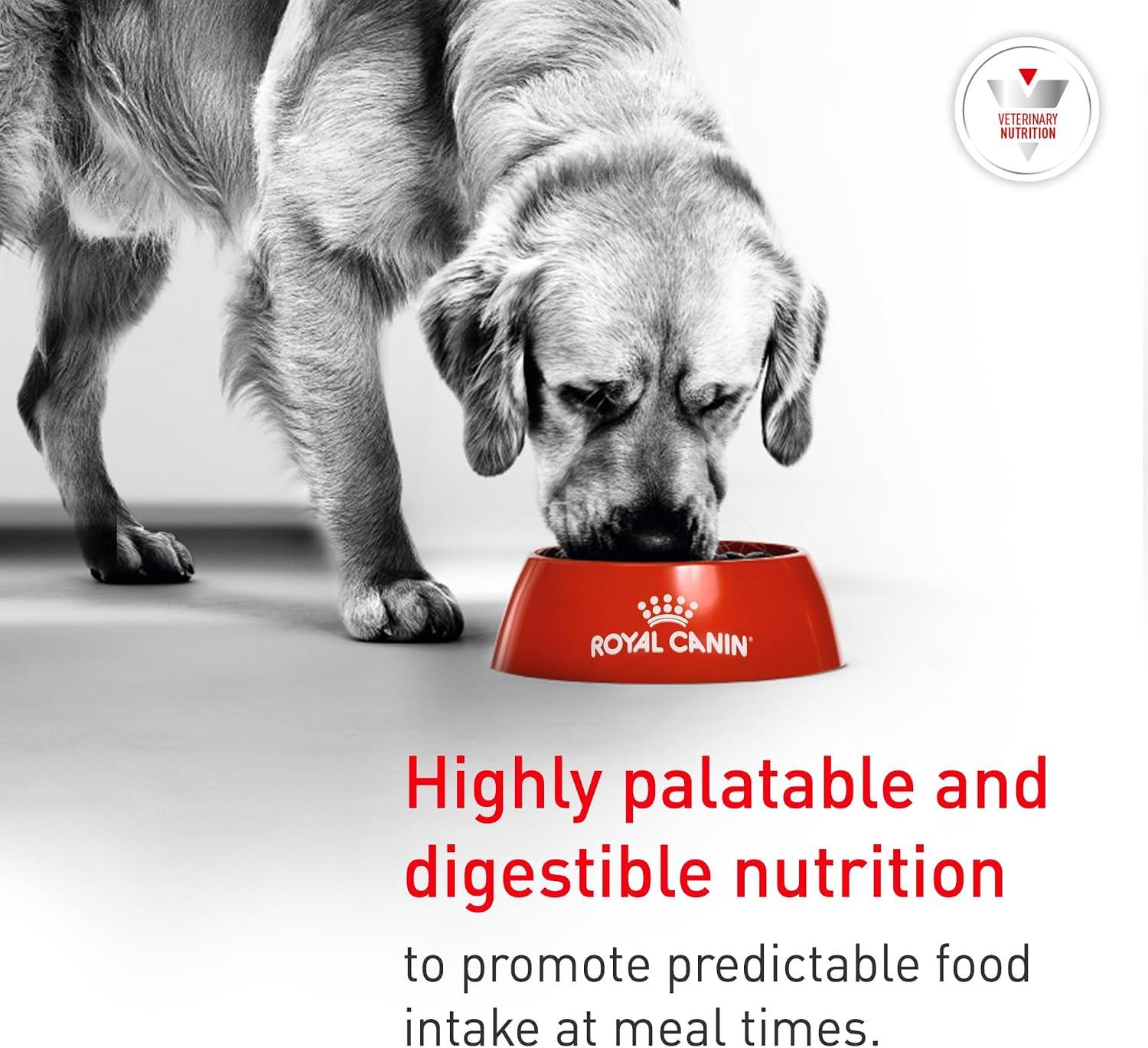

Tips to Transition Your Dog to Diabetic Food Smoothly
changing your dog’s diet to a diabetic-specific formula requires patience and care to avoid digestive upset and ensure acceptance. Start by mixing a small amount of the new diabetic dog food with their current food, gradually increasing the new food portion over 7 to 10 days.this gradual transition allows your dog’s digestive system to adjust without discomfort.
Observe your dog’s response to the new diet closely, noting any changes in appetite, stool quality, or energy levels. If your dog shows difficulty eating the food, try warming it slightly or adding a small amount of low-sodium broth to entice them.
It’s also critically important to maintain consistent feeding times to help regulate blood sugar levels accurately and consult your veterinarian throughout the process to monitor your dog’s health and make adjustments as needed.
Frequently Asked Questions
Can homemade food be a good option for diabetic dogs?
Homemade food can be a viable option, but it requires careful planning and consultation with your veterinarian or a pet nutritionist. Balancing protein, fiber, and carbohydrates appropriately is critical for managing diabetes, and homemade diets must ensure nutrient completeness to avoid deficiencies.
How often should I feed my diabetic dog?
Most veterinarians recommend feeding diabetic dogs two to three small meals per day at regularly scheduled times. This feeding routine helps stabilize blood sugar levels and improves the effectiveness of insulin treatment if your dog is on medication.
Is it necessary to buy prescription diabetic dog food?
Prescription diabetic dog foods are formulated to meet the specific needs of diabetic dogs and are frequently enough the best choice for managing blood sugar effectively. However, some high-quality, low-glycemic commercial dog foods may also work well. Always consult your vet before making dietary changes.
Conclusion
Caring for a diabetic dog requires dedication, especially when it comes to nutrition. The best dog foods for diabetic dogs are those that provide balanced, low-glycemic ingredients with high-quality protein and fiber to maintain steady blood sugar levels. Selecting the right food and transitioning carefully can greatly improve your dog’s quality of life and support effective diabetes management.
remember that alongside feeding the best diabetic dog food, regular vet check-ups and consistent exercise are essential parts of the overall health strategy.with thoughtful care and the right diet, your diabetic dog can enjoy a happy, active life.