Introduction
Switching your dog to a raw diet can be a transformative experience for both you and your furry friend. Many dog owners are turning to raw feeding because it closely mimics the natural diet of wild canines, often resulting in improved digestion, shinier coats, higher energy levels, and better overall health. Though, starting a raw diet requires proper knowledge and planning to ensure safety and nutritional balance.
In this beginner’s guide, we’ll walk you through everything you need to know about the best raw diet for dogs. From the basics of raw feeding to recommended food combinations and safety precautions, this post will equip you with tips on how to transition your dog effectively and confidently. Whether you’re a first-time raw feeder or just exploring the option, this guide is tailored to help you get started safely and effectively.
Understanding the Basics of a Raw diet for Dogs
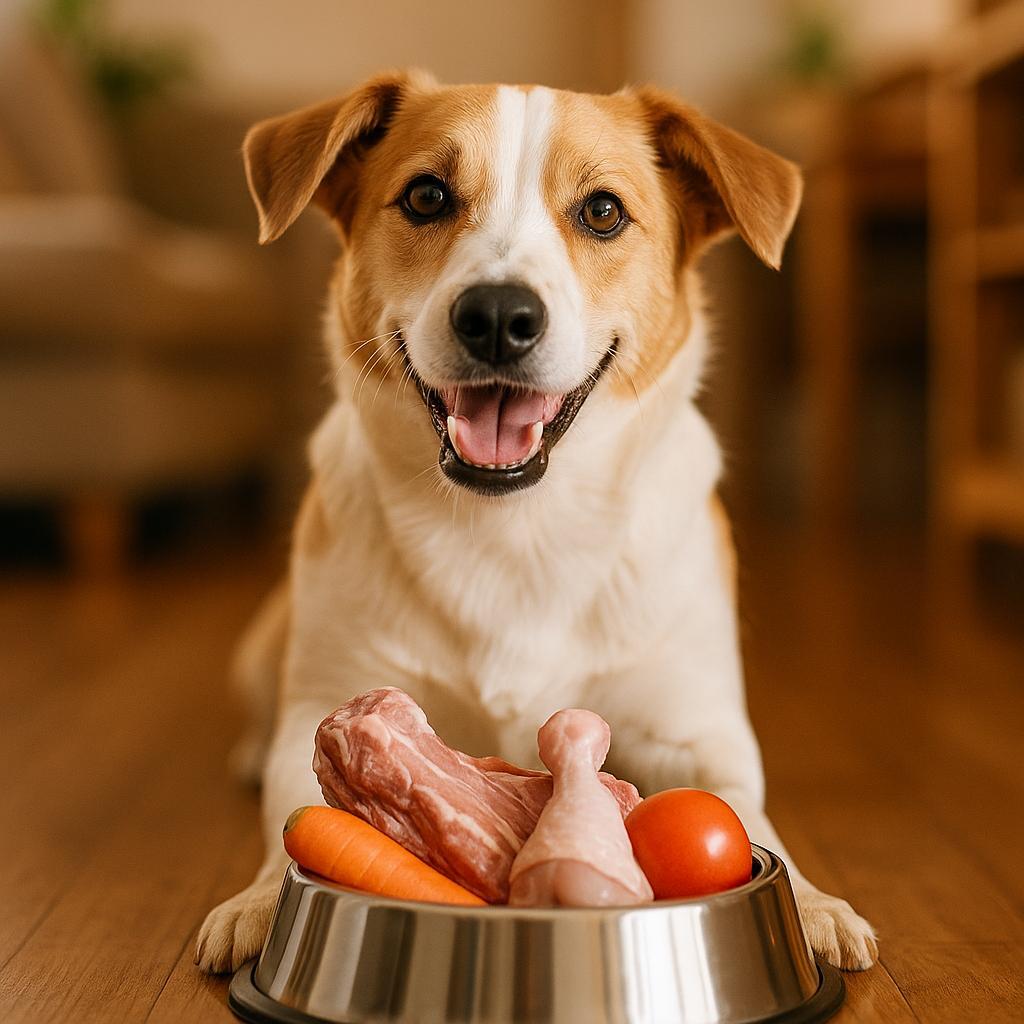
A raw diet for dogs typically consists of uncooked meat, bones, fruits, vegetables, and sometimes dairy or eggs, aiming to replicate the natural diet of wild ancestors. This diet is nutrient-dense and generally free of fillers, preservatives, and artificial additives commonly found in commercial dog foods. Raw feeding can help dogs with allergies, digestive issues, and certain skin conditions, while also promoting healthier teeth and gums through natural chewing of raw meaty bones.
For beginners, understanding the components of a raw diet is critical to avoiding nutritional imbalances. A balanced raw diet often follows a ratio of approximately 80% muscle meat, 10% bone, and 10% organ meat, combined with small amounts of fruits, vegetables, or supplements when needed. Starting with simple recipes and gradually diversifying protein sources helps ensure your dog gets a well-rounded diet.
Before switching, it’s always wise to consult your veterinarian, especially if your dog has existing health conditions. Proper hygiene and food safety practices are also essential when handling raw meat to protect both you and your pet from potential pathogens.
How to Safely Transition your Dog to a Raw Diet
Transitioning your dog to a raw diet is not an overnight process-it requires patience and observation to ensure your dog adapts well and stays healthy. Begin by introducing small portions of raw food mixed with their current diet to observe tolerance. Gradually increase the raw portions over 7 to 10 days while decreasing the existing food.
Monitor your dog closely for any signs of digestive upset such as diarrhea, vomiting, or loss of appetite. These symptoms may indicate that the transition is to fast or that certain ingredients do not agree with your dog’s system. Adjust the transition speed accordingly and consider modifying the diet composition if needed.
Maintaining good hygiene during preparation is vital. Always wash your hands thoroughly after handling raw meat, clean your dog’s feeding area regularly, and store raw food safely to prevent cross-contamination. Using high-quality meat sourced from reputable suppliers reduces the risk of bacterial contamination.
Our Top Product Recommendations
Note: The following are trusted products to support your dog’s raw diet journey.
Stella & Chewy’s Freeze-Dried Raw Dinner
This product offers convenient, nutrient-rich freeze-dried raw meals made with high-quality meat and organs. Ideal for transitioning dogs or supplementing homemade raw food.
Primal Freeze-Dried Nuggets
Primal’s freeze-dried raw nuggets are made with pasture-raised meats and are perfect for those starting out with raw diets, providing a balanced blend of protein, organs, and bone.
nature’s Variety Instinct Raw Boost
These raw-coated kibble blends help ease the transition from traditional kibble to raw feeding, featuring a mix of probiotics, antioxidants, and raw meat ingredients.
Key Benefits and Common Challenges of Feeding Raw
one of the biggest benefits of feeding your dog a raw diet is the noticeable betterment in digestive health. Many dogs experience less stool volume and odor, improved nutrient absorption, and fewer allergy symptoms. Additionally,raw diets promote cleaner teeth and healthier skin thanks to natural enzymes and oils found in fresh ingredients.
However, raw feeding does come with challenges. Ensuring your dog’s meals are nutritionally balanced requires research or consultation with a pet nutrition expert. Preparing raw meals can be time-consuming, and the risk of bacterial contamination makes hygiene critical. Some dogs may also be hesitant to transition due to the novelty of raw food textures and smells.
to overcome these challenges, start slowly, educate yourself on raw diet principles, and use high-quality ingredients or commercial raw meal options designed for balanced nutrition. Patience and consistent monitoring are key to accomplished raw feeding.
Frequently Asked Questions
Is a raw diet safe for all dogs?
While many dogs thrive on a raw diet,it may not be suitable for all,especially puppies,senior dogs,or those with compromised immune systems or certain medical conditions. Consulting your veterinarian before switching ensures your dog’s individual needs are considered and reduces health risks.
How do I prevent nutritional imbalances on a raw diet?
To prevent nutritional imbalances, follow established feeding ratios (typically 80% muscle meat, 10% bone, 10% organ meat) and include a variety of protein sources and organs. You can also incorporate supplements like fish oil, vitamin E, or probiotics. Consulting a veterinary nutritionist helps tailor a balanced meal plan for your dog.
Can raw diets cause health problems for humans handling the food?
Handling raw meat carries a risk of bacterial contamination like salmonella or E. coli for humans. to minimize risk,wash hands thoroughly after preparation,clean surfaces and bowls with hot soapy water,and store raw foods properly. Children, elderly, or immunocompromised individuals should avoid direct contact with raw pet food.
Conclusion
Starting a raw diet for your dog can dramatically enhance your pet’s well-being when done correctly. By understanding the fundamentals of raw feeding,transitioning slowly and safely,and prioritizing balanced nutrition and hygiene,you’ll set your dog up for success on this natural eating plan. Always remember that every dog is unique, so ongoing observation and consultation with a veterinary professional are significant during this lifestyle change.
With the right tools and knowledge, feeding a raw diet can be a rewarding and healthy choice for your furry companion, leading to a happier and more energetic dog for years to come.