Introduction
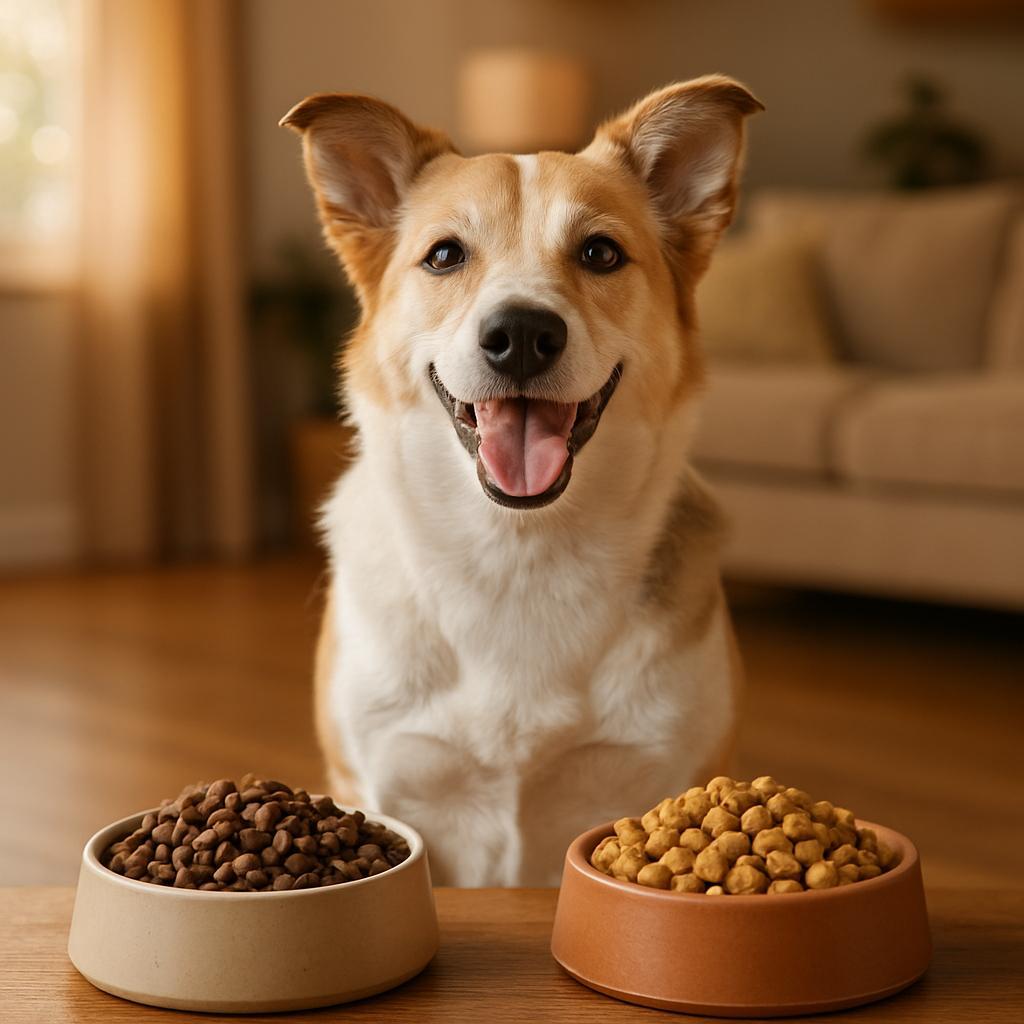
Choosing the right food for your furry friend can frequently enough feel overwhelming with the many options available on the market.Among these choices, one of the hottest debates among dog owners and veterinarians is whether to feed your dog grain free or grain inclusive dog food. Each type offers distinct benefits and considerations, so understanding the differences is crucial for making the best decision for your pet’s health and happiness.
In this blog post, we’ll dive deep into the pros and cons of grain free versus grain inclusive dog food, helping you navigate the facts, myths, and recommendations so you can confidently pick a diet that suits your dog’s unique needs. whether your pup has particular health concerns, or you just want to optimize their nutrition, this guide covers everything you need to no.
Understanding grain Free vs Grain Inclusive Dog Food
Grain inclusive dog foods contain grains such as corn, wheat, barley, oats, and rice as part of their ingredients.These grains serve as sources of carbohydrates, fiber, and some essential nutrients. Grain free dog foods, conversely, exclude these traditional grains and often substitute them with alternative carbohydrate sources like potatoes, peas, lentils, or other legumes.
One of the biggest reasons pet owners consider grain free diets is due to concerns over grain allergies or sensitivities in dogs. While true grain allergies are quite rare, some dogs may have difficulty digesting grains or have other dietary restrictions where grains are limited or avoided. In such cases, a grain free formula may provide relief from digestive issues or skin problems.
However, it’s crucial to note that grains themselves provide beneficial nutrients such as B vitamins, fiber, and antioxidants. Thus, many high-quality grain inclusive dog foods use whole grains and carefully balanced recipes to support optimal health rather than being a filler ingredient. Understanding the role of grains in a dog’s diet can definitely help unravel the confusion surrounding these options.
The Benefits and Potential Drawbacks of Each Option
Grain free dog foods are often promoted as a more “natural” or ancestral diet for dogs since their wild ancestors did not consume grains. They tend to be higher in protein and sometimes fat, which supports muscle maintenance and energy. Grain free diets can also be ideal for dogs with known allergies or sensitivities; removing grains can sometimes reduce gastrointestinal upset or skin irritation.
Nevertheless, grain free diets are not necessarily better for every dog. In recent years, some concerns have been raised about a potential link between grain free diets and canine dilated cardiomyopathy (DCM), a serious heart condition. While research is ongoing,veterinary experts advise that grain free foods should be chosen carefully,especially if they are heavily reliant on peas,lentils,or exotic ingredients without sufficient essential nutrients directly related to heart health.
Grain inclusive dog foods are generally considered safe and nutritionally complete for the majority of dogs. The inclusion of grains adds dietary fiber, which is beneficial for digestive health, and provides an affordable source of energy. Dogs that do not have specific dietary restrictions or allergies may thrive on a balanced grain inclusive diet. Though, low-quality grain inclusive foods that include excessive fillers or by-products can be less healthy, so ingredient quality is crucial.
Our Top Product Recommendations
Blue Buffalo Life Protection Formula Natural Adult Dry Dog Food
This grain inclusive option features high-quality whole grains such as brown rice and barley, along with real chicken for protein. It has antioxidants and omega fatty acids to promote skin and coat health.
Merrick Grain Free Dry Dog Food
Merrick offers a grain free formula with deboned meat and a blend of veggies and fruits for natural nutrients. It’s designed to support lean muscle mass and a healthy immune system.
Wellness CORE Grain Free Dry Dog Food
Wellness CORE is a premium grain free choice with high protein content and no fillers. It contains natural probiotics and antioxidants for digestive and overall health support.
How to Choose the Right Food for Your Dog
Choosing between grain free and grain inclusive dog food starts with understanding your dog’s individual health status,lifestyle,and preferences. Consulting your veterinarian is the best first step, especially if your dog has known allergies, digestive issues, or other health complications.
Observe how your dog responds to their current diet. Signs such as consistent scratching, ear infections, upset stomach, or changes in energy could signal a need for dietary adjustments. Though, bear in mind that these symptoms might not always be related to grains and could stem from other allergens or ingredients.
read ingredient labels carefully. Regardless of grain free or grain inclusive, prioritize brands that provide balanced nutrition, quality protein sources, and minimal fillers or artificial additives. A well-formulated diet that meets the standards set by AAFCO (Association of American Feed Control Officials) ensures your pet gets appropriate nutrition.
Frequently Asked Questions
Is grain free dog food better for dogs with allergies?
Grain free dog food can be beneficial for dogs that have documented grain allergies or sensitivities, but true grain allergies are rare. Sometimes other proteins or ingredients cause allergic reactions. it’s critically important to identify the actual cause through veterinary testing before switching diets.
Can grains cause health problems in dogs?
For the majority of dogs, grains are a healthy component that provide fiber and essential nutrients. Issues generally arise from poor-quality grains or overfeeding. Dogs with certain medical conditions might require modified diets, but grains themselves are not inherently harmful.
Are grain free dog foods more expensive?
Yes, grain free dog foods tend to be more expensive due to specialty ingredients and smaller production scales. They may offer specific benefits that justify the cost for certain dogs, but grain inclusive options can also be affordable and nutritionally complete when chosen wisely.
Conclusion
Deciding between grain free and grain inclusive dog food depends on your dog’s unique health needs and preferences. Both options can contribute to a balanced, nutritious diet when you choose quality products and monitor your pet’s wellbeing. Always consult with your veterinarian when considering notable diet changes,especially if your dog has allergies or health concerns.
Ultimately, the best dog food is one that supports your furry friend’s overall health, energy, and happiness-whether that includes grains or not. With the right knowledge and guidance, you can make an informed choice that keeps your pet thriving for years to come.