Introduction
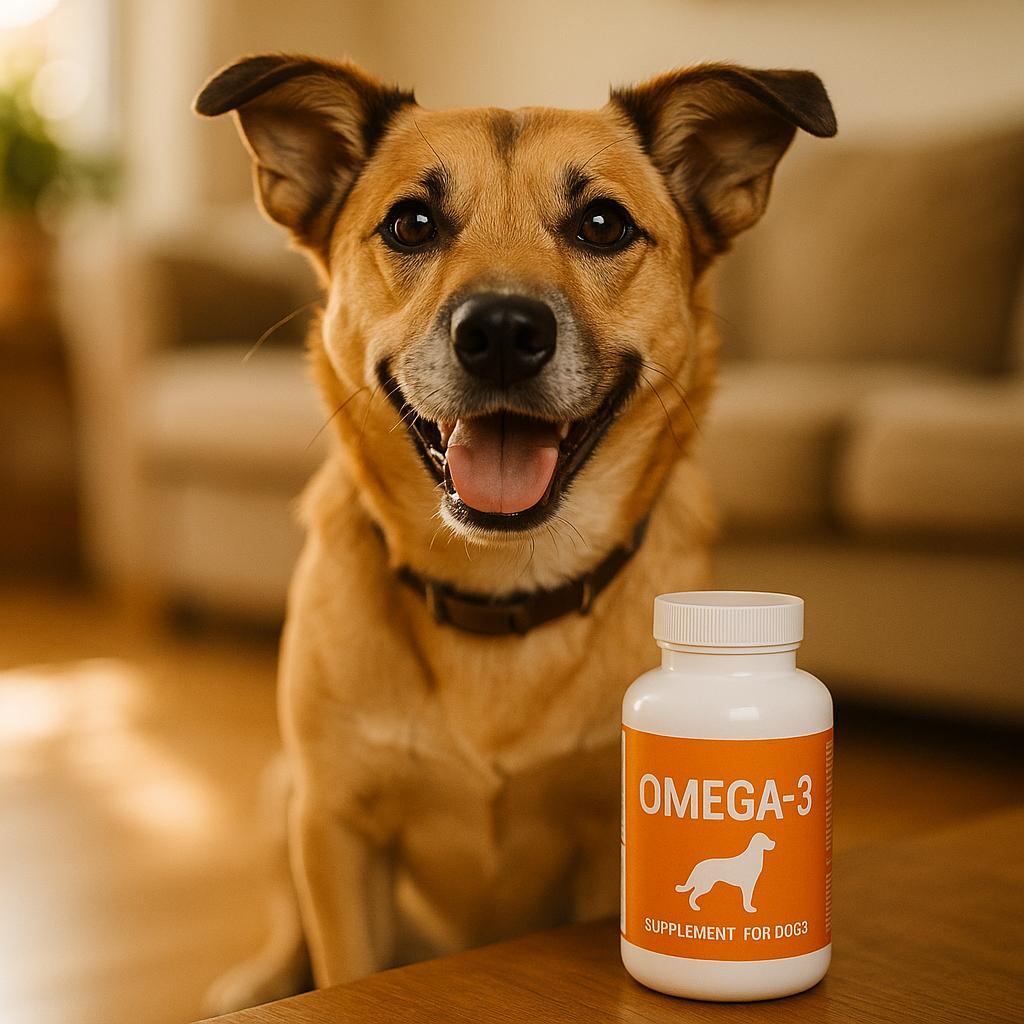
As a devoted dog owner,you wont nothing but the best for your furry friend’s health and happiness. One of the most beneficial supplements you can add to your dog’s diet is Omega-3 fatty acids. These essential fats play a vital role in supporting your dog’s overall wellbeing,including their skin,coat,joints,and heart health.
In this comprehensive guide, we’ll explore the top Omega-3 supplements for dogs, how they benefit your pet, and what to look for when choosing the right product. Whether your dog is a playful puppy or a distinguished senior, boosting their Omega-3 intake can lead to a happier, healthier life.
The Benefits of Omega-3 Supplements for Dogs
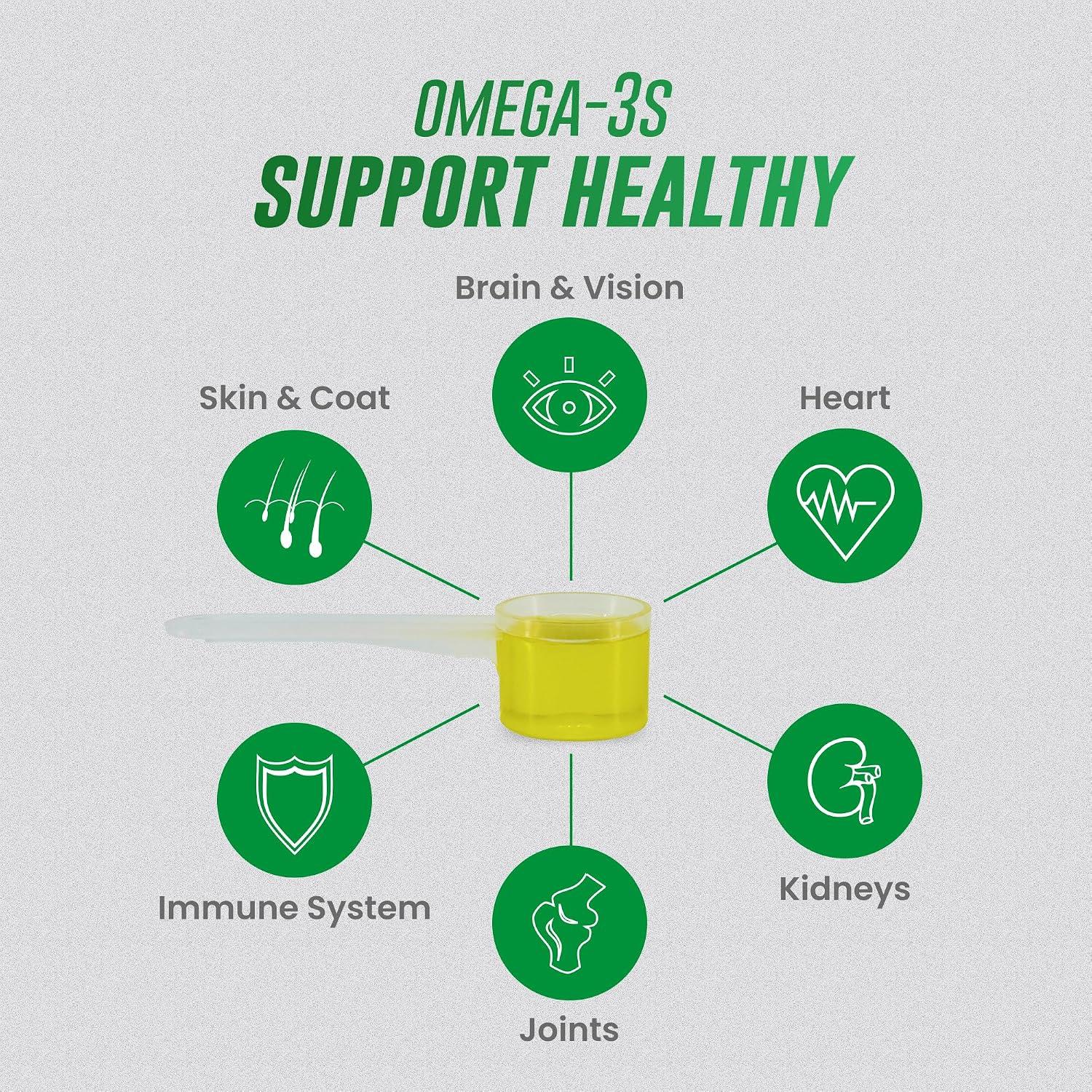
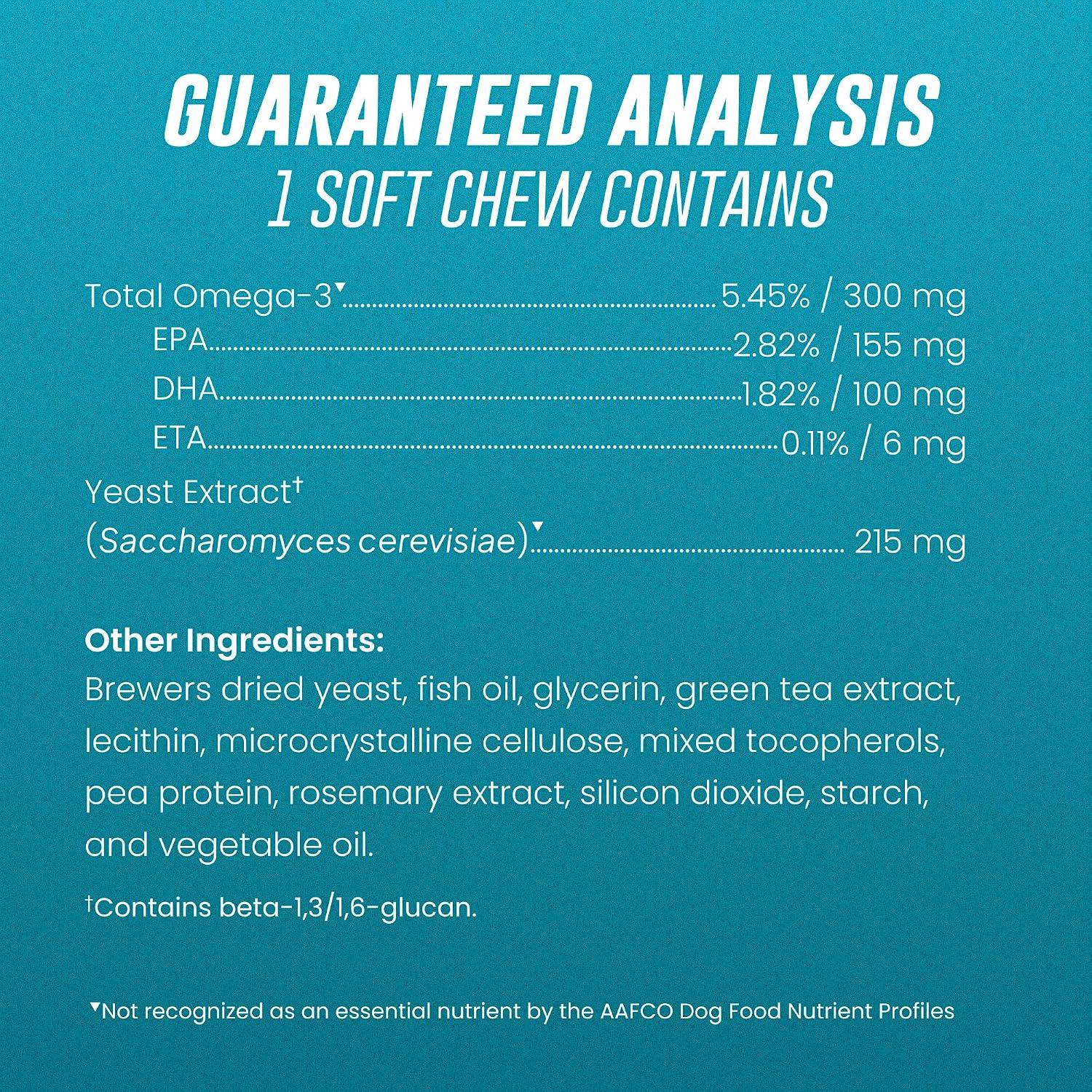
Omega-3 fatty acids are critical nutrients that can sometimes be lacking in a dog’s diet, especially if they do not eat a varied or balanced meal. These fatty acids, primarily EPA (eicosapentaenoic acid) and DHA (docosahexaenoic acid), support various bodily functions, including reducing inflammation, promoting brain health, and supporting the immune system.
For dogs, Omega-3 supplements are notably beneficial for maintaining a glossy, soft coat and healthy skin. Dogs suffering from eczema, allergies, or dry skin frequently enough show betterment with regular Omega-3 supplementation. Furthermore, these fatty acids help reduce joint stiffness and soreness, making them ideal for dogs with arthritis or mobility issues.
In addition, Omega-3 supports cardiovascular health and can contribute to improved cognitive function, which is essential for aging dogs. by adding Omega-3 supplements to your dog’s daily regimen,you’re investing in their long-term health and vitality.
How to choose the Best Omega-3 Supplements for Your Dog
When selecting an Omega-3 supplement for your dog, quality and purity are paramount. Look for products that use natural sources such as fish oil derived from salmon, anchovies, or sardines, as these provide high concentrations of EPA and DHA.Make sure the product undergoes third-party testing to ensure it is free from heavy metals, toxins, and contaminants.
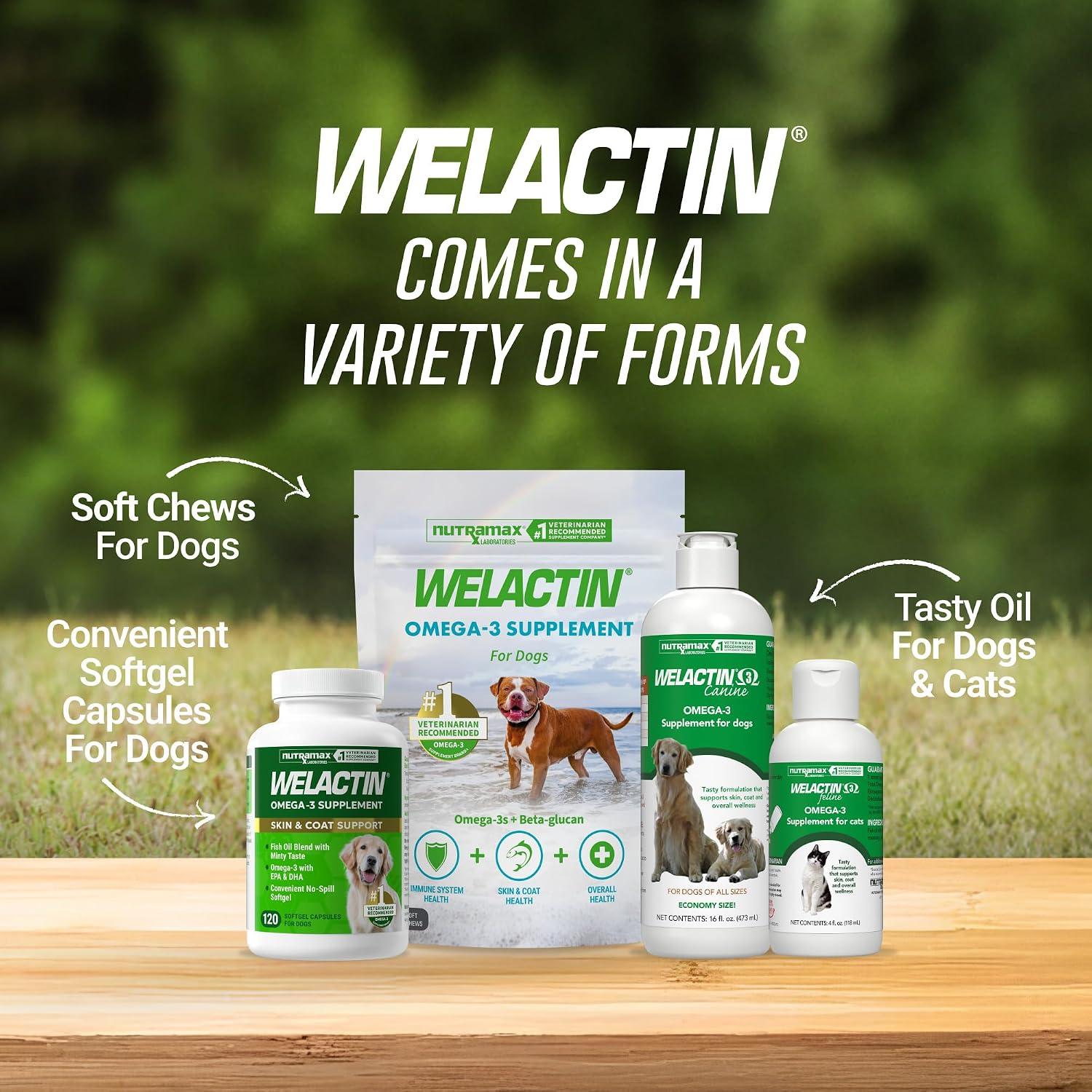
Another vital consideration is the supplement’s form and ease of administration.Some dogs prefer liquid oils that can be mixed with food, while others might find soft chews or capsules more appealing. Always choose a supplement that fits your dog’s preferences and lifestyle.
Lastly, check the dosage instructions carefully based on your dog’s weight and consult your veterinarian before starting any new supplement. This ensures that the Omega-3 dosage is optimal and safe for your dog’s specific health needs.
Our Top Product Recommendations
How to Safely Incorporate Omega-3 Supplements into Your Dog’s Routine
Introducing any new supplement to your dog should be done gradually to monitor for any adverse reactions. Start with a smaller dose than recommended and observe your dog’s response over the first week. If you notice stomach upset, loose stools, or other symptoms, consult your veterinarian immediately.
it is also importent to maintain a balanced diet alongside Omega-3 supplementation. Supplements are not a substitute for high-quality dog food but rather a complement to enhance your dog’s nutrition. Keep fresh water available, and avoid adding too many supplements that could lead to nutrient imbalances.
Consistency is key to seeing the benefits of Omega-3 supplements. Provide the recommended dosage daily, and try to administer the supplement simultaneously occurring each day to build a routine. Always store supplements in a cool, dry place to preserve their potency and prevent spoilage.
Frequently Asked Questions
Can Omega-3 supplements help with my dog’s allergy symptoms?
Yes,Omega-3 fatty acids have natural anti-inflammatory properties that can help reduce skin irritation and inflammation caused by allergies. many dogs experience healthier skin and reduced itching with regular Omega-3 supplementation.
Are there any side effects of giving my dog omega-3 supplements?
Typically, Omega-3 supplements are safe when given at the recommended dose. However, excessive consumption can sometimes cause mild side effects such as diarrhea, vomiting, or an upset stomach. Always consult your vet for proper dosing guidelines.
What is the best form of Omega-3 supplement for dogs?
There is no one-size-fits-all answer as dogs may prefer different forms like liquid fish oil, soft chews, or capsules. The best form depends on your dog’s taste preferences and ease of administration. High-quality fish oil supplements with verified EPA and DHA content are ideal regardless of form.
Conclusion
Incorporating Omega-3 supplements into your dog’s daily routine can considerably enhance their overall health and quality of life. From improving coat condition and reducing joint discomfort to supporting brain and heart health,these essential fatty acids are a vital part of comprehensive pet care.
By choosing high-quality Omega-3 products and following the proper dosage and administration guidelines, you can ensure your dog enjoys the full benefits of these powerful nutrients. Consult with your veterinarian to tailor a supplement plan that best suits your furry friend’s needs and lifestyle.