Introduction
Dealing with a dog that eats poop, a behavior known as coprophagia, can be both frustrating and concerning for any dog owner. Not only is it unpleasant to witness, but it can also pose health risks to yoru beloved pet. Understanding why dogs engage in this habit and learning effective methods to stop it are essential steps to ensure your dog stays healthy and happy.
In this comprehensive guide, we will explore practical tips and solutions that can help you stop your dog from eating poop. Weather your dog is a puppy or an adult, these effective strategies will aid you in addressing this problem with kindness and consistency.
Understanding Why Dogs Eat Poop
Before diving into how to stop your dog from eating poop, it’s critically important to understand why this behavior happens in the first place. Dogs may eat feces due to nutritional deficiencies,boredom,anxiety,or simply because they like the taste or smell. Puppies often explore the world with their mouths and may develop this habit simply out of curiosity. Conversely, adult dogs might engage in coprophagia due to stress, a medical issue, or as they have learned the behavior from other dogs.
Identifying the underlying cause of coprophagia is vital for successful treatment. If your dog’s diet lacks essential nutrients, improving their nutrition can reduce the urge to eat poop. In cases of anxiety or boredom,providing mental stimulation and exercise can help divert their attention from this unwanted behavior.
Effective Training and Management Techniques
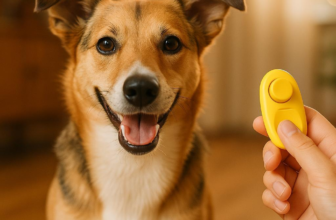
One of the most effective ways to stop your dog from eating poop is through consistent training combined with management techniques. Start by supervising your dog during potty times and instantly cleaning up feces to remove the temptation. Teaching your dog reliable commands such as “leave it” or “come” can help interrupt the behavior before it occurs.
Positive reinforcement is key when training your dog. Whenever your dog avoids or stops eating poop on command, reward them with treats, praise, or playtime. This reinforces the right behavior without causing fear or anxiety. Additionally, increasing exercise and playtime will reduce boredom, which often triggers coprophagia.
Our Top Product Recommendations
Dietary Adjustments and Supplements
Improving your dog’s diet is another crucial step to stop poop eating. Nutritional deficiencies or imbalances can lead dogs to eat feces in an attempt to get missing nutrients. Consult with your veterinarian to ensure your pet is getting a balanced diet rich in all essential vitamins and minerals. Sometimes, adding fiber to the diet or switching to high-quality dog food can make a big difference.
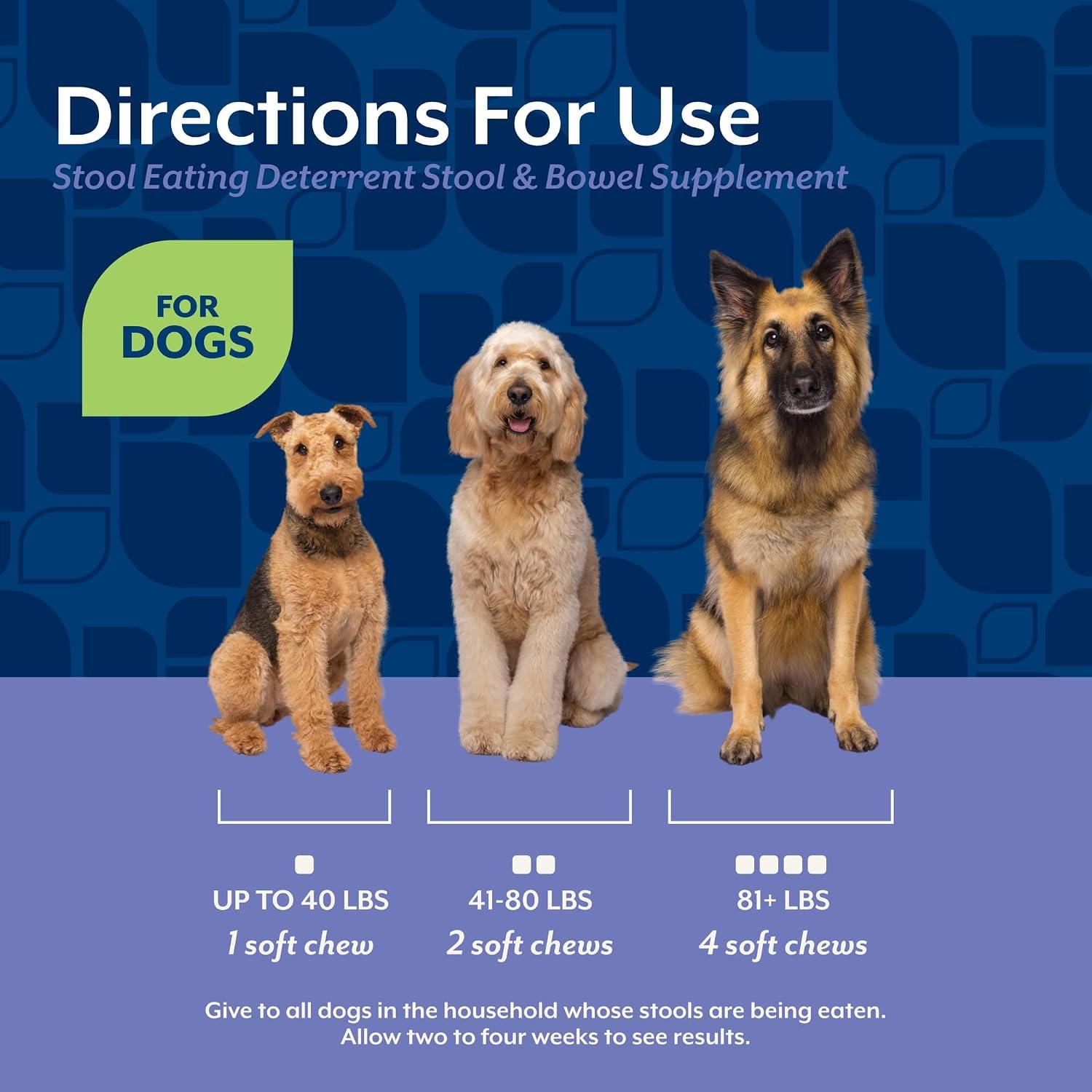
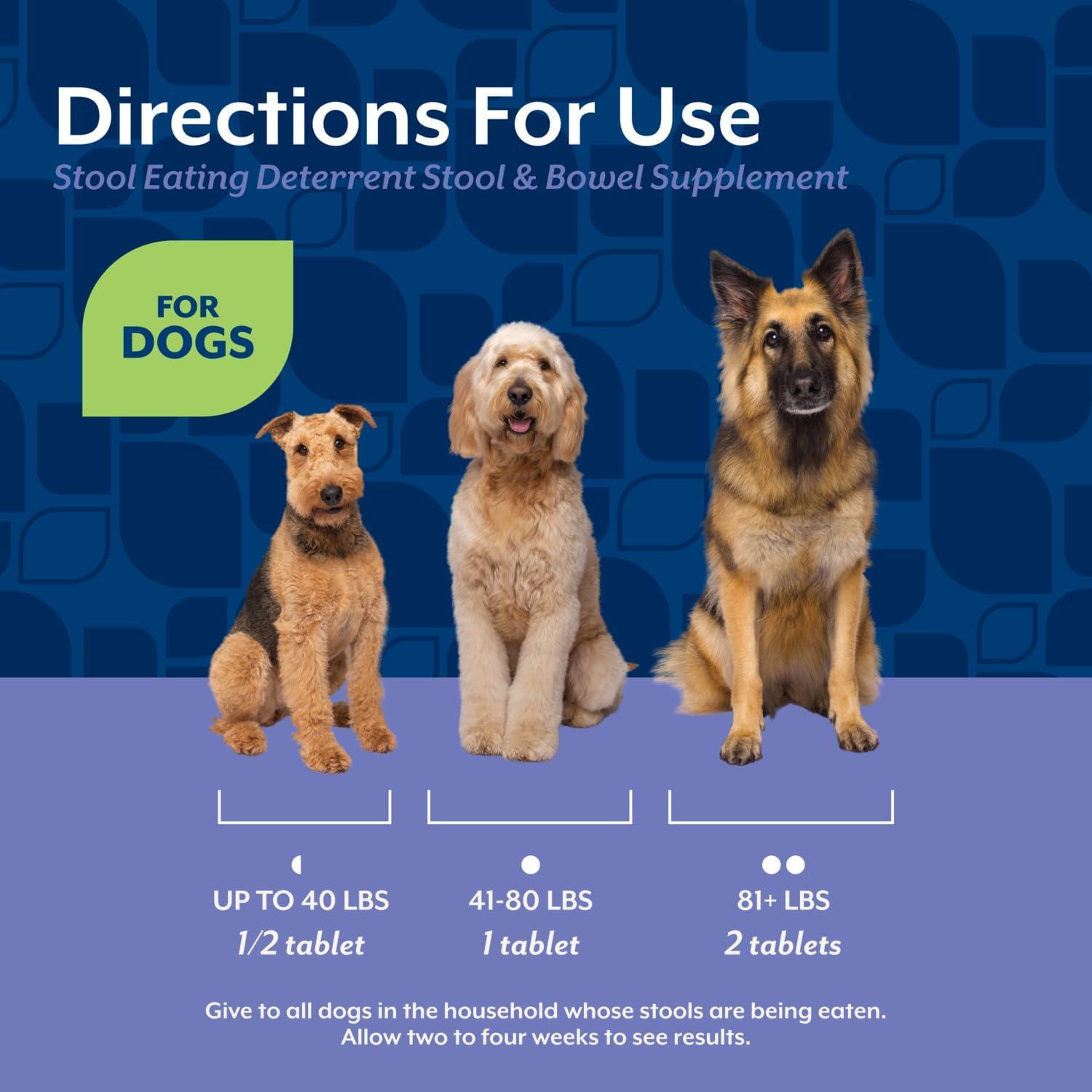
There are also special supplements designed to discourage coprophagia by making feces taste unpleasant to dogs. Products like NaturVet Stool Eating Deterrent contain ingredients that support digestion and reduce stool odor, which can help reduce the dog’s interest in feces. Using these supplements as directed by the product instructions and with your veterinarian’s advice can be very effective when combined with training and management.
Frequently Asked Questions
is it normal for dogs to eat poop?
While it’s unpleasant, coprophagia is relatively common among dogs. Some dogs may outgrow this behavior, especially puppies, but it can persist in adults. it’s important to address the behavior early to prevent potential health risks.
Can eating poop be harmful to my dog?
Yes, eating feces can expose your dog to parasites, bacteria, and diseases which could effect their health. Additionally, dogs can ingest toxic substances if the feces contain harmful chemicals, making it important to stop this behavior promptly.
Should I punish my dog for eating poop?
Punishment is not recommended as it can create fear and anxiety in your dog, potentially worsening the behavior. Positive reinforcement and redirecting your dog’s attention with training are much more effective and humane methods to stop poop eating.
Conclusion
Stopping your dog from eating poop requires patience, consistency, and a multi-faceted approach.By understanding the causes, using positive training techniques, managing your dog’s environment, and making dietary adjustments, you can effectively reduce and eventually eliminate this behavior. Remember, gentle encouragement and providing plenty of mental and physical stimulation will go a long way in helping your dog lead a healthy and happy life.
If the problem persists despite your best efforts, consulting with a veterinarian or a professional dog trainer can provide further guidance and support tailored to your dog’s specific needs.