Introduction
Caring for a senior dog is a rewarding and heartfelt experience. As our furry friends age, their needs change, and it becomes essential to adjust their care routines to ensure they remain healthy, comfortable, and happy. Understanding these changes and responding with love and knowledge can significantly improve the quality of life for your aging pet.
In this blog post,we will share practical and effective tips on how to care for a senior dog at home. From diet and exercise to comfort and medical care, these insights will help you support your beloved dog thru their golden years gracefully and joyfully.
Adjusting Diet and Nutrition for your Senior Dog
One of the most important aspects of caring for a senior dog is providing the right nutrition.As dogs age, their metabolism slows down, and their dietary needs shift.Senior dogs often require food that is lower in calories but richer in essential nutrients to maintain a healthy weight and support their aging joints and organs.
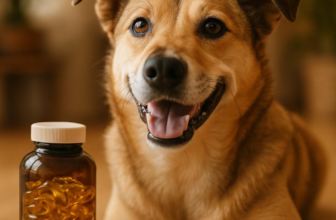
It’s beneficial to feed your senior dog high-quality commercial senior dog food or consult your veterinarian for a custom diet plan. These diets are often formulated to be easier to digest and contain added supplements such as glucosamine, omega-3 fatty acids, and antioxidants. These ingredients help promote joint health, reduce inflammation, and support cognitive function, which are common concerns in older dogs.
Be sure to monitor your dog’s weight regularly and adjust portion sizes accordingly. avoid overfeeding as excess weight can strain aging joints and exacerbate health issues like arthritis or diabetes. Always provide fresh, clean water to keep your dog hydrated throughout the day.
Modifying Exercise and Activity for Aging Dogs
Exercise remains crucial for senior dogs, but the type and intensity should be adapted to match their physical capabilities. While younger dogs may enjoy vigorous play and long walks, seniors benefit more from gentle, low-impact activities that keep their muscles toned without overexerting them.
shorter, more frequent walks can definitely help maintain flexibility, improve circulation, and manage weight. Swimming is another excellent option for aging dogs, as it is easy on the joints and supports cardiovascular health without causing strain. Mental stimulation is equally important; puzzle toys, scent games, and training sessions can keep their cognitive skills sharp and prevent boredom.
Always observe your dog during and after exercise. Signs of discomfort, limping, excessive panting, or reluctance to move are signals to reduce activity and consult a veterinarian if necessary. Keeping your senior dog active in a safe, controlled manner can greatly contribute to their overall well-being.
Our Top Product Recommendations


Creating a Comfortable Living Environment
As dogs get older, creating a cozy and accessible home environment becomes an essential part of caring for them. Senior dogs may struggle with mobility, arthritis, or sensory decline, so simple changes in the living space can make a big difference.
Consider providing orthopedic or memory foam dog beds that offer superior support for sore joints and encourage restful sleep. Place these beds in warm, quiet areas away from drafts. Non-slip rugs or mats on hard floors can prevent slips and help your dog move confidently around the house.
Accessibility is key for senior dogs. Ramps or steps leading up to favorite furniture or the car can protect their joints and make it easier for them to join family activities. Keep food and water bowls at a comfortable height to avoid strain, and ensure your dog’s favorite toys and belongings are within easy reach. Regular grooming and gentle massage can also enhance circulation and keep their skin healthy.
Frequently Asked Questions
How can I tell if my dog is officially a senior?
The age at which a dog is considered senior varies by breed and size, but generally, dogs are classified as seniors between 7 and 10 years old. Larger breeds tend to age faster and may enter their senior years earlier, whereas smaller breeds frequently enough stay youthful for longer.Pay attention to signs like reduced energy, graying fur, slower mobility, or changes in appetite as indicators of aging.
Should I change my dog’s vaccination or vet visit schedule as they age?
Yes. Senior dogs may require more frequent veterinary check-ups to monitor chronic conditions, screen for age-related diseases, and adjust treatments as needed. Discuss with your vet about any updates to vaccination schedules or preventive care plans tailored specifically for your dog’s health status and lifestyle.
Is it necessary to supplement my senior dog’s diet with vitamins or joint supplements?
Many senior dogs benefit from supplements such as glucosamine,chondroitin,omega-3 fatty acids,and antioxidants that support joint health and reduce inflammation. However, it’s important to consult your veterinarian before adding supplements to ensure they are appropriate and safe based on your dog’s individual needs and existing health conditions.
Conclusion
Caring for a senior dog requires patience, attentiveness, and a willingness to adapt to your pet’s changing needs. By adjusting their diet, exercise routines, and living environment, you can ensure that your dog stays healthy, happy, and comfortable throughout their later years. Remember, every aging dog is unique, so regular veterinary guidance will help you provide the best care possible.
With your love and support, your senior dog can enjoy their golden years to the fullest, continuing to bring joy and companionship to your life every day.