Introduction
Every dog owner knows the joy and companionship a furry friend can bring, but one of the most challenging issues is when your dog has a tendency to run away. Whether it’s chasing a squirrel, reacting to loud noises, or simply seeking adventure, dogs who bolt can put themselves in serious danger. Training your dog not to run away requires patience, consistency, and the right techniques to keep your pet safe and secure.
In this thorough guide, we’ll explore effective tips and proven methods to help you train your dog to stay close and resist the urge to run off. From understanding the root causes of escape behavior to implementing practical training strategies, this post aims to empower you as a dog owner with the knowledge needed to enjoy peace of mind.
Understanding Why Dogs Run Away
Before tackling the problem,it is essential to understand why dogs run away. Dogs may flee due to fear, boredom, anxiety, or simply curiosity. Some dogs are more prone to chasing after animals, cars, or captivating scents, which can lead to them darting off unexpectedly.Separation anxiety is another common cause where dogs seek to reunite with their owners or escape an uncomfortable situation.
Identifying the triggers specific to your dog helps in tailoring the training approach. As a notable example, if your canine companion is motivated by prey drive, teaching recall commands linked with high-value rewards will be crucial. Conversely, dogs that run due to fear will benefit from desensitization techniques and creating positive associations with the stimulus.
Truly effective training starts with patience and compassion. Recognizing your dog’s emotions and motivations enables you to address the root cause rather than just the symptoms of running away.
Essential Training Techniques to Prevent Running Away
One of the most effective ways to train your dog not to run away is through consistent recall training. Start in a distraction-free area and use a reliable command such as “come” or “here.” Reward your dog instantly with treats, praise, or a favorite toy when thay respond correctly. Short, frequent sessions work best to reinforce this behavior.
Consistency is key: never punish your dog for coming back, even if they took their time returning. Positive reinforcement encourages your dog to associate coming back to you with good things, increasing the likelihood they’ll respond promptly in the future. Gradually introduce distractions and longer distances to build reliability.
Another tool is boundary training, where you can teach your dog limits within your yard or home. Use visual cues like flags or a specific walking path and reward your dog for respecting these boundaries. For dogs with frequent escape attempts, consider using secure fencing or supervised outdoor time to reduce chances of running off.
Our Top Product Recommendations


Effective Tools and Safety Measures
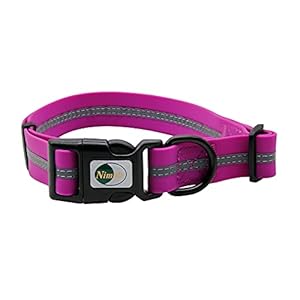
Besides training, using tools and preventive measures significantly reduces the risk of your dog running away. A sturdy leash and harness provide control during walks,and a properly fitted collar with ID tags ensures your dog is identifiable if they escape. Microchipping is another vital safety step that can reunite you with your pet if they are lost.
Invisible boundary systems can be useful for training at home, helping your dog learn where they are allowed while discouraging boundary crossings. However, these should be used cautiously and never as the sole solution-training and supervision remain critical.
Creating a stimulating environment for your dog within your yard or home is vital to reducing escape attempts. Dogs that are bored or under-exercised may seek excitement outside the yard. Interactive toys, puzzle feeders, and regular exercise sessions contribute to an engaged and less escape-prone dog.
Frequently Asked Questions
How long does it typically take to train a dog not to run away?
Training duration varies depending on your dog’s age, temperament, and previous experiences. Generally, consistent daily practice over several weeks can lead to noticeable betterment. Ongoing reinforcement is important to maintain the behavior long-term.
Is it safe to let my dog off-leash if they are trained not to run away?
Only if your dog has a reliable recall command and you are confident in their obedience should you consider off-leash time. Always start in controlled environments, like a fenced yard or dog park, and never let your dog off-leash near busy roads or unsecured areas.
What should I do if my dog still runs away despite training?
If attempts to train your dog fail, consider consulting a professional dog trainer or behaviorist. They can assess underlying issues and develop specialized training plans. Meanwhile, enhancing physical barriers and supervision can help keep your dog safe.
Conclusion
Training your dog not to run away is a vital part of responsible pet ownership that ensures their safety and your peace of mind. By understanding your dog’s behavior, implementing consistent training methods, and using the right tools, you can significantly reduce the risk of escapes.
Remember that patience and positive reinforcement are your best allies throughout this journey. Celebrate small victories along the way and enjoy the closer bond that comes with a well-trained, loyal companion.