Introduction
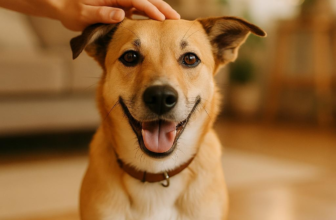
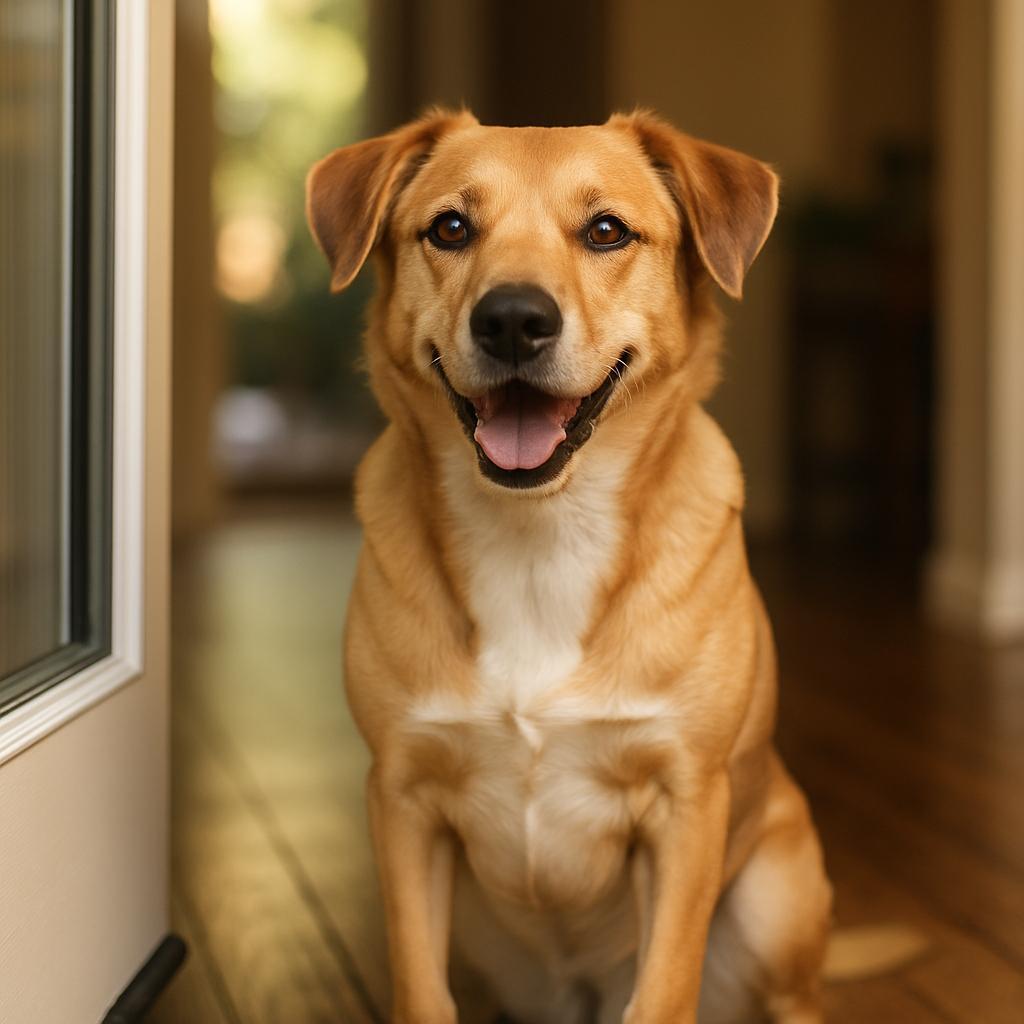
Teaching your dog too wait patiently at the door is an essential skill that contributes to both home safety and good manners. dogs that dash out the door excitedly can easily get injured, lost, or cause chaos if they bolt unexpectedly. By training your dog to wait calmly before exiting, you ensure a safer environment for everyone and lay the foundation for respectful behavior in daily life.
Not only does this practice prevent accidents, it also makes coming and going a more peaceful experience for dog owners. In this guide,we’ll explore effective,step-by-step methods to teach your dog how to wait at the door,enhancing control,security,and harmony in your household.
Understanding the Importance of teaching Your Dog to Wait at the Door
The door is a gateway between the safety of your home and the outside world, where potential dangers like cars, other animals, and strangers exist. When dogs rush out without waiting, they put themselves and others at risk. Teaching a dog to pause and wait helps prevent unexpected escapes and accidents, dramatically improving home safety.
From a manners outlook, a dog that waits calmly at the door signals self-control and respect. It ensures that your dog understands boundaries and follows your lead, which is crucial in various daily scenarios. This level of obedience not only makes life easier for you as an owner but also creates a positive impression when guests arrive.
Step-by-Step Guide: How to Teach Your Dog to Wait at the Door
Begin by choosing a quiet time when your dog is calm and your environment is free from distractions. Start at the door where you want your dog to wait, and use a leash to maintain control. With the door closed, ask your dog to sit or stay-whichever command your dog is familiar with-and reward them with praise or a treat immediately.
Once the dog masterfully holds the position, introduce a release word like “okay” or “free” to signal they can move. Repeat this exercise multiple times while gradually increasing the door’s opening. Initially, only open the door a crack, then widen it as your dog’s patience grows. Remember to reward your dog every time they wait calmly without trying to dash through.
Consistency is key. Practice this routine daily, and don’t rush the process. If your dog breaks position, gently close the door and ask for the command again.Over time, they will learn that waiting patiently leads to their door exit being allowed-and perhaps even to a fun walk outside.
Common Challenges and How to Overcome Them
Some dogs may find waiting at the door challenging,especially if they are overly excited or anxious about going outside. This behavior can manifest as jumping, pulling on the leash, or vocalizing. To manage this, try counterconditioning by pairing calm behavior with high-value treats that only come during training sessions.
Another challenge may appear if your dog has developed a habit of bolting out the door. In such cases, using baby gates or tethers can provide an extra layer of safety during training. This prevents accidental escapes as your dog builds the habit of waiting calmly.Also, decreasing the distractions around the door area and practicing in short, frequent sessions will help improve focus.
Patience and positive reinforcement are vital during these stages. Avoid punishing your dog for mistakes, as it may increase anxiety and worsen the behavior. Rather, redirect your dog’s energy towards the desired behavior and celebrate small victories with affection and treats.
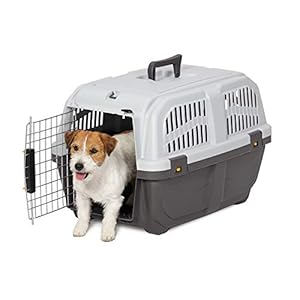
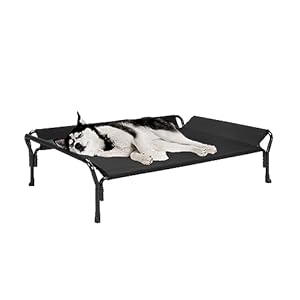
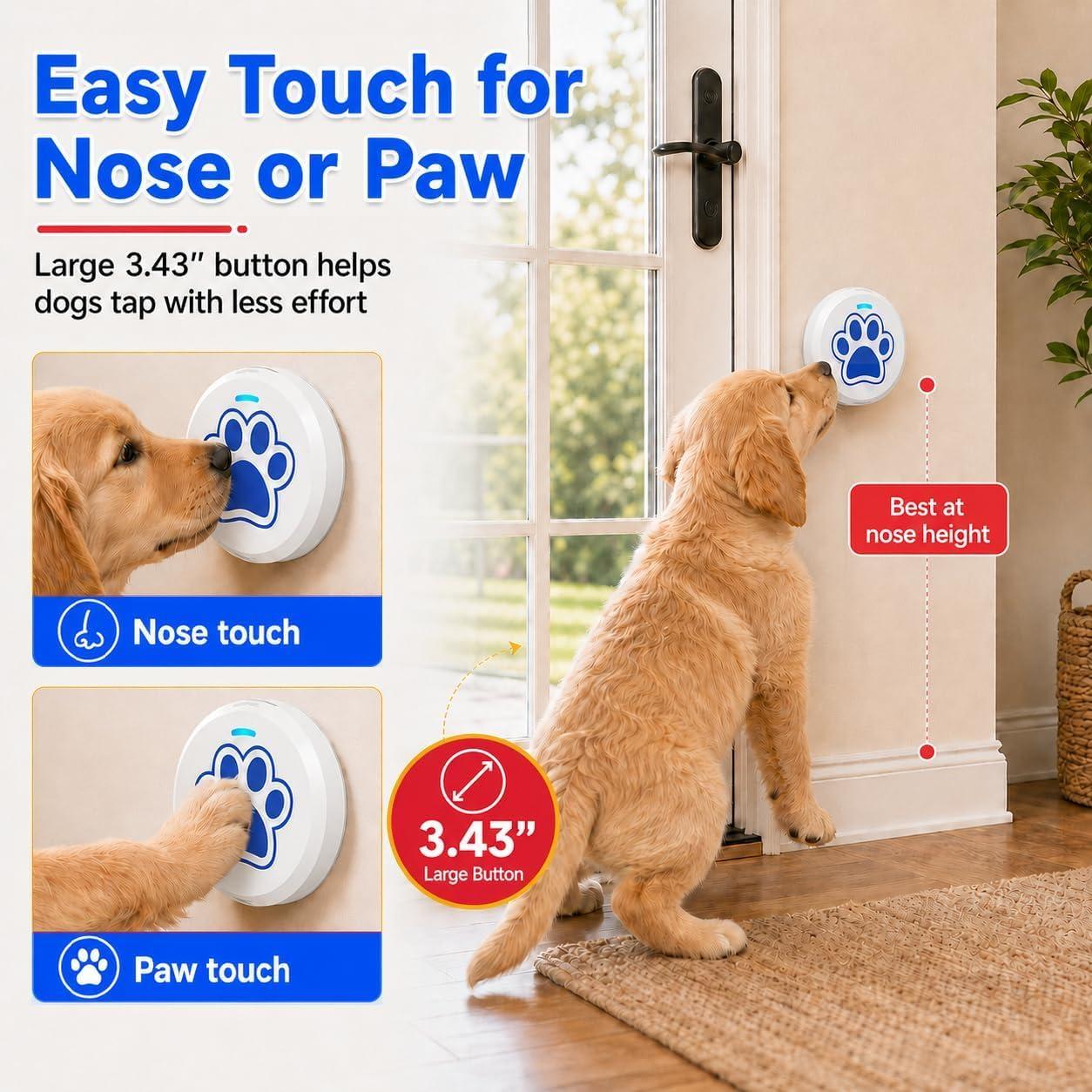
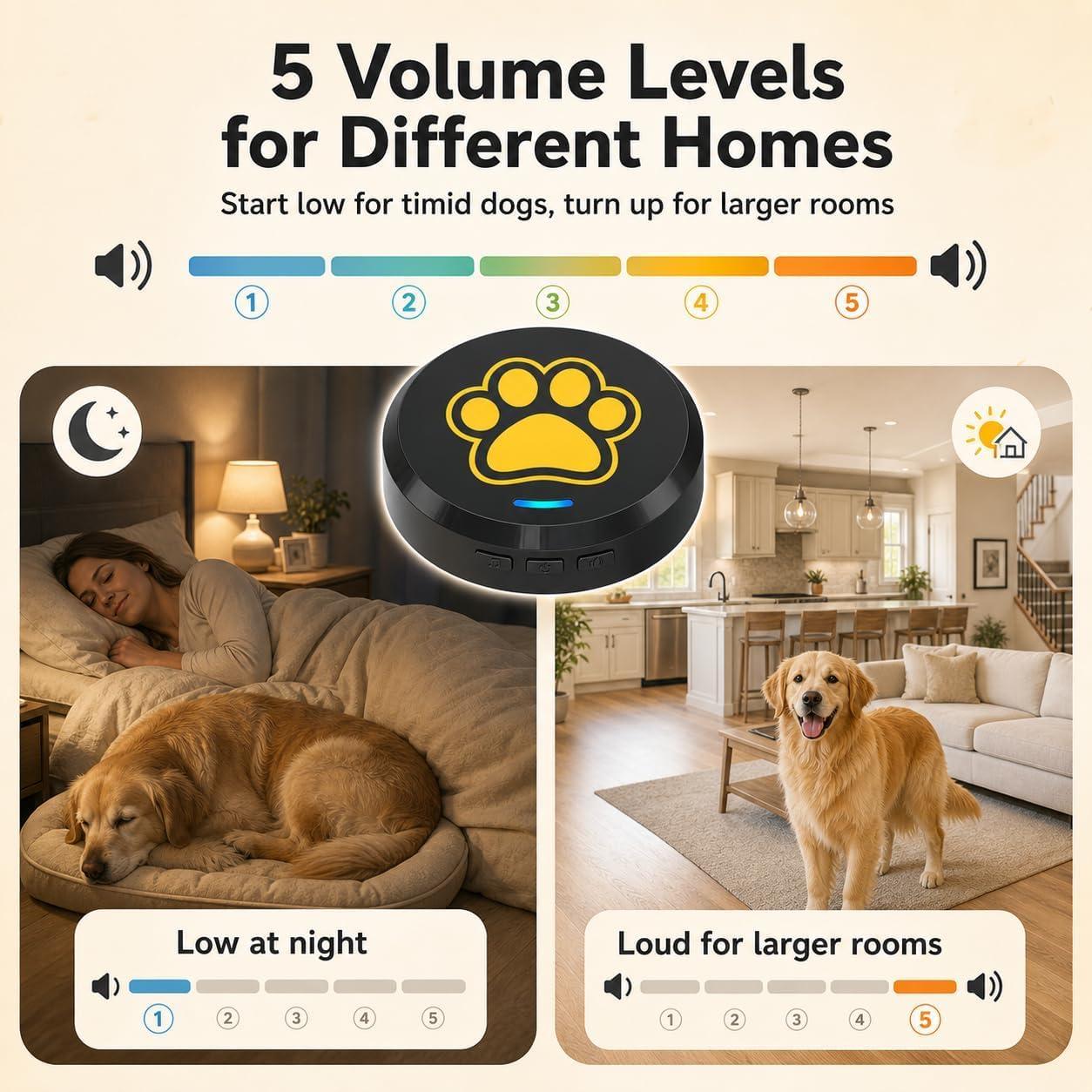
Our Top Product Recommendations
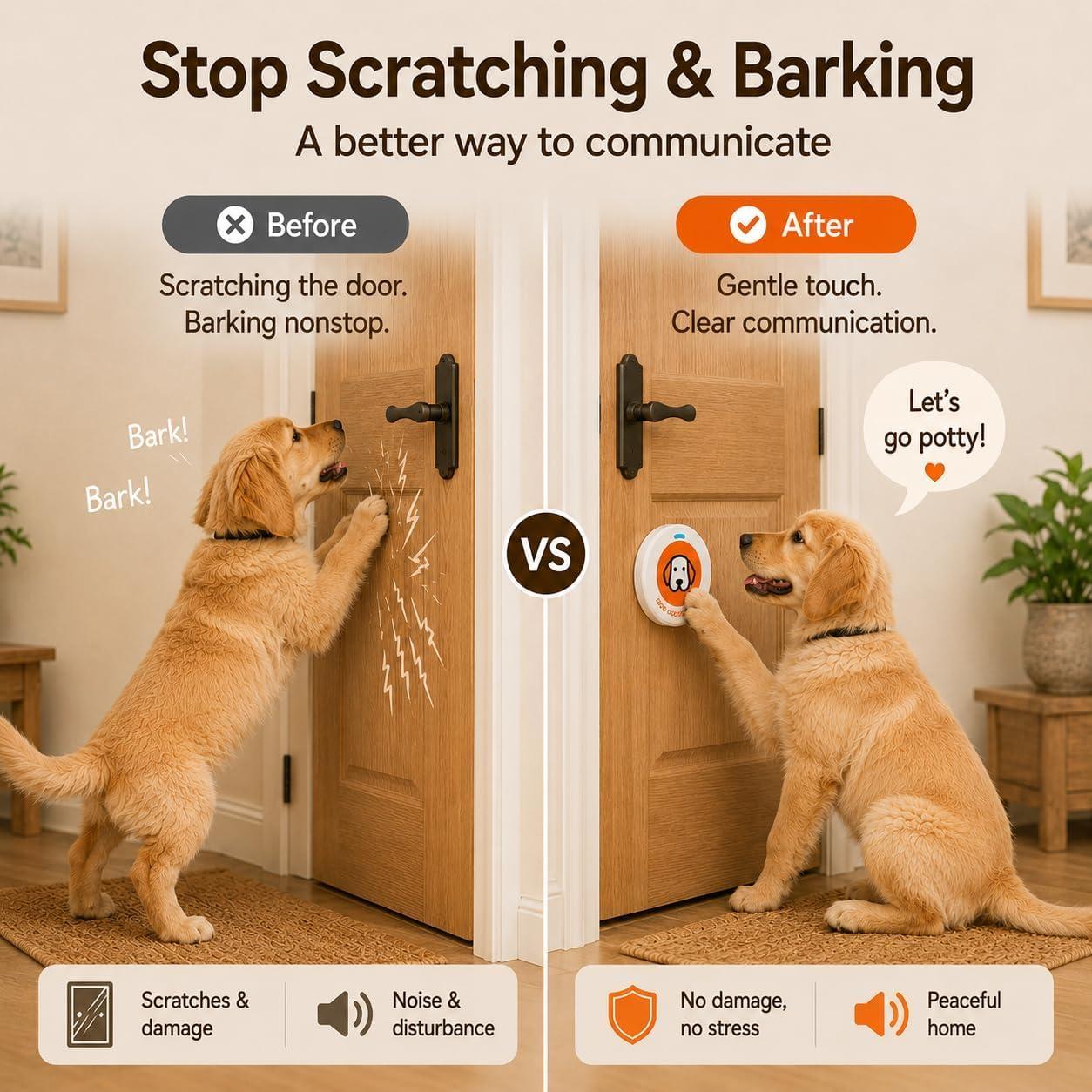
using Positive Reinforcement to Encourage Door Manners
Positive reinforcement is one of the moast powerful tools in dog training. By rewarding your dog with treats, praise, or toys whenever they display the desired behavior of waiting calmly, you encourage them to repeat it. The key is to reward your dog immediately to help them make a strong connection between the action and the reward.
Integrate positive reinforcement into your daily routine right at the door.Use high-value treats that your dog loves exclusively for training sessions. Verbal praise,such as “Good waiting!” paired with gentle petting,can also reinforce the behavior effectively. Over time, this positive association will motivate your dog to consistently wait without hesitation.
Another helpful tip is to be consistent with your commands and body language. Dogs respond best when their owners communicate clearly and predictably. avoid mixed signals by using the same cues and gestures for waiting, releasing, and rewarding every time you practice.
Frequently Asked Questions
How long does it take to teach a dog to wait at the door?
The time it takes can vary depending on your dog’s age, temperament, and previous training experience. Some dogs may learn in a few days with consistent practice, while others may take several weeks.Patience and daily practice are critically important to help your dog fully understand and retain the behavior.
What should I do if my dog gets too excited and breaks the wait?
When your dog breaks the wait, calmly close the door and withhold the reward. Do not punish, as this can cause anxiety.Rather, ask your dog to sit or stay again and reward them only when they hold the position. Short training sessions and calming techniques like gentle petting can also help manage excitement.
Can this training help with other manners and obedience?
Absolutely! Teaching your dog to wait at the door builds impulse control and focus, which are foundational for many other obedience skills. This training lays the groundwork for commands like “stay,” “come,” and “leave it,” and encourages your dog to respect boundaries and follow your leadership in various situations.
Conclusion
Training your dog to wait at the door is an invaluable step towards creating a safer and more manageable home environment. It safeguards your dog from hazards and fosters respectful behavior that benefits both your pet and your family. With patience, consistency, and positive reinforcement, you can teach your dog this essential skill and enjoy more peaceful transitions in and out of your home.
Remember, every dog learns at their own pace, so stay encouraging and celebratory of every small success. Soon enough, your dog will confidently wait at the door, making your daily routines smoother and safer.