
Introduction
teaching your dog to ring a bell when they need to go outside is a fantastic way to improve communication between you and your furry friend. Not only does this training help prevent accidents indoors, but it also empowers your dog to express their needs clearly and respectfully. With patience and consistency, this simple trick can make daily routines smoother and strengthen your bond.
In this step-by-step guide, we’ll walk you through the process of teaching your dog to ring a bell to go outside. Whether you’re a new dog owner or looking for ways to enhance your dog’s potty training, these proven techniques will help you achieve success while keeping training fun and positive for both you and your canine companion.
Why Teach Your dog to Ring a Bell to Go outside?
As dog owners, we want to provide the best care possible, and one crucial aspect is helping our dogs communicate when they need to relieve themselves. Teaching your dog to ring a bell eliminates guesswork, reducing accidents and making housetraining more efficient.
Besides practicality, this method enriches your dog’s mental stimulation by introducing a purposeful task. it encourages duty and helps your dog understand boundaries and expectations. Once trained, you’ll be amazed at how intuitively your dog signals their needs.
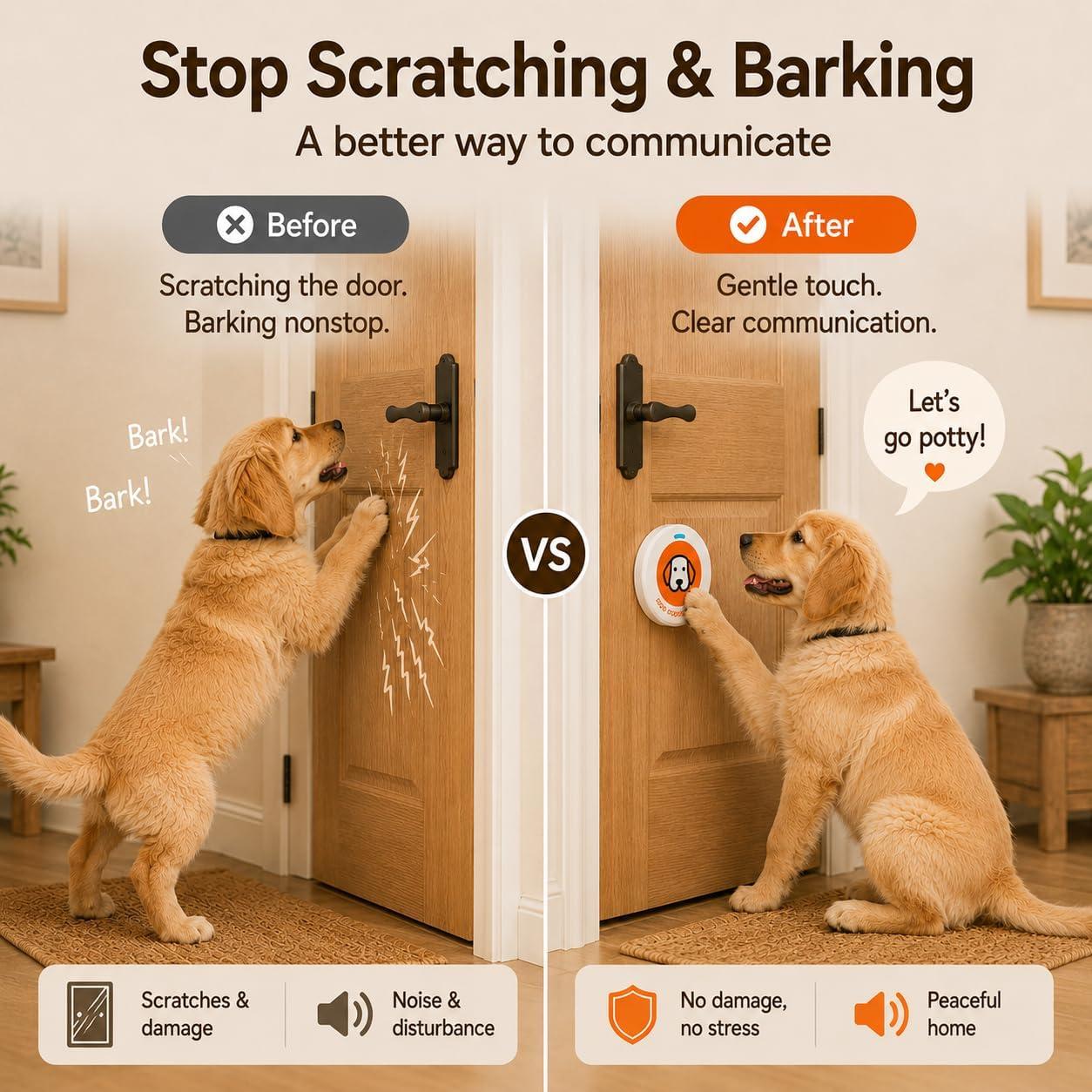
Moreover, training your dog to use a bell is an excellent alternative to just barking or scratching at the door, which can sometimes be misunderstood or disrupt household peace. it’s a win-win for orderly communication and a happier home habitat.
Getting Started: Supplies and Planning
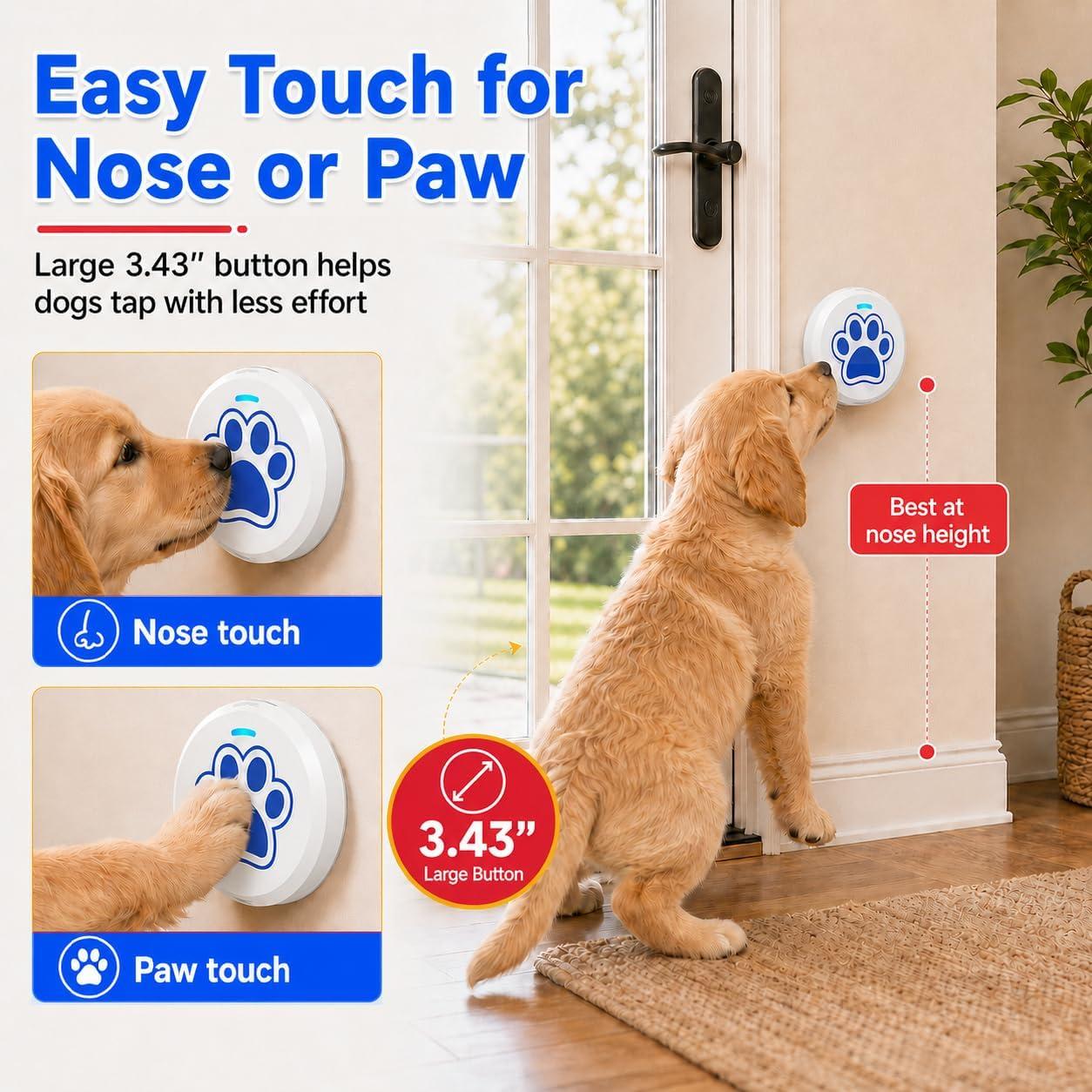
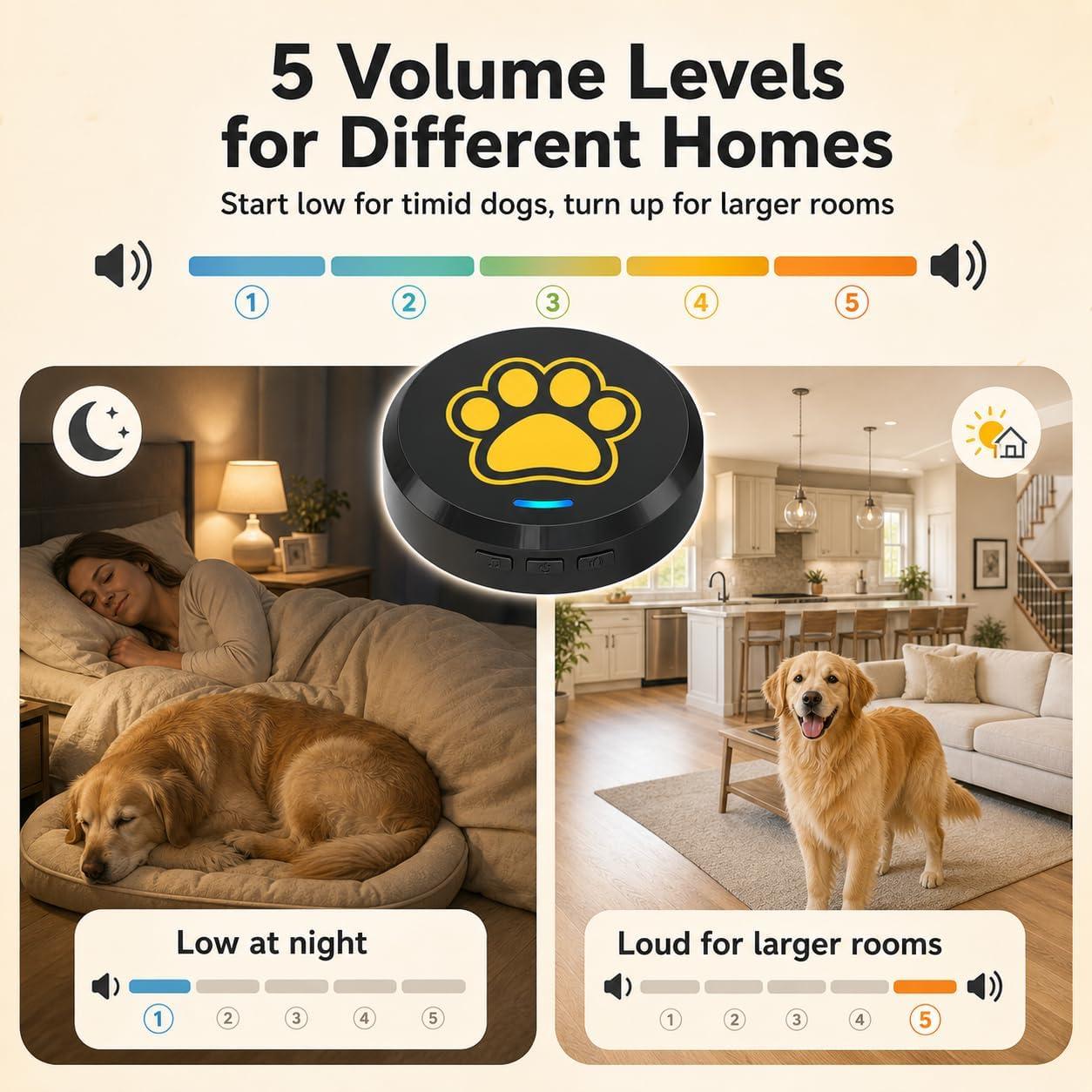
Before diving into training, gather the right supplies to set your dog up for success. The key item you’ll need is a dog training bell. These bells are designed to hang on doors and are easy for your dog to use with their nose or paw. Choose a bell that suits your dog’s size and temperament – some bells are chew-proof and have adjustable volume levels to fit your needs.
Position the bell at a height that your dog can comfortably reach without strain. Typically, this is around the level of your dog’s nose or slightly lower. This allows them to ring the bell with ease without feeling frustrated or discouraged.
It’s also helpful to identify a consistent door they will use to go outside regularly. Consistency in location and timing helps reinforce the behavior quickly, making the training process smoother for you and your dog.
Step-by-Step Guide to Teaching Your Dog to Ring the bell
Now that you have your bell installed and ready, it’s time to start training! Below is a thorough step-by-step approach to effectively teach your dog to ring the bell when they want to go outside.
- Step 1: Introduce the Bell – Allow your dog to sniff and investigate the bell. You can encourage interaction by touching their paw to the bell or gently nudging their nose towards it while giving a command like “ring the bell.” Reward any initial touches with praise and a treat.
- Step 2: Encourage Bell Ringing on Command – Repeatedly prompt your dog to ring the bell by using your command, immediately rewarding with a treat and positive praise when they do it correctly. Patience during this stage is crucial as your dog learns to associate ringing the bell with positive outcomes.
- step 3: Link Bell Ringing to Going Outside – after your dog reliably rings the bell on command,encourage them to ring before you open the door to let them out. Reward them by opening the door immediately and allowing them to go outside. Consistency here reinforces the behavior as a communication tool.
- Step 4: Practice and Reinforce - Throughout the day,consistently ask your dog to ring the bell whenever it’s time to go outside. Over time, your dog will start ringing the bell independently when they need a potty break.
- Step 5: Avoid Reinforcing Unwanted Bell Ringing – If your dog rings the bell without needing to go out, try not to respond by opening the door immediately. Rather, withhold the response until you can confirm it’s time for a potty break. This helps prevent false alarms and maintains clear communication.
Our Top Product Recommendations
Tips for Success and Common Challenges
Training your dog to ring a bell requires patience and keen observation. One helpful tip is to keep training sessions short but consistent, ideally multiple times a day. dogs learn best with positive reinforcement, so always reward the desired behavior with treats, praise, or playtime.
If your dog rings the bell excessively or out of boredom, gently ignore the behavior and only respond when the bell-ringing corresponds with a true need to go outside. This may take time but consistency will help your dog learn the difference.
Remember, some dogs may pick up the skill quickly, while others might need more time and encouragement.Always avoid frustration or punishment during training; keeping a calm and supportive tone will make your dog feel confident and eager to learn.
Frequently Asked Questions
How long does it usually take for a dog to learn to ring the bell?
The time varies depending on your dog’s age, breed, and prior training experience. Generally, many dogs start understanding the bell’s purpose within a week, but full mastery may take several weeks of consistent practice.
Can any dog learn to use a bell to go outside?
Yes, most dogs can learn this skill.It only requires patience and positive reinforcement. However, very young puppies or elderly dogs might need extra time and tailored training methods to succeed.
What if my dog rings the bell but does not want to go outside?
Sometimes dogs may ring the bell to get your attention rather than really needing to go outside. Try to assess if it’s time for a potty break before responding. You may need to reinforce the behavior only when it’s appropriate to avoid confusion.
conclusion
Teaching your dog to ring a bell to go outside is a rewarding and practical training exercise that benefits both you and your pet. It creates a clear and respectful communication channel,making house training easier and reducing indoor accidents. With consistent practice, positive reinforcement, and patience, your dog will soon master this helpful skill.
Enjoy the process of training and watch your bond with your dog grow stronger as they learn to express their needs confidently.This simple tool can make daily life more convenient and enjoyable for you and your canine companion.