
Introduction
Dealing with a dog suffering from skin allergies can be challenging for any pet owner. Itchy, irritated skin not only causes discomfort for your furry friend but can also lead to more serious health issues if left untreated. One of the most effective ways to help soothe your dog’s skin and reduce allergic reactions is through proper nutrition.Choosing the right dog food designed specifically for skin allergies can make a meaningful difference in your pet’s overall well-being.
In this comprehensive guide, we’ll explore the top best dog foods formulated to ease skin allergies, improve coat health, and reduce itchiness. Whether your dog experiences seasonal allergies, food sensitivities, or chronic skin conditions, the right diet can provide the nutrients necessary for healthier skin and a happier pet.
Why Choosing the Right dog Food for Skin Allergies Matters
Skin allergies in dogs often stem from environmental irritants or food sensitivities. Common symptoms include redness, itching, inflamed skin, hair loss, and excessive scratching. While veterinary care is crucial for diagnosing and treating these issues, a hypoallergenic diet plays a pivotal role in managing symptoms and preventing flare-ups.
The key to selecting the best dog food for skin allergies lies in avoiding common allergens and focusing on ingredients that promote skin health. Ingredients such as omega-3 and omega-6 fatty acids, antioxidants, vitamins, and protein from novel or limited sources are essential for reducing inflammation and supporting skin repair.
Many dog foods on the market are formulated to be grain-free or free from common allergens like beef,dairy,soy,and wheat. Choosing these foods can decrease allergic reactions, improve digestion, and enhance your dog’s immune system, providing both immediate and long-term relief.
Key Ingredients to Look for in Dog Food for Skin Allergies
When shopping for dog food that targets skin allergies, it’s important to understand which ingredients contribute to skin health and which could potentially aggravate allergies. Prioritizing these beneficial components will help your dog’s skin feel less itchy and more comfortable.
- Omega-3 and Omega-6 Fatty Acids: These healthy fats found in fish oil, flaxseed, and certain plant oils help reduce inflammation and promote a shiny, hydrated coat.
- Novel Proteins: Protein sources your dog hasn’t eaten before, such as venison, duck, or lamb, can help reduce allergic reactions caused by common proteins like chicken or beef.
- Grain-Free or Limited Ingredient Formulas: Removing grains like wheat, corn, and soy helps avoid allergens that might trigger skin reactions or digestive issues.
- Vitamins and Antioxidants: Vitamins A, E, and C, alongside antioxidants, support skin repair, immune function, and overall health.
- Probiotics and Prebiotics: These aid in gut health, which can influence your dog’s immune response and skin condition.
Always read ingredient lists carefully and consult your veterinarian to determine which formula fits your dog’s specific allergy profile. Transitioning to a new food gradually will help avoid digestive upset while giving your dog time to adjust to its benefits.
Best Types of Dog Food for Managing Skin Allergies
Different types of dog food offer unique advantages when it comes to addressing skin allergies.Dry kibble, wet food, and limited ingredient diets each have specific benefits depending on your dog’s needs and preferences.
Dry Kibble: Many dry dog foods designed for skin allergies contain balanced nutrition with fortified fatty acids and novel proteins. Their convenience and longer shelf life make them popular among pet owners. Look for kibble formulated with minimal ingredients and targeted supplementation to protect skin.
Wet Food: Wet or canned dog foods usually have higher moisture content, which can help keep your dog hydrated-an important factor for skin health. These foods often contain fewer fillers and grains, making them good options for sensitive skin. Additionally, wet food can be more appetizing for finicky eaters with allergies.
Limited Ingredient Diets (LIDs): These specialized formulas reduce the number of ingredients your dog consumes,minimizing exposure to potential allergens. With one main protein and a small number of carbohydrates, LIDs are often recommended for dogs undergoing allergy testing or those with unknown food sensitivities.
Our Top Product Recommendations
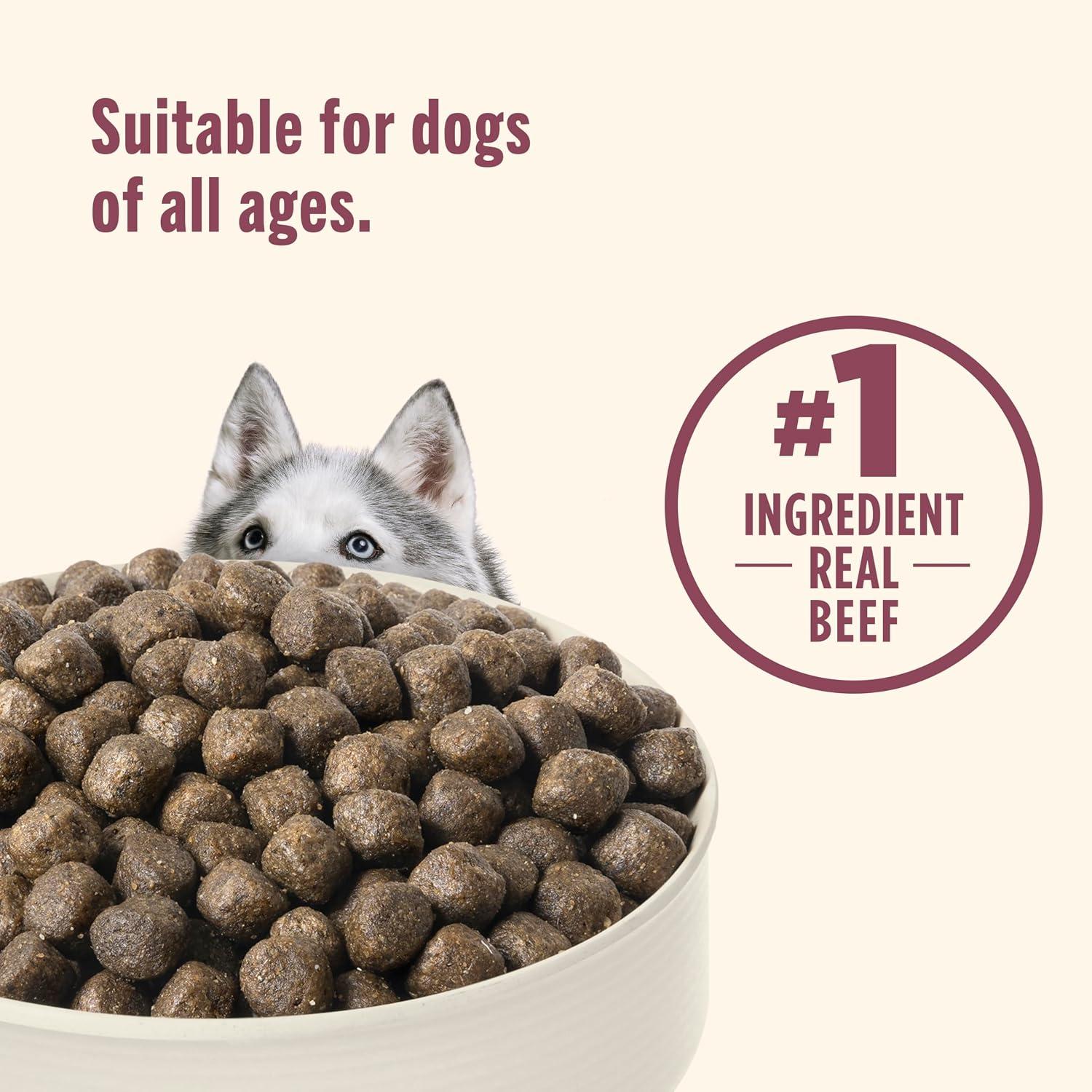
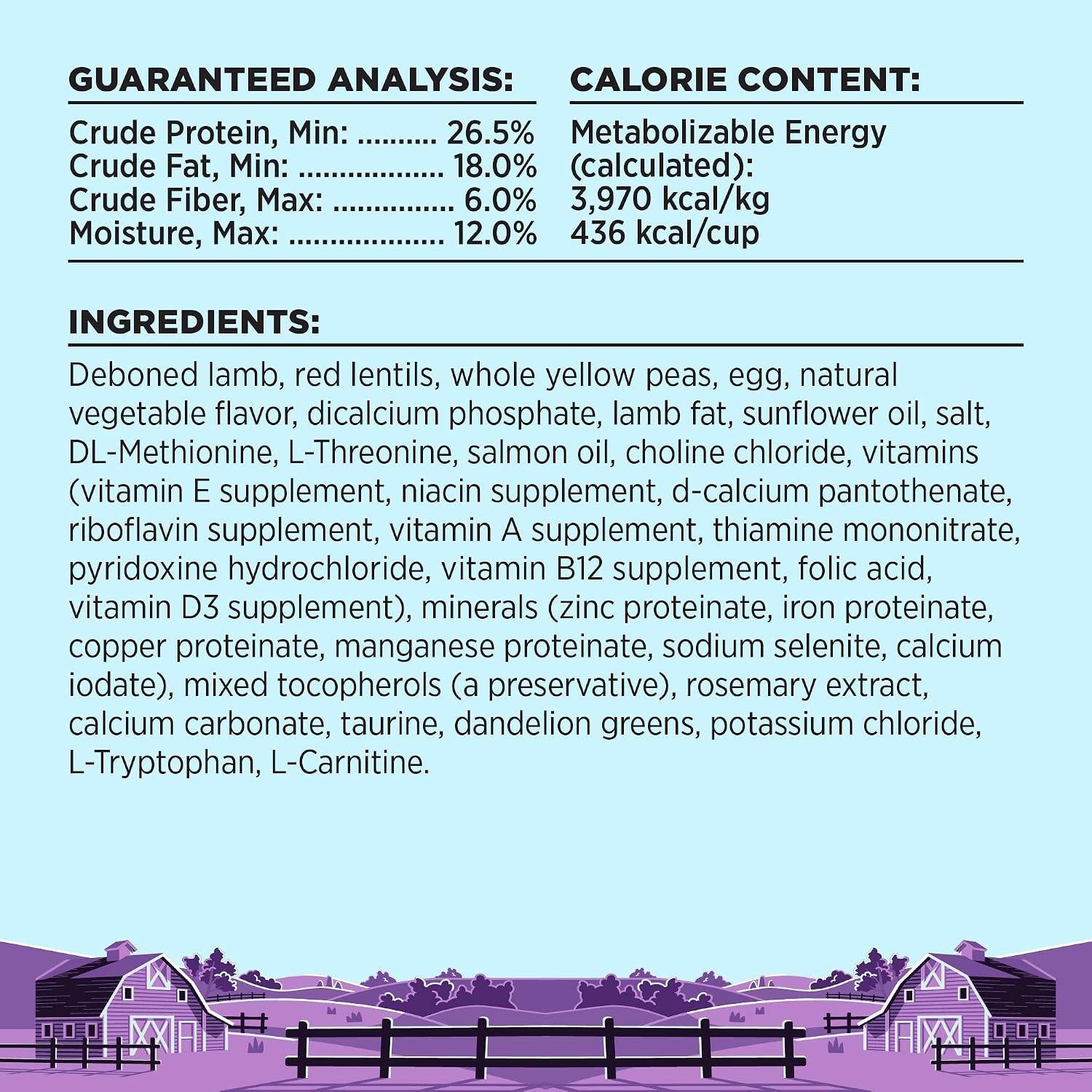
Tips for Feeding Your Dog with Skin Allergies
Correct feeding techniques can enhance the effectiveness of allergy-pleasant dog food and speed up your dog’s recovery. First, patience is key: it can take several weeks or even months for your dog’s skin to show noticeable betterment after changing their diet.
Introduce new dog foods gradually by mixing them with the current diet over a week or two. Abrupt changes can upset digestion and confuse the immune system. Alongside diet, maintaining proper grooming habits with hypoallergenic shampoos and minimizing environmental allergens will boost your dog’s comfort.
Additionally, always consult your veterinarian before making major dietary switches or supplementing with vitamins. regular check-ups will help track progress and ensure your pup’s allergies stay under control for a better quality of life.
Frequently Asked Questions
What are the main causes of skin allergies in dogs?
Skin allergies in dogs can be triggered by a variety of factors including environmental allergens like pollen, dust mites, and mold, as well as food ingredients such as beef, dairy, wheat, or soy.Flea bites and parasites can also cause allergic reactions leading to itchy skin.
How long does it take for dog food to improve skin allergies?
It typically takes 6 to 12 weeks of feeding a hypoallergenic or specialized diet to see significant improvements in your dog’s skin condition. Consistency is essential, as sudden diet changes or exposure to allergens can delay recovery.
Can I feed my dog homemade food to help with skin allergies?
Homemade diets can be beneficial if properly balanced and formulated to exclude allergens. Though, they require careful planning and consultation with a veterinarian or pet nutritionist to ensure your dog receives all necessary nutrients without triggering allergies.
Conclusion
Skin allergies can be a persistent and uncomfortable problem for dogs, but the right dog food can play a crucial role in soothing itchy skin and strengthening the immune system. By focusing on specialized diets packed with beneficial nutrients and novel proteins,dog owners can effectively manage and improve their pet’s skin health.
Remember,each dog is unique,so working closely with your veterinarian and monitoring your pet’s response to dietary changes is vital to finding the perfect balance. With patience and the right nutrition, you can help your beloved companion enjoy a happier, itch-free life.