Introduction
Training your dog at home is one of teh most rewarding experiences a dog owner can have. It not only strengthens the bond between you and your furry friend but also ensures they are well-behaved, confident, and happy. With the right approach and consistent practice, obedience training can become an enjoyable routine that fits seamlessly into your daily life.
In this guide, we’ll take you through the ultimate dog obedience training process that you can implement at home. Whether you have a puppy or an adult dog, these step-by-step tips and techniques will help you achieve effective and lasting results, creating a harmonious relationship that both you and your dog will cherish.
Setting Up the Perfect Habitat for Training at Home
Before you start training your dog at home, creating an ideal environment is crucial. Choose a quiet,distraction-free space where your dog feels comfortable and safe. this could be a particular room or a backyard area with minimal noise and few people passing by. A calm setting helps your dog focus on learning commands rather than being distracted by external stimuli.
Next, gather all necessary training supplies such as treats, toys, a leash, and clickers (if you plan to use clicker training). Having everything ready beforehand ensures smooth sessions without interruptions.Remember that consistency is key, so try to train at the same time daily to establish a routine your dog can anticipate and thrive on.
Essential Dog Obedience Commands to Teach at Home
Effective obedience training starts with teaching basic commands that form the foundation of good behaviour. Key commands to focus on include “sit,” “stay,” “come,” “heel,” and “down.” These commands promote safety and communication between you and your dog, making daily life more manageable and enjoyable.
Start each command with clear verbal cues paired with hand signals. Reward your dog immediately with treats and praise when they respond correctly. Short, frequent training sessions of 5-10 minutes, two to three times per day, work best. Patience and gentle correction when your dog errs will help reinforce positive behavior without creating stress or confusion.
Our Top Product Recommendations
Tips for Troubleshooting common Training Challenges
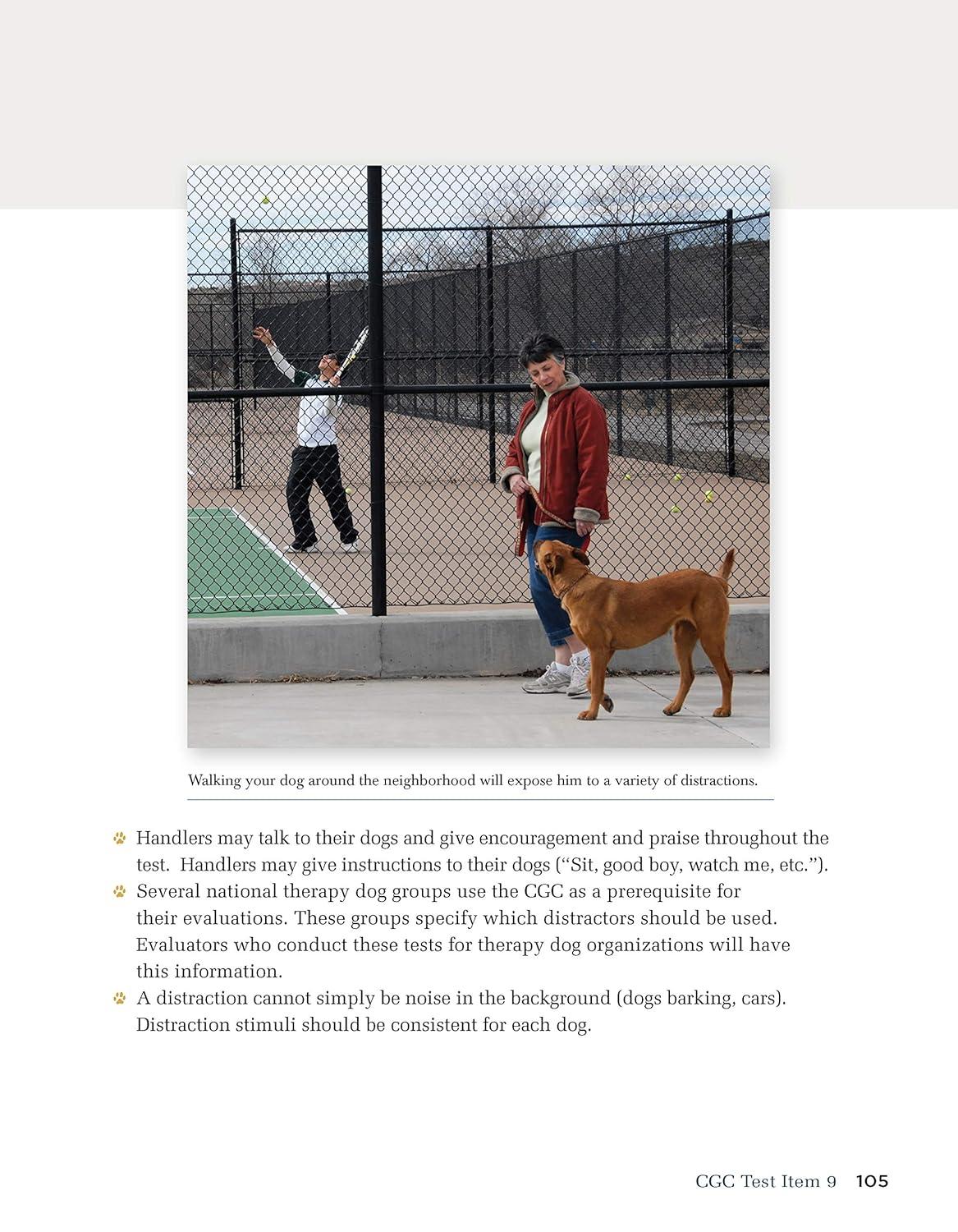
Training at home isn’t always smooth sailing, and many dog owners face obstacles such as distractions, inconsistent responses, or stubborn behavior.If your dog struggles to focus, try reducing distractions by training in a quieter area or using higher-value treats as motivation. Keep training sessions brief and engaging to maintain their interest.
Inconsistency in commands and rewards can confuse your dog, so ensure everyone in the household uses the same commands and reinforces good behavior. If your dog reacts negatively or shows signs of anxiety, slow down the pace and introduce new commands gradually.Remember, positive reinforcement and patience are essential to overcoming setbacks.
Frequently asked Questions
How long does it take to train a dog at home?
Training duration varies depending on the dog’s age, breed, temperament, and your consistency. Basic obedience commands can start showing results within a few weeks of regular training. More advanced behaviors and full mastery can take several months. The key is consistent and positive daily practice.
What are the best rewards for dog training at home?
High-value treats that your dog loves, such as small pieces of cooked chicken or commercial soft treats, work best. Praise, petting, and playtime also serve as excellent rewards. Varying rewards keeps your dog motivated and helps reinforce commands effectively.
Can I train my dog without any prior experience?
Absolutely! Many dog owners successfully train their pets at home with no prior experience. The most important factors are patience, consistency, and using positive reinforcement methods. Ther are plenty of resources available, including books, online tutorials, and training courses, to guide you along the way.
Conclusion
Obedience training your dog at home is a fulfilling endeavor that builds trust, communication, and mutual respect. By setting up a conducive environment, focusing on essential commands, and addressing challenges with kindness and consistency, you can ensure your dog grows into a well-mannered companion.
Remember to enjoy the process and celebrate small victories along the way. With dedication and the right strategies, home training can lead to lifelong positive behaviors and a happier, healthier relationship with your beloved pet.