Introduction
As a loving dog owner, discovering your furry friend eating poop can be both confusing and frustrating. Often referred to as coprophagia, this behavior is surprisingly common among dogs, yet it raises concerns about hygiene and health risks. If you’ve noticed your dog frequently indulging in this unpleasant habit, you’re not alone, and there are effective ways to address and stop it.
In this complete guide,we’ll explore why dogs eat poop and provide practical,humane strategies to help you curb this behavior. Whether your dog is a puppy or an adult, understanding the underlying causes is key to finding the right solution. Let’s dive into the best tips and techniques for dog owners looking to protect their pets from the dangers of coprophagia.
Understanding Why Dogs Eat Poop
Before tackling the problem head-on, it’s essential to understand why some dogs eat poop in the first place. The reasons vary widely and can include nutritional deficiencies, behavioral issues, or even simply curiosity and habit. Puppies, much like human toddlers, explore the world with their mouths, which can led them to sample unpleasant things like feces.
Additionally, some dogs may eat poop due to a lack of certain enzymes or nutrients in their diet.This can cause them to seek out feces as a supplementary source of nutrition. Stress, anxiety, or boredom can also trigger coprophagia, especially in dogs left alone for long periods. Knowing the root cause can help you choose the best intervention.
Practical Tips to Stop Your Dog from Eating Poop
Once you understand the reasons, you can begin to apply effective strategies to prevent your dog from engaging in this behavior. One helpful approach is to maintain a clean environment by promptly cleaning up after your dog. This reduces the opportunities for them to access and eat feces in the first place.
Training and positive reinforcement are also critical. Teaching commands such as “leave it” or “come” can redirect your dog’s attention away from feces when outside. Rewarding good behavior with treats or praise strengthens these lessons over time. Keeping your dog mentally and physically stimulated through exercise and play can reduce boredom-related poop eating as well.
Our Top Product Recommendations
Dietary and Health Considerations
sometimes, a dog’s dietary needs play a significant role in coprophagia.Feeding your dog a balanced, high-quality diet that provides all the necessary nutrients is a crucial step.You might want to consult your vet to rule out any deficiencies or health issues like malabsorption, parasites, or diabetes, which can cause increased hunger and unusual eating behaviors.
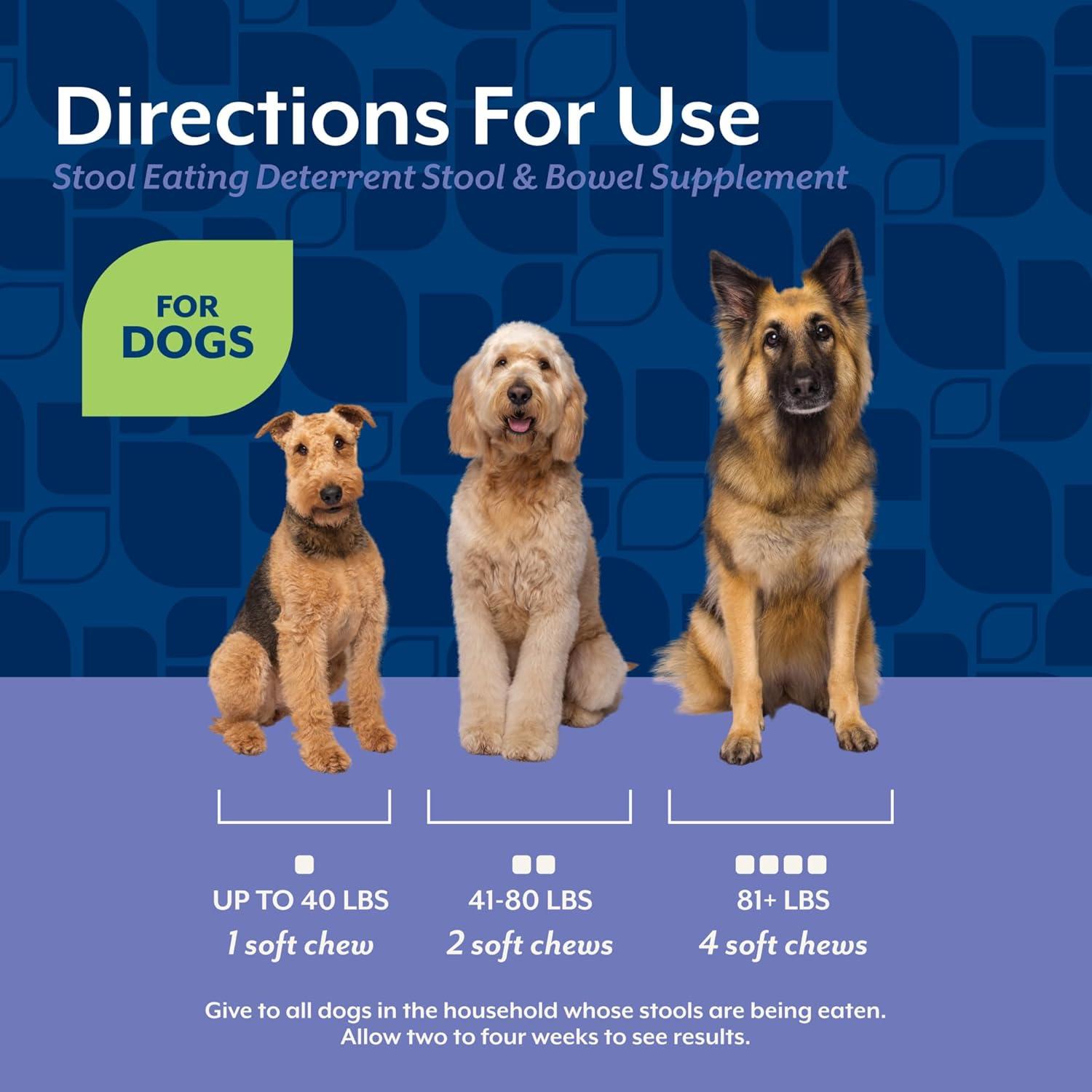
Adding supplements like digestive enzymes or probiotics can also support your dog’s gut health and reduce the drive to eat feces. These supplements help improve nutrient absorption and digestion, which may make stool less attractive or reduce the urge to consume it. your veterinarian can recommend appropriate supplements tailored to your dog’s needs.
Effective Training and Behavioral Management
Training is one of the moast powerful tools to stop your dog from eating poop. Consistency and patience are key when teaching alternative behaviors. Start by teaching your dog commands such as “leave it,” “come,” and “drop it.” Practice these commands in a distraction-free area,and gradually introduce real-life scenarios such as walks or yard time.
using a leash during outdoor time gives you better control to redirect your dog before they eat feces. Employing positive reinforcement, such as treats and praise when your dog obeys commands or ignores poop, encourages repetition of good behavior.In certain specific cases, engaging a professional dog trainer or behaviorist can provide personalized tips and accelerate progress.
Frequently Asked Questions
Is poop eating harmful to my dog?
yes, eating poop can expose dogs to parasites, bacteria, and viruses, which may lead to health problems such as infections or gastrointestinal upset.It can also spread illness to other pets and humans in the household. Therefore, it’s essential to address the behavior promptly.
Can changing my dog’s diet stop them from eating poop?
In some cases, improving the diet or adding supplements like digestive enzymes and probiotics helps reduce coprophagia. A well-balanced diet can address nutritional gaps that might be causing the behavior. However,dietary changes alone might not resolve the issue without combined training and management strategies.
How long does it take to stop a dog from eating poop?
The time it takes varies depending on the dog’s age,the cause of the behavior,and the consistency of your training and management.Some dogs might improve within a few weeks, while others require months of effort and patience. Persistence and positive reinforcement are crucial for success.
Conclusion
Stopping your dog from eating poop may seem challenging, but with the right approach, it is fully achievable. Understanding the underlying causes,maintaining a clean environment,providing proper nutrition,and consistent training are all essential components to success. Don’t hesitate to seek veterinary advice if the behavior persists or you suspect health issues.
Remember, patience and positive reinforcement go a long way when modifying your dog’s behavior. By following these tips and using recommended products when necessary,you’ll help your dog lead a healthier,happier life free from this undesirable habit.