Introduction
Hip dysplasia is a common condition affecting many dogs, especially larger breeds and those genetically predisposed. This painful joint disorder can considerably impact your dog’s quality of life by causing pain,limited mobility,and arthritis. As a caring dog owner, understanding how to help a dog with hip dysplasia is essential for ensuring your furry friend lives as comfortably and happily as possible.
In this guide,we’ll walk you through effective tips for relief and care,including lifestyle adjustments,medical options,and supportive products to ease your dog’s discomfort. Whether your dog has just been diagnosed or you’ve been managing this condition for some time, these strategies will help you provide the best care possible.
Lifestyle Changes to Support Dogs with Hip Dysplasia
One of the most effective ways to help your dog manage hip dysplasia is through appropriate lifestyle changes. Maintaining an ideal weight is crucial as excess body weight puts additional pressure on already compromised hip joints. A balanced, nutritious diet combined with portion control can prevent obesity and reduce joint strain.
exercise is equally important but must be adapted to your dog’s condition. Low-impact activities such as short,frequent walks and swimming can definitely help maintain muscle tone without stressing the hips. Avoid high-impact exercises,jumping,or running on hard surfaces as these can worsen the joint pain and damage. Regular, gentle exercise keeps the joints mobile and strengthens surrounding muscles, offering added support to the hips.
Creating a agreeable resting surroundings for your dog also supports recovery and pain management. Orthopedic dog beds with memory foam can reduce pressure on sensitive joints and allow your pet to rest more comfortably throughout the day.
Medical Treatments and Supplements for Hip dysplasia Relief
For many dogs with hip dysplasia,medical treatment plays a vital role in managing symptoms and slowing disease progression. Your veterinarian may recommend anti-inflammatory medications or pain relievers to help reduce swelling and discomfort during flare-ups. However, these drugs often work best when combined with othre care strategies.
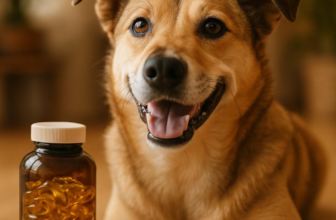
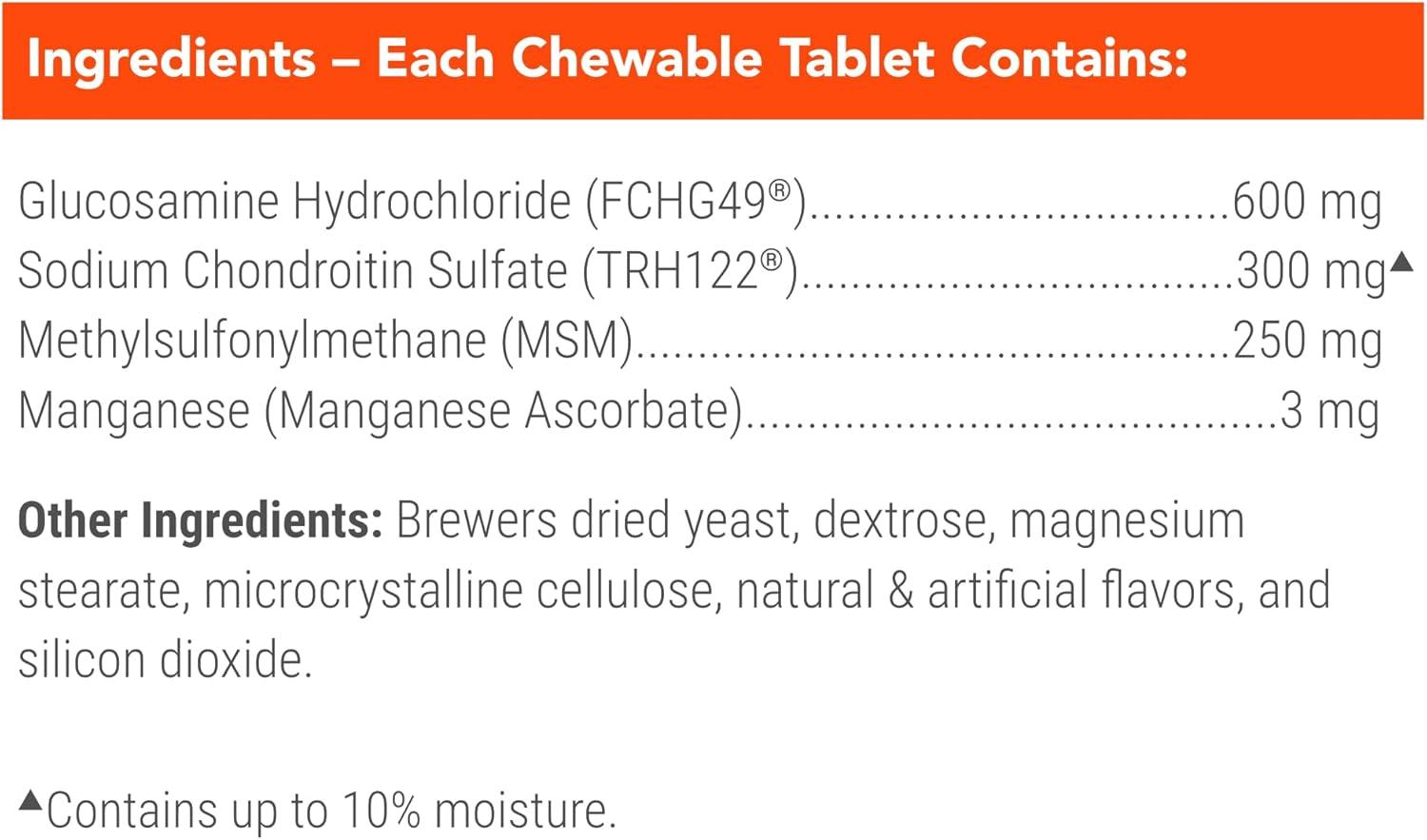
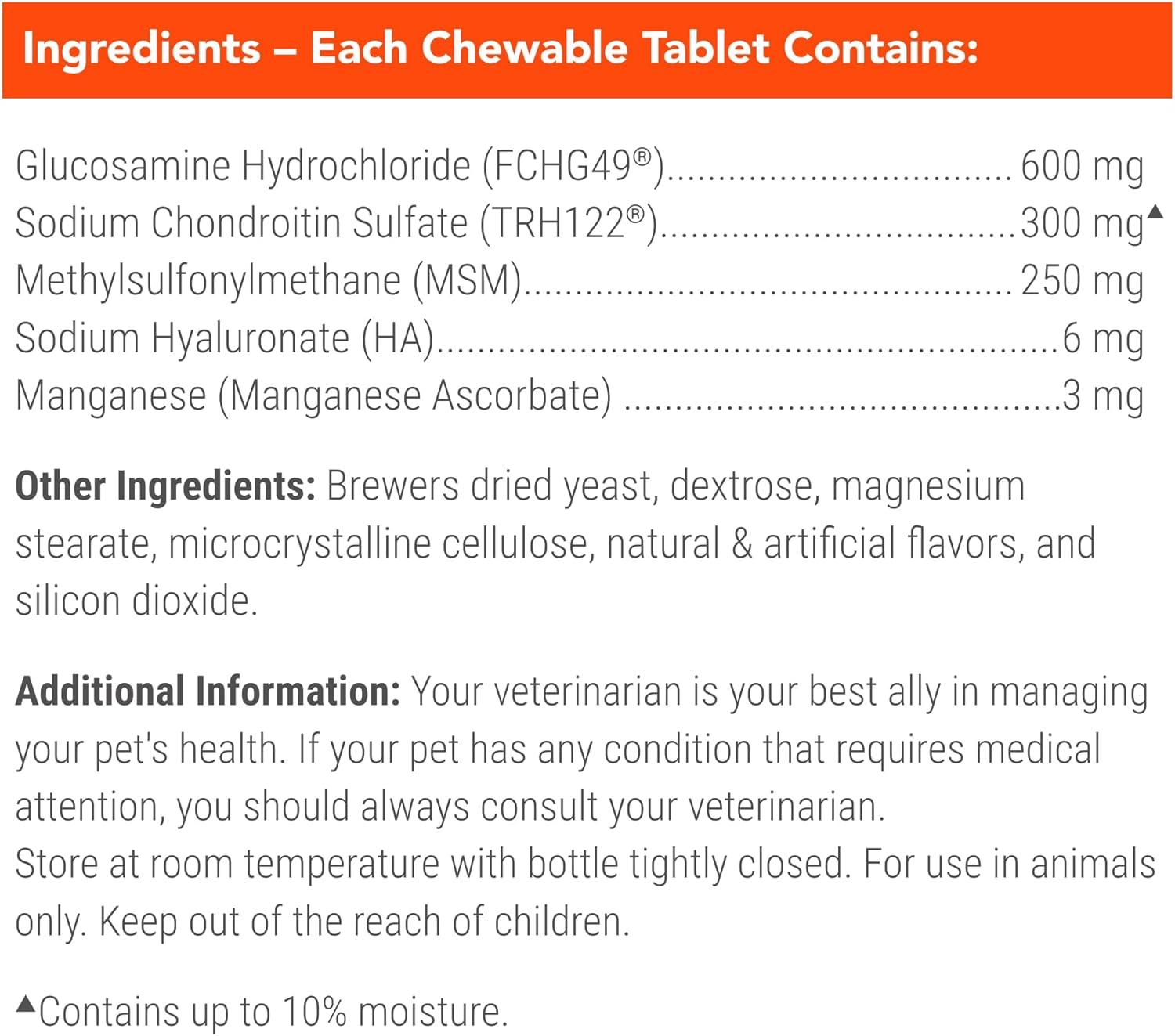
Joint supplements are commonly used to promote joint health and repair cartilage damage. Ingredients such as glucosamine, chondroitin, and MSM have shown promising results in supporting joint function and reducing pain. Omega-3 fatty acids are also beneficial thanks to their natural anti-inflammatory properties.
Our Top Product Recommendations

Physical Therapy and Alternative Treatments
Physical therapy can be a game-changer for dogs struggling with hip dysplasia. Techniques like hydrotherapy (swimming therapy), laser therapy, and controlled stretching exercises help increase joint mobility and reduce pain. Hydrotherapy, in particular, allows your dog to exercise muscles without placing undue stress on hips, facilitating muscle strengthening and improved joint function.
Acupuncture and massage therapy are also growing in popularity as complementary treatments.Acupuncture can promote pain relief and improve blood circulation, while regular massage can reduce muscle stiffness and encourage relaxation. Always consult your vet before starting any alternative therapy to ensure it’s safe and appropriate for your dog’s specific condition.
Additionally, consider using ramps or stairs to make it easier for your dog to get onto sofas or beds without jumping, which can further aggravate hip joints. Keeping your home dog-pleasant by minimizing slippery floor surfaces with rugs or mats can also prevent accidental falls or injury.
Frequently Asked Questions
what breeds are most commonly affected by hip dysplasia?
Large and giant breed dogs tend to be most prone to hip dysplasia. Breeds like German Shepherds,labrador Retrievers,Golden Retrievers,and Saint Bernards have a higher risk due to genetics and rapid growth rates.Though,hip dysplasia can affect any breed,including smaller dogs.
Can hip dysplasia be prevented in dogs?
While you cannot entirely prevent hip dysplasia if your dog is genetically predisposed, early preventive measures can reduce severity. These include feeding a balanced diet to avoid overnutrition,maintaining a healthy weight,and avoiding high-impact activities during puppyhood to promote proper joint development.
When should I consider surgery for my dog’s hip dysplasia?
Surgery is usually considered when conservative treatments no longer provide relief, and your dog exhibits significant pain or mobility issues. Your veterinarian will assess factors like age, weight, severity of joint damage, and overall health before recommending options such as total hip replacement or femoral head ostectomy.
Conclusion
Helping a dog with hip dysplasia requires a combination of attentive care,proper management,and ongoing support. Through weight control, gentle exercise, medical treatments, and physical therapy, you can greatly enhance your dog’s comfort and mobility. Always work closely with your veterinarian to create a personalized care plan tailored to your dog’s unique needs.
With patience and the right approach, dogs with hip dysplasia can lead happy, active lives despite their condition. Your love and commitment play a vital role in their journey toward pain relief and improved quality of life.