Introduction
Bathing your dog at home can be a rewarding experience, both for you and your furry friend. With the right approach, tools, and techniques, you can ensure your dog stays clean, healthy, and comfortable throughout the process. Bathing is not onyl about keeping your dog looking grate but also about maintaining good skin and coat health, preventing odor, and spotting any unusual signs early on.
This comprehensive guide will walk you through practical tips to bathe your dog effectively at home while reducing stress and ensuring a positive experience. whether you’re a first-time dog owner or an experienced one looking for fresh ideas, these handy tips will help you master the art of home dog baths.
Preparing for Your Dog’s Bath: Setting Up for Success
Before you even turn on the water, preparation is key to a smooth bath time. Gather all the essentials you’ll need in one place, such as dog shampoo, towels, a brush, and a non-slip mat. Having everything ready minimizes interruptions and helps keep your dog calm and comfortable. Additionally, choose a location suited for your dog’s size and temperament – a bathtub, shower, or even an outdoor hose station can work great depending on your environment.
It’s also critically important to consider water temperature; lukewarm water is ideal as water that’s too hot or cold can agitate your dog or cause discomfort. Calibration of water pressure is another element to keep in mind. A gentle stream or a handheld spray nozzle with adjustable pressure will make rinsing easier and less intimidating for your pet.
Step-by-Step Bathing Tips to Keep Your Dog Calm and Clean
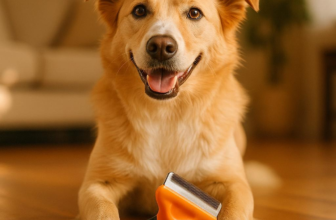
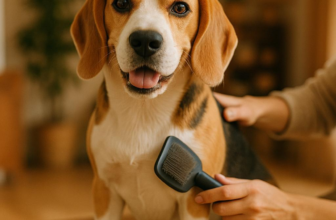
Once your bathing space is ready, it’s time to bring your dog in and start the process. Begin by brushing your dog’s coat to remove any loose hair, mats, or dirt. A clean,tangle-free coat ensures shampoo reaches the skin properly and makes rinsing more effective. Use calm, soothing words and praise throughout to make your dog feel safe.
Apply a dog-specific shampoo that suits your dog’s skin type and coat condition. human shampoos should be avoided as they can disrupt your dog’s natural skin balance. Work the shampoo gently into the coat, paying attention to areas like the neck, under the legs, and around the tail. Avoid the eyes and ears to prevent irritation.
Rinse thoroughly with lukewarm water until all shampoo residue is gone. Residue left in the fur can cause itching or flaking later. After rinsing, gently towel-dry your dog and, if your dog is comfortable, use a blow dryer on the lowest heat setting to speed drying. Offering treats and praise throughout makes each bath a more positive experience, reinforcing good behavior.
Our Top Product Recommendations


Post-Bath Care and Maintenance Tips
After the bath, your dog’s coat and skin will benefit from extra attention to keep them healthy. Use a soft towel to blot excess moisture and prevent the skin from becoming too dry or irritated. For dogs with longer coats, regular brushing after drying helps to keep hair tangle-free and promotes a healthy shine.
if your dog tolerates it, finishing with a pet-pleasant conditioner or coat spray can definitely help maintain coat softness and reduce static. Also, pay attention to your dog’s ears after bathing-they should be dried carefully to prevent infections. Never insert anything deep into the ear canal; rather,use a soft cloth or cotton ball to gently wipe the outer ear.
Establishing a consistent bathing schedule based on your dog’s breed, activity level, and skin condition helps keep odors and dirt at bay without over-washing, which can strip natural oils. For most dogs, a bath every 4-6 weeks is sufficient, but consult your veterinarian for personalized advice.
Frequently Asked Questions
How often should I bathe my dog at home?
The frequency depends on your dog’s breed, coat type, and lifestyle. Generally, bathing every 4-6 weeks is ideal for most dogs. However, dogs with oily coats or outdoor-active dogs may need more frequent baths, while breeds with dry or sensitive skin might require less.Always monitor your dog’s coat condition and consult your vet for specific recommendations.
What type of shampoo is best for my dog?
Use a shampoo specifically formulated for dogs, preferably one that matches their skin condition (normal, sensitive, dry, or itchy). Human shampoos can disrupt the pH balance of a dog’s skin and cause irritation. There are also shampoos available for special needs like flea control,hypoallergenic formulas,and moisturizing options. Choose a gentle, tear-free shampoo for a stress-free bath.
How can I keep my dog calm during bath time?
Preparation is key to reducing bath anxiety. Start by creating a calm environment with minimal distractions, use gentle and reassuring tones, and offer treats or toys as positive reinforcement. Dim lighting and comfortable water temperature also help. For anxious dogs, introducing baths gradually and using a non-slip mat to prevent slipping can ease tension. Consistency and patience make bath time less stressful over time.
Conclusion
Bathing your dog at home doesn’t have to be a stressful task. With thoughtful preparation, the right products, and a gentle approach, you can make bath time a positive bonding opportunity for you and your dog. Remember to maintain a regular bathing schedule that suits your dog’s needs and always prioritize their comfort and safety throughout the process.
By following these expert tips, you’ll keep your dog clean, happy, and healthy while enhancing your relationship. enjoy the quality time spent caring for your loyal companion with confidence and ease!