
Introduction
Many dog owners experience the challenge of dealing with a pet that whines at night. This common behavior can disrupt both your sleep and your furry friend’s well-being, making nights stressful for everyone involved.Understanding why your dog whines and learning how to address it compassionately can lead to a more peaceful bedtime routine and a happier dog.
In this thorough guide, we’ll explore effective strategies to stop your dog from whining at night, ensuring a calm surroundings that promotes restful sleep. whether your dog is new to your home or has recently started this behavior, these tips will help you create harmony during nighttime hours.
Identify the Causes of Nighttime Whining
Before you can effectively stop your dog from whining at night, it’s crucial to identify the root cause. Dogs usually whine to communicate discomfort, anxiety, loneliness, or even physical pain. Sometimes, whining occurs as the dog needs to go outside to relieve itself or feels too hot or cold. Observing your dog’s actions before and during the whining can provide valuable clues about what prompts this behavior.
Common causes include separation anxiety, especially if your dog is new to your home or not used to sleeping alone, lack of exercise or mental stimulation during the day, or changes in the household environment like new pets or family members. By pinpointing the cause, you can tailor your approach to meet your dog’s needs more effectively.
Establish a Consistent and comfortable bedtime Routine
Dogs thrive on routine and comfort, especially at night. Setting a consistent bedtime schedule can signal to your dog that it’s time to settle down and sleep. Aim for a calming hour before bed that includes quiet activities such as gentle petting, light play, or a short walk.This helps tire your dog physically and mentally,reducing restlessness that may lead to whining.
Creating a cozy sleeping space is equally important. Choose a quiet, draft-free area with a soft bed or blanket, familiar toys, or even an item with your scent to offer reassurance. Additionally,maintaining low lighting and minimizing loud noises around bedtime can further help your dog feel secure and relaxed throughout the night.

Our Top Product Recommendations
Train with Positive reinforcement and Address Anxieties
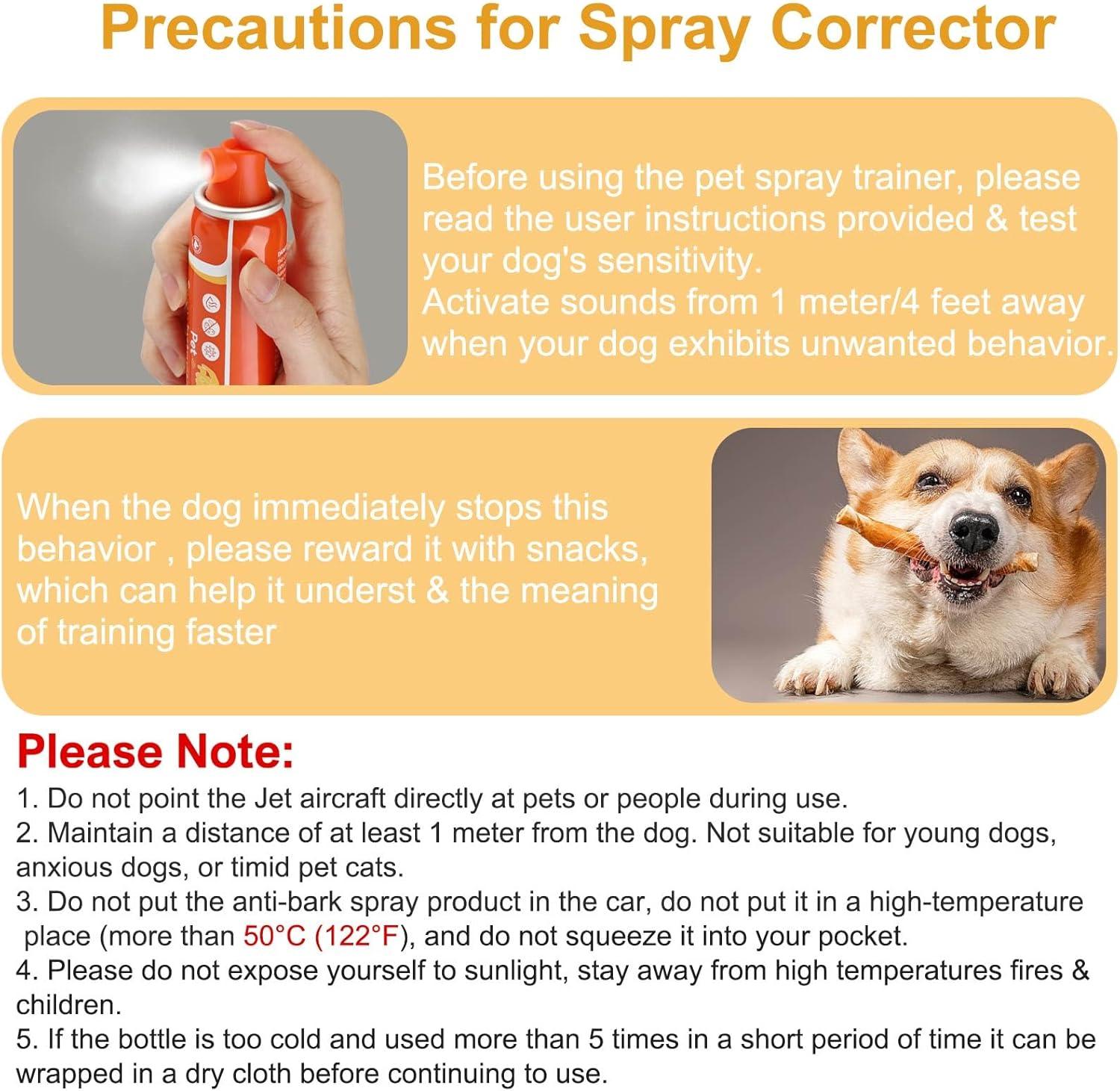
Positive reinforcement training is a highly effective way to reduce whining at night.Reward your dog when they remain calm and quiet during bedtime using treats, praise, or gentle petting. Consistency is key: avoid giving attention when your dog whines, as this may unintentionally reinforce the behavior.
If anxiety is the cause, consider integrating calming techniques into your routine. Techniques like using calming music designed for dogs, anxiety wraps, or pheromone diffusers may help reduce stress.For more severe separation anxiety, consult your veterinarian or a professional dog trainer for tailored behavior modification plans.
ensure your dog’s physical needs are met by providing ample exercise and mental stimulation during the day. This helps reduce pent-up energy and anxiety that can cause nighttime whining.
Frequently Asked Questions
Why does my dog whine only at night?
Your dog might whine at night due to loneliness, anxiety, or the need to go to the bathroom. Nighttime can be particularly stressful for dogs who are not used to sleeping alone or are adjusting to new environments. Ensuring they have a comfortable and secure sleeping area and a consistent routine can help alleviate this behavior.
Is it okay to comfort my dog when it whines at night?
While comforting your dog can seem like the natural response, it may sometimes reinforce whining if it becomes a way for your dog to get attention.Instead, wait for quiet moments to provide affection and use positive reinforcement when your dog remains calm to encourage good behavior.
When should I seek professional help for my dog’s whining?
If your dog’s whining is persistent, severe, or accompanied by other signs of distress such as aggression or destructive behavior, you should consult a veterinarian or an animal behaviorist.They can rule out medical issues and create a customized plan to address anxiety or other behavioral problems.
Conclusion
Stopping your dog from whining at night takes patience, consistency, and an understanding of their needs. by identifying the cause,establishing a comforting bedtime routine,and reinforcing calm behavior,you can create a peaceful environment that fosters restful sleep for you and your beloved pet.
Remember, every dog is unique, so it may take some trial and error to find the perfect solution. With love and persistence, nighttime whining will become a thing of the past, leading to happier nights for your whole family.